
Edmund II (Edmund Ironside) — King of England and Wessex (c. 989–1016)
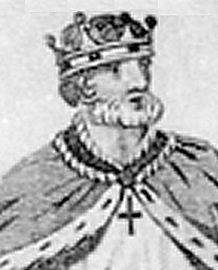
Edmund II "Ironside" (c.989–1016), son of Æthelred, led English resistance to the Danish invasion of 1016. His short reign included major battles with Cnut, a division of the kingdom, and an early, contested death.
Overview
Edmund II, commonly known by the epithet "Ironside," was an English prince and king who briefly held authority during a turbulent period of invasion and civil conflict. Born around 989, he was a son of King Æthelred. In 1016 he emerged as a principal military leader against the Danish claimant Cnut (Canute) and succeeded his father as ruler in the midst of warfare. His reign was short but notable for determined resistance to conquest and for the events that led to the transfer of power to Cnut.
Image gallery
8 Images


Reign and military campaigns
Edmund's rule coincided with renewed Danish efforts to control England after decades of conflict. He earned the name "Ironside" because later chroniclers emphasized his bravery and tenacity in battles fought against superior forces. The year 1016 saw several engagements between Edmund's forces and those of Cnut. The most decisive encounter was the Battle of Assandun (often dated 18 October 1016), where Edmund suffered a significant defeat. Despite setbacks, he continued to resist and succeeded in retaining control of Wessex for a short period.
Division of the kingdom and death
Following the setbacks of autumn 1016, Edmund and Cnut agreed to divide the kingdom: Cnut would take the northern and eastern territories while Edmund kept Wessex. This arrangement, however, lasted only weeks. Edmund died on 30 November 1016 at a young age. Contemporary and later sources differ about the cause; some accounts suggest illness while others imply foul play. Tradition states that he was buried at Glastonbury Abbey, though details are not definitively established.
Legacy and significance
Although his time as king was brief, Edmund II is remembered for his resistance to Danish domination and for a martial reputation that earned him the epithet "Ironside." The failure to preserve an independent Anglo-Saxon rulership after his death led to Cnut's consolidation of the monarchy and a longer period of Scandinavian rule. Historians view Edmund as a symbol of the Anglo-Saxon attempt to defend native kingship against external conquest.
Notable facts and context
- Parentage: Son of King Æthelred; his maternal lineage is less certain in the sources.
- Key battle: Battle of Assandun, 18 October 1016, pivotal in the struggle with Cnut.
- Division agreement: After military losses, the kingdom was temporarily divided between Edmund and Cnut.
- Death and succession: Died 30 November 1016; Cnut emerged as ruler of all England thereafter.
- Further reading: For more on this period of English history see England in the early 11th century.
Edmund's story illustrates the fragility of kingship in an age of raids and dynastic struggle. His brief stand against a powerful invader has ensured a lasting place for him in English historical memory, where he is often remembered more for courage and resistance than for administrative achievements.
Related articles
Author
AlegsaOnline.com Edmund II (Edmund Ironside) — King of England and Wessex (c. 989–1016) Leandro Alegsa
URL: https://en.alegsaonline.com/art/118102