
Edwin Atherstone (1788–1872) — English poet and playwright
19th‑century English poet, dramatist and novelist best known for the long epic poem The Fall of Nineveh; remembered for grand historical themes, blank‑verse narrative and Victorian interest in the ancient Near East.
Overview
Edwin Atherstone (1788–1872) was an English poet, playwright and novelist who worked in the grand manner of nineteenth‑century narrative poetry. He is chiefly remembered for a lengthy epic about the destruction of an ancient empire, and for writing in a style that sought to combine sweeping historical subject matter with high rhetorical energy. Atherstone belonged to the generation after the Romantic poets and wrote during a period when Victorian readers were fascinated by ancient history and exotic landscapes.
Image gallery
2 Images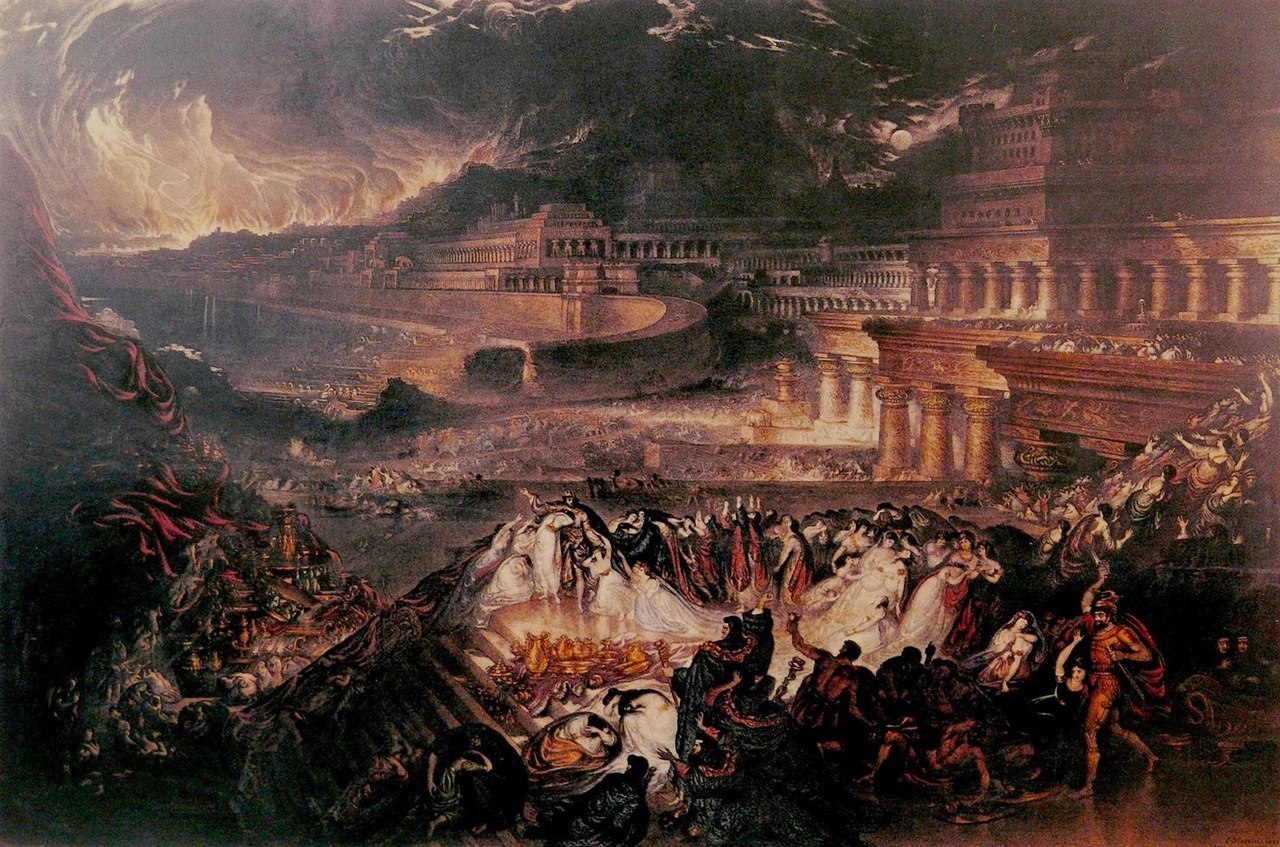

Major works and forms
Atherstone produced poetry, drama and prose, but his reputation rests primarily on one extended poem. That long narrative—presented in a traditional epic form and largely written in blank verse—treats the fall of an Assyrian capital and explores the human and divine causes of catastrophe. Beyond this central work he published shorter poems and dramatic pieces that followed similar historical and moral concerns.
Themes and style
Common features of Atherstone's writing include a passion for moral and political questions, vivid battle scenes, and a rhetorical voice that favoured lofty diction and measured cadences. He drew on biblical and classical accounts of ancient Near Eastern history, reflecting the nineteenth‑century interest in archaeology and oriental antiquity. His verse aims for a panoramic view of events, alternating description of massed armies and intimate reflections on fate, guilt and retribution.
Reception and historical context
During his life Atherstone found readers among those who appreciated ambitious narrative poetry, but his work was eventually eclipsed by other Victorian writers and by changing literary tastes. The epic's great length and solemn tone made it less appealing to later audiences as attention shifted toward different poetic experiments. In modern times Atherstone is treated mainly as a figure of literary history—useful for understanding nineteenth‑century poetic ambitions, Victorian attitudes toward antiquity, and the persistence of the epic impulse in an era of dramatic social change.
Notable facts
- Atherstone wrote across multiple genres: long narrative poetry, shorter lyrics and stage pieces.
- His best‑known poem interprets the fall of an ancient city through a combination of historical imagination and moral commentary.
- He exemplifies the nineteenth‑century fusion of antiquarian interest and poetic grandiosity typical of some Victorian epics.
While not a central figure in contemporary surveys of English literature, Edwin Atherstone remains of interest to readers and scholars examining the aftermath of Romanticism, the persistence of classical and biblical subjects in Victorian letters, and the ways poets of the period attempted to represent vast historical events in verse.
Related articles
Author
AlegsaOnline.com Edwin Atherstone (1788–1872) — English poet and playwright Leandro Alegsa
URL: https://en.alegsaonline.com/art/30312