
Canute (Cnut the Great): Viking ruler of England, Denmark and Norway
Overview of Canute (c.995–1035), the North Sea ruler who united England, Denmark and Norway, his reign, administration, foreign relations, cultural impact and legacy.
Overview
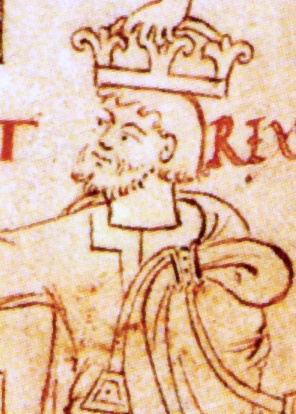
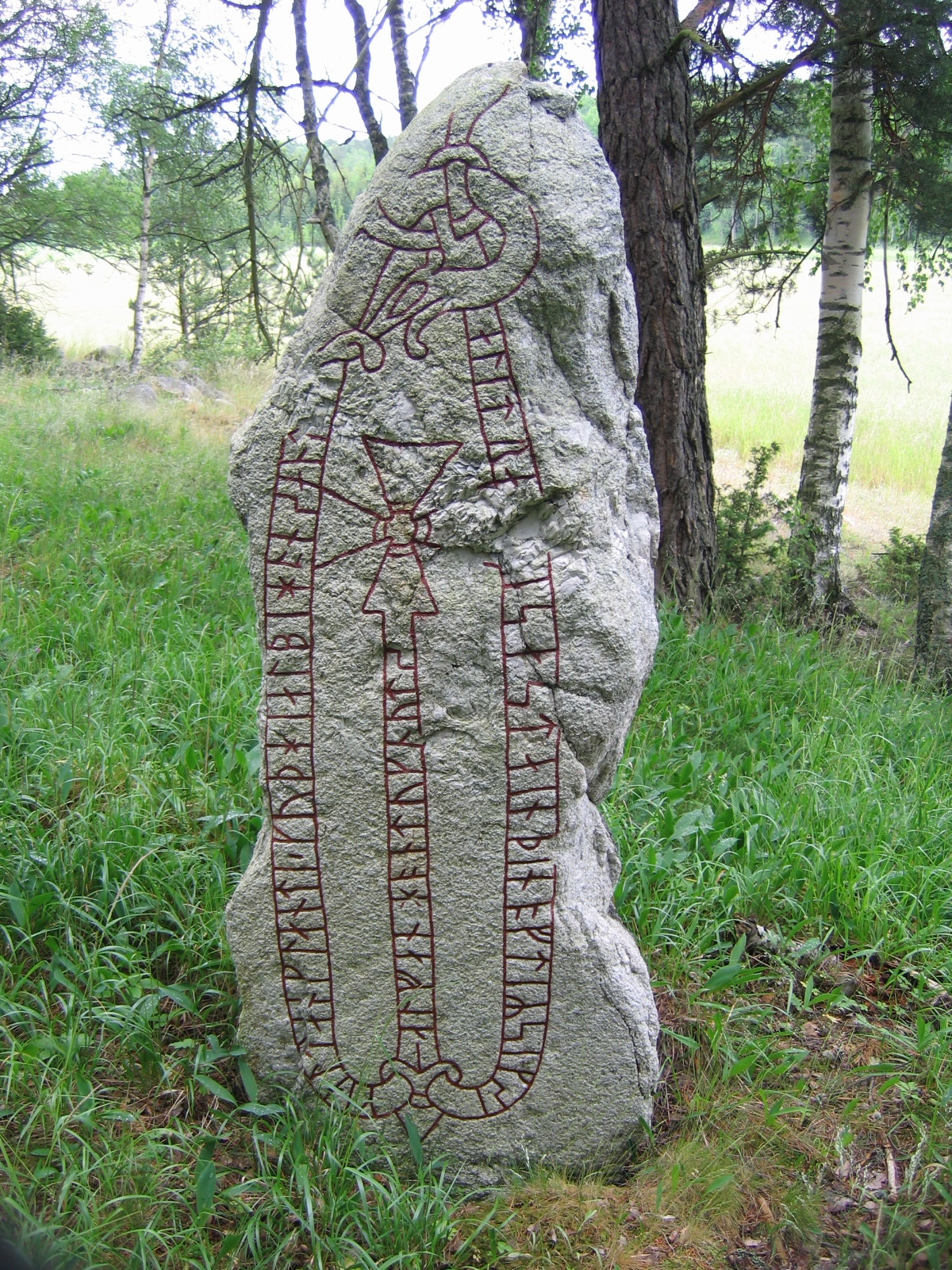
Canute (also spelled Cnut; c. 995 – 12 November 1035) was a Scandinavian king who, at the height of his power, ruled England, Denmark and Norway and held influence over parts of Sweden and the southern Baltic coast. He is remembered both as a capable ruler who consolidated power across the North Sea and as the subject of later legends that emphasize royal authority and piety. His reign marked the high point of Danish influence in northwestern Europe.
Image gallery
10 Images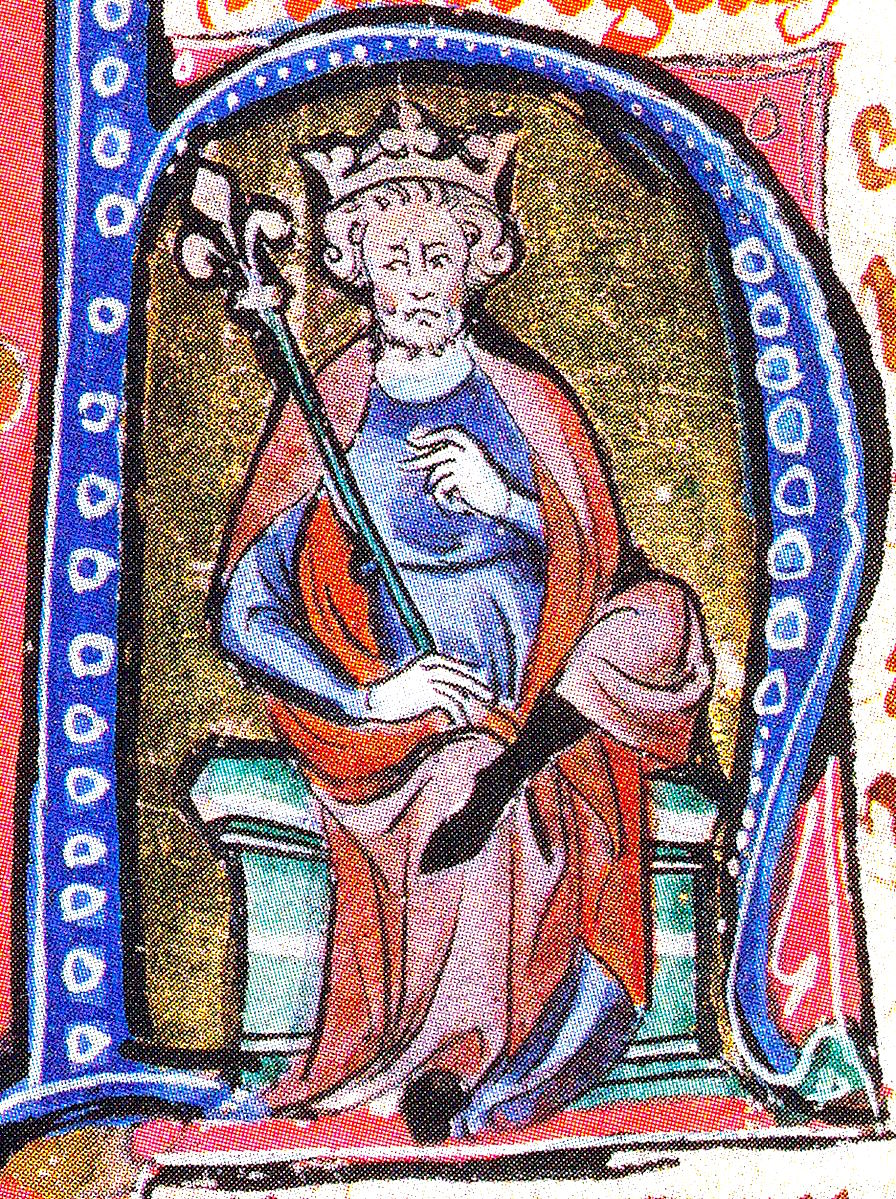





Origins and rise to power
Born into the Danish royal dynasty, Canute built his position through Viking expeditions and alliances before turning to conquest and diplomacy. In England he asserted control after a series of campaigns that culminated in a decisive victory in 1016; subsequently he was acknowledged as king by many of the English nobility. He expanded and stabilized his realm by linking the crowns of England, Denmark and Norway, and by exerting influence in parts of Sweden and along the coasts around the North Sea. He also held authority in border regions such as Schleswig and coastal territories like Pomerania.
Government, law and administration
Canute combined Viking leadership with Anglo-Saxon institutions. He retained many English advisers and local officials, reissued coinage to foster trade, and sought to maintain order through local law and royal writs. His court balanced martial power with administrative continuity, aiming to integrate diverse populations under a common crown.
Religion and foreign relations
Unlike some conquerors, Canute cultivated good relations with the church and with continental rulers. He negotiated treaties and maintained diplomacy with Holy Roman emperors such as Henry II and Conrad II, while keeping amicable ties to the papacy (the popes) to strengthen his legitimacy. These contacts helped secure peaceful borders and recognition of his kingship.
Legacy and notable facts
Canute's legacy includes increased North Sea connectivity, a reputation for fair rule, and cultural exchange across his realms. He is often called the only ruler to have been king of England, Denmark and Norway simultaneously. Famous anecdotes, such as the story of him and the tide, serve as parables about the limits of royal power rather than historical reportage. His death in 1035 led to succession disputes that eventually reduced Danish power in England.
- Key events: accession in England (1016), consolidation of Scandinavian crowns, diplomatic treaties with emperors and the papacy.
- Notable traits: combined military strength with administrative continuity and ecclesiastical patronage.
- Aftermath: his empire fragmented after his death, but his rule left lasting impact on coinage, law and cross-Channel ties.
For further reading on regional politics and specific treaties, see contemporary chronicles and modern histories that examine his relationships with continental powers such as Conrad II and other rulers of the period (papal correspondence and diplomatic records).
Scholars continue to study how Canute's combination of force, diplomacy and church support created a short-lived but influential North Sea realm.
Questions and answers
Q: Who was Canute?
A: Canute, or Cnut the Great, was a Viking king who ruled over England, Denmark, Norway, part of Sweden, and was the governor or overlord of Schleswig and Pomerania.
Q: How influential was Canute during his time?
A: Danish influence in the North Sea region was never greater than during Canute's time. He had treaties with the Holy Roman Emperors, Henry II and Conrad II, and good relations with the popes of his time.
Q: What was unique about Canute's rule?
A: Canute was the only man to be King of England, Denmark, and Norway. He also ruled part of Sweden.
Q: What territories did Canute rule over?
A: Canute ruled over England, Denmark, Norway, part of Sweden, and was the governor or overlord of Schleswig and Pomerania.
Q: Did Canute have good relationships with other rulers of his time?
A: Yes, Canute had treaties with the Holy Roman Emperors Henry II and Conrad II and good relations with the popes of his time.
Q: When did Canute live?
A: Canute lived around the year 995-1035.
Q: How did Canute's reign impact Danish influence in the North Sea region?
A: Canute's reign saw a peak in Danish influence in the North Sea region, making it a significant period in the region's history.
Related articles
Author
AlegsaOnline.com Canute (Cnut the Great): Viking ruler of England, Denmark and Norway Leandro Alegsa
URL: https://en.alegsaonline.com/art/115886