
Edward Stratemeyer and the Stratemeyer Syndicate
Edward L. Stratemeyer (1862–1930), American creator of mass-market children's series who founded the Stratemeyer Syndicate and developed a system of outlined, ghostwritten books.
Overview
Edward L. Stratemeyer (October 4, 1862 – May 10, 1930) was an American publisher and prolific creator of popular children's fiction. He conceived numerous long-running series that shaped juvenile reading in the United States and abroad. For a compact introduction to his life and career see this biography.
Image gallery
3 Images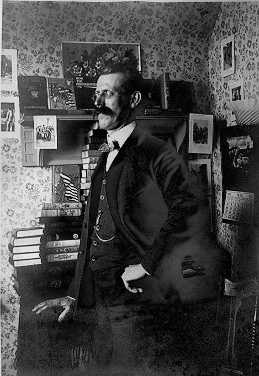
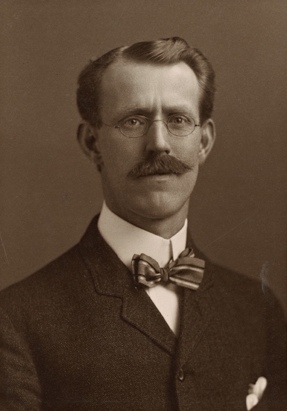

The Stratemeyer Syndicate
In 1905 Stratemeyer organized what became known as the Stratemeyer Syndicate, a small publishing enterprise that produced a steady flow of series books. The Syndicate acted as a clearinghouse for ideas, outlines, and editorial direction while contracting freelance writers to produce individual volumes under collective pen names.
Notable series and house names
Stratemeyer originated or commissioned many well-known series that aimed at young readers. Among them are:
- The Rover Boys
- The Bobbsey Twins
- Tom Swift
- The Hardy Boys (published under the pseudonym Franklin W. Dixon)
- Nancy Drew (published under the pseudonym Carolyn Keene)
Writing method and business model
Stratemeyer's approach combined careful planning with efficient production. The Syndicate provided detailed outlines and strict editorial guidelines that produced consistent pacing and tone across titles. Writers were usually paid per book and worked anonymously; the visible author names were often house pseudonyms owned by the Syndicate. This model allowed rapid output and regular releases that kept young readers engaged.
Reception and influence
Stratemeyer's series had a profound effect on commercial children's publishing. They popularized the multi-volume series format, encouraged serialized reading habits, and helped publishers and libraries market to young audiences. Critics have noted the formulaic plots, occasional stereotypes, and repetitive character types, while scholars recognize the Syndicate's role in creating a mass market for juvenile fiction.
Later developments and legacy
After Stratemeyer's death, his daughters — most notably Harriet Stratemeyer Adams — continued the Syndicate's work, revising older titles and commissioning new ones. Many of the series have been updated, reissued, or adapted in film, television, and other media. The business model Stratemeyer developed remains a reference point in discussions of authorship, ghostwriting, and franchise publishing.
Related articles
Author
AlegsaOnline.com Edward Stratemeyer and the Stratemeyer Syndicate Leandro Alegsa
URL: https://en.alegsaonline.com/art/30290