
Nancy Drew (fictional amateur detective)
Nancy Drew is a long-running fictional teen sleuth who debuted in the early 20th century; created by the Stratemeyer Syndicate and written under the Carolyn Keene pseudonym.
Nancy Drew is a fictional teenage detective who has been the central figure of a long-running mystery series aimed primarily at young readers. Presented as intelligent, resourceful, and independent, Nancy became a model of a capable female protagonist at a time when such characters were uncommon in popular juvenile fiction. Stories about her combine puzzle-like plots, investigative detail, and a focus on personal bravery and observation.
Image gallery
6 Images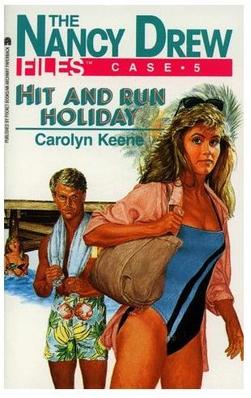


Characteristics and setting
Nancy is traditionally portrayed as an attractive, brave, and curious eighteen-year-old from the fictional town of River Heights. She lives with her lawyer father, Carson Drew, and their housekeeper Hannah Gruen, who acts as a maternal figure after the early death of Nancy's mother. Nancy uses deductive reasoning, disguises, and an extensive network of local contacts to solve crimes that range from thefts and disappearances to more elaborate conspiracies. Across many editions she befriends recurring allies who assist or accompany her investigations.
Characters and supporting cast
- Carson Drew — Nancy's father, a practicing attorney who provides occasional legal insight and support.
- Hannah Gruen — the family housekeeper and steady emotional presence in Nancy's life.
- Bess Marvin — one of Nancy's close friends, often depicted as sociable and cautious.
- George Fayne — Bess's cousin, typically more athletic and pragmatic.
- Ned Nickerson — a recurring romantic interest introduced later in the early series; he appears frequently in subsequent adaptations.
- Helen Corning — an early friend who appears in the opening volumes of the series.
History and authorship
The character was developed as part of a juvenile-book production system run by the Stratemeyer Syndicate. Though the books were first published in the early 20th century — often dated to the 1930s era in popular accounts — they were produced under the guidance of Edward Stratemeyer, the founder of the Syndicate and the creative force behind many youth series. The stories have always been published under the collective pseudonym "Carolyn Keene." Early volumes were written by writers such as Mildred A. Wirt Benson, and later revised and edited by Harriet Adams, Edward Stratemeyer's daughter, who shaped much of the series' direction. For more on the syndicate model and its founder see Edward Stratemeyer and the Stratemeyer Syndicate.
Revision, editions, and adaptations
Over decades the Nancy Drew books were edited to reflect changing social norms and publishing practices: language was modernized, pacing tightened, and some earlier cultural portrayals were altered or removed. The franchise expanded beyond books into films, television, stage plays, and licensed video games, bringing Nancy to new audiences and formats. Interactive mystery games in particular have interpreted her as both a classic and contemporary sleuth, while screen adaptations have varied in tone from faithful to broadly reimagined.
Legacy and cultural importance
Nancy Drew is widely cited as an influential figure in juvenile literature for empowering young female readers and popularizing the amateur-detective subgenre. The series raised questions about collaborative authorship, the use of house pseudonyms, and how long-running characters are updated for new generations. Nancy’s enduring appeal lies in the combination of a recognizable character template, episodic mysteries, and adaptability across media. Her role in inspiring curiosity, independence, and critical thinking in readers is a frequent theme in discussions of the series’ cultural impact.
Questions and answers
Q: Who is Nancy Drew?
A: Nancy Drew is a fictional character who is the main character in a series of chapter books called Nancy Drew Mystery Stories.
Q: Who wrote the Nancy Drew Mystery Stories?
A: Edward Stratemeyer, founder of the Stratemeyer Syndicate, created the Nancy Drew Mystery Stories. The first writings in the series were by Mildred A. Wirt Benson, and later edited by Harriet Adams, Edward's daughter.
Q: When was Nancy Drew born?
A: Nancy Drew's birth year is 1914.
Q: How old is Nancy Drew in the books?
A: Nancy Drew is 18 years old in the books.
Q: Who are Nancy Drew's close friends?
A: Nancy Drew has a few close friends that appear in the book series and some of them in the computer games. When the book series first begins, Nancy's best friend is Helen Corning, who is a few years older than Nancy. A few books later, some new friends are introduced. Nancy's two best friends in the later books are Bess Marvin and George Fayne, the latter two being cousins.
Q: Who is Nancy Drew's boyfriend?
A: Ned Nickerson is Nancy Drew's boyfriend, who first appears in the book, The Clue in the Diary.
Q: Who is Hannah Gruen?
A: Hannah Gruen is the housekeeper of Nancy Drew's home in the fictional River Heights. She has acted like a mother to Nancy ever since Nancy's mother passed away when she was three years old.
Related articles
Author
AlegsaOnline.com Nancy Drew (fictional amateur detective) Leandro Alegsa
URL: https://en.alegsaonline.com/art/68224