
Eduard Strasburger (1844–1912): Pioneer of Plant Cytology
Overview of Eduard Strasburger, his life, major contributions to plant cell biology and botany, academic career, legacy, and key achievements.
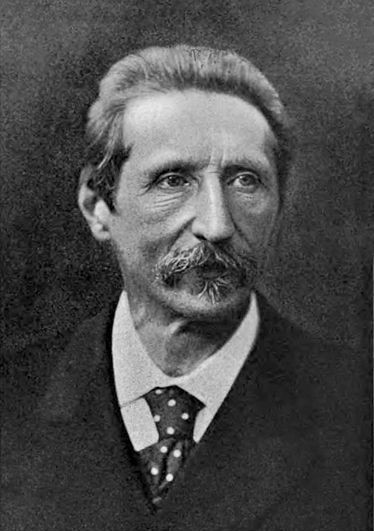
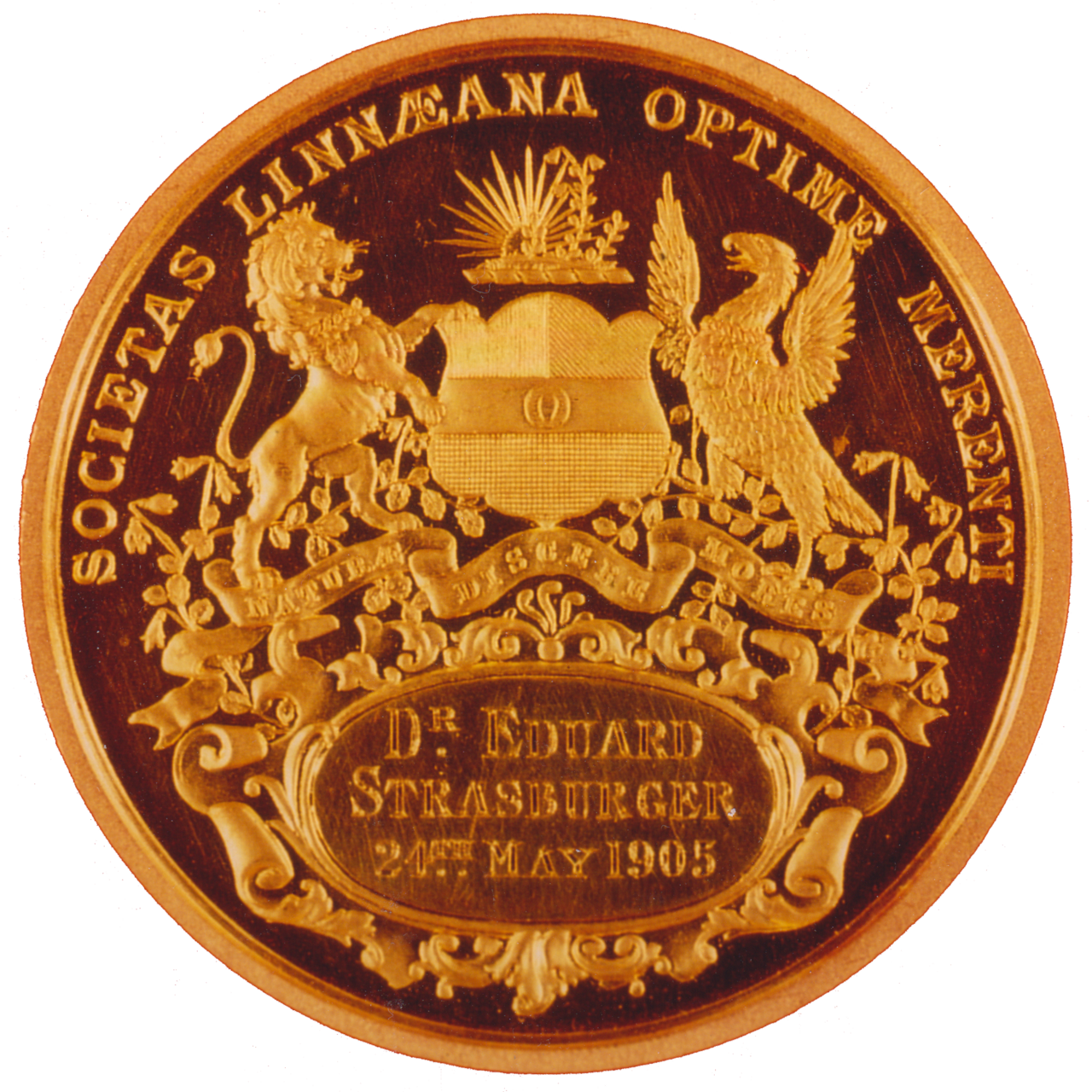
Eduard Adolf Strasburger (born 1 February 1844 in Warsaw — died 19 May 1912 in Bonn) was a noted 19th‑century German professor and one of the era's most influential botanists. His work helped transform botany from a largely descriptive discipline into a rigorous field grounded in cell biology and microscopy. Strasburger combined careful observation, improved laboratory technique and clear synthesis in teaching and writing.
Image gallery
6 Images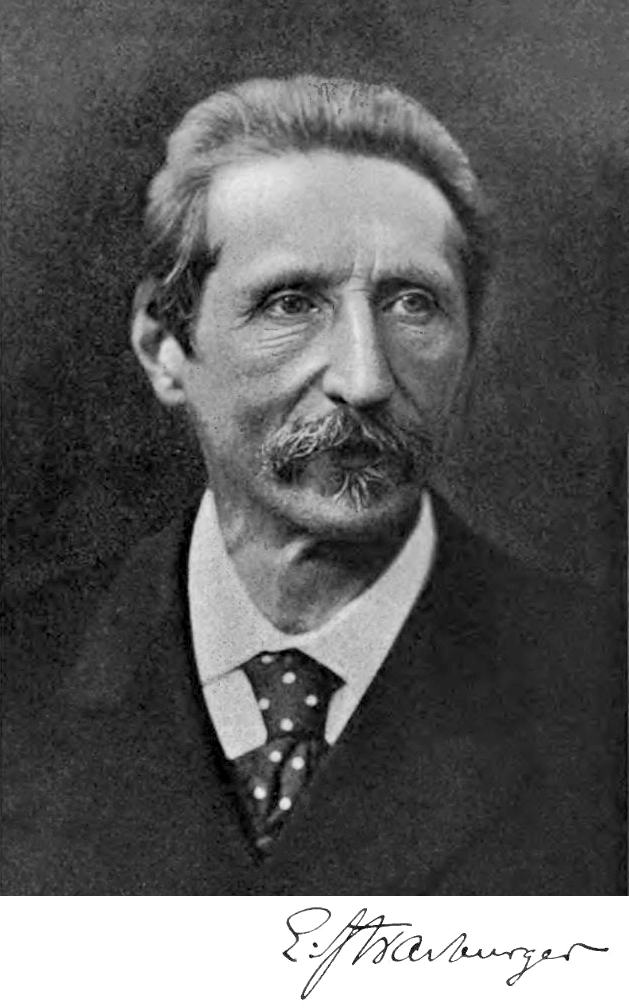



Major contributions
Strasburger is best known for his pioneering research into plant cells and their division. He provided detailed descriptions of nuclear behavior and chromosome movement during cell division in plants, clarified the role of the nucleus in growth and heredity, and advanced understanding of plant embryology. He also emphasized methodological improvements—microscopy, sectioning and staining—that made consistent cytological observations possible.
- Detailed analysis of mitosis and chromosome behavior in plant cells.
- Clarification of the nucleus's central role in cell division and development.
- Influential textbook and teaching that standardized botanical instruction.
Strasburger held several academic posts during his career. In 1868 he taught at the University of Warsaw, and in 1869 he was appointed professor of botany at the University of Jena. After 1881 he became head of the Botanisches Institut at the University of Bonn, where he led research and trained a generation of botanists who carried cytological methods into wider use.
Beyond specific discoveries, Strasburger's legacy rests on how he connected plant morphology to the emerging science of the cell. His clear, methodical approach influenced both laboratory practice and botanical education: his textbook material and laboratory standards were widely adopted and shaped curricula in European universities. Contemporary cell and developmental biologists still recognize his role in laying foundations for modern plant cytology.
Notable aspects of Strasburger's career include his emphasis on reproducible technique and his role in institutional development. By combining teaching, careful experimental work and synthesis in print, he helped shift botanical research toward microscopic and experimental investigation. His name endures in the historical literature on cytology and in references to classical botanical education.
Questions and answers
Q: Who was Eduard Strasburger?
A: Eduard Strasburger was a German professor and botanist of the 19th century.
Q: When and where was Eduard Strasburger born?
A: Eduard Strasburger was born on February 1, 1844 in Warsaw.
Q: Where did Eduard Strasburger teach in 1868?
A: Eduard Strasburger taught at the University of Warsaw in 1868.
Q: When was Eduard Strasburger appointed professor of botany at the University of Jena?
A: Eduard Strasburger was appointed professor of botany at the University of Jena in 1869.
Q: What position did Eduard Strasburger hold after 1881?
A: After 1881, Eduard Strasburger was head of the Botanisches Institut at the University of Bonn.
Q: What was Eduard Strasburger primarily known for?
A: Eduard Strasburger was primarily known for his work as a botanist.
Q: When did Eduard Strasburger pass away?
A: Eduard Strasburger passed away on May 19, 1912 in Bonn.
Related articles
Author
AlegsaOnline.com Eduard Strasburger (1844–1912): Pioneer of Plant Cytology Leandro Alegsa
URL: https://en.alegsaonline.com/art/30221
Sources
- britannica.com : "Strasburger, Eduard Adolf"