
Eduardo Fajardo: Spanish character actor of film and television
Biography of Eduardo Martínez Fajardo (1924–2019), a prolific Spanish actor noted for roles in westerns and European genre cinema, with a career spanning 1947–2002.
Eduardo Martínez Fajardo (14 August 1924 – 4 July 2019) was a Spanish actor whose career stretched across more than five decades and more than 160 films. He worked in a wide range of European productions, becoming especially well known for parts in westerns and other popular genre pictures. Among titles frequently associated with him are Django and 7th Cavalry.
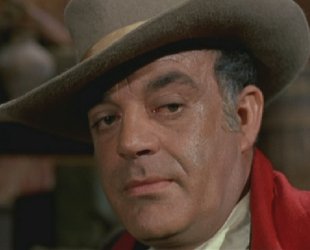
Image gallery
2 Images

Early life and beginnings
Fajardo was born in the town of Meis in the province of Pontevedra, in Galicia, Spain. He entered the performing arts during the mid-20th century, moving from stage work into film as the Spanish and wider European film industries expanded after World War II. His screen debut came in the late 1940s and he steadily built a reputation as a reliable supporting actor.
Career and screen persona
Across the 1950s through the 1970s Fajardo appeared in an unusually large number of co-productions between Spain, Italy and other European countries. He was frequently cast as antagonists, military officers, or other authoritative figures, a niche that made him a familiar face in Spaghetti Westerns and crime or adventure films. Directors and casting agents valued him for a commanding presence, clear diction and the versatility to perform in different languages or dubbed tracks.
Selected film contexts and roles
- Django — one of the era's best-known westerns with a memorable ensemble cast.
- 7th Cavalry — another film often cited when discussing his genre work.
- Numerous European genre pictures — including westerns, thrillers and historical adventures — across the 1950s–1970s.
Legacy and later life
Fajardo's long career made him a fixture of mid-20th century Spanish and European popular cinema. As a character actor he contributed to the international appeal of genre films produced during that period and remained active on screen through the early 2000s, with his final credited appearances around 2002. Colleagues remember him for professional reliability and a distinctive on-screen intensity.
Eduardo Fajardo died on 4 July 2019 while on a trip to Mexico City, at the age of 94. His body of work is still consulted by film historians and fans of classic European genre cinema as an example of the productive cross-border collaborations that defined postwar film production.
Related articles
Author
AlegsaOnline.com Eduardo Fajardo: Spanish character actor of film and television Leandro Alegsa
URL: https://en.alegsaonline.com/art/30229
Sources
- farodevigo.es : "Eduardo Fajardo, un cowboy de O Mosteiro"
- noticiasdealmeria.com : "Eduardo Fajardo: "Hoy me despido de lo que más quiero en la vida, mi profesion""
- novaciencia.es : "Eduardo Fajardo ya tiene su propia estrella en el 'paseo de la fama' de Almería"
- diariodesevilla.es : Fallece el actor Eduardo Fajardo a los 94 años
- lavozdealmeria.com : Adiós a Eduardo Fajardo, el villano que quiso ser galán