
Alsace–Lorraine: the Imperial Territory between France and Germany
Overview of the Imperial Territory of Alsace–Lorraine: its creation in 1871, changing administrations, cultural mix, legal distinctiveness, and return to France after 1918 and 1945.
The Imperial Territory commonly known in German as Reichsland Elsaß-Lothringen and in French as the Terre d'Empire d'Alsace-Lorraine was established in the wake of the Franco-Prussian War. Created by the German Empire in 1871, it comprised almost all of the French region of Alsace together with parts of Lorraine, forming an entity that was directly administered as an imperial possession rather than as a federated state or department. The designation of the area as a distinct territory reflected its strategic importance and its mixed cultural character.
Image gallery
10 Images
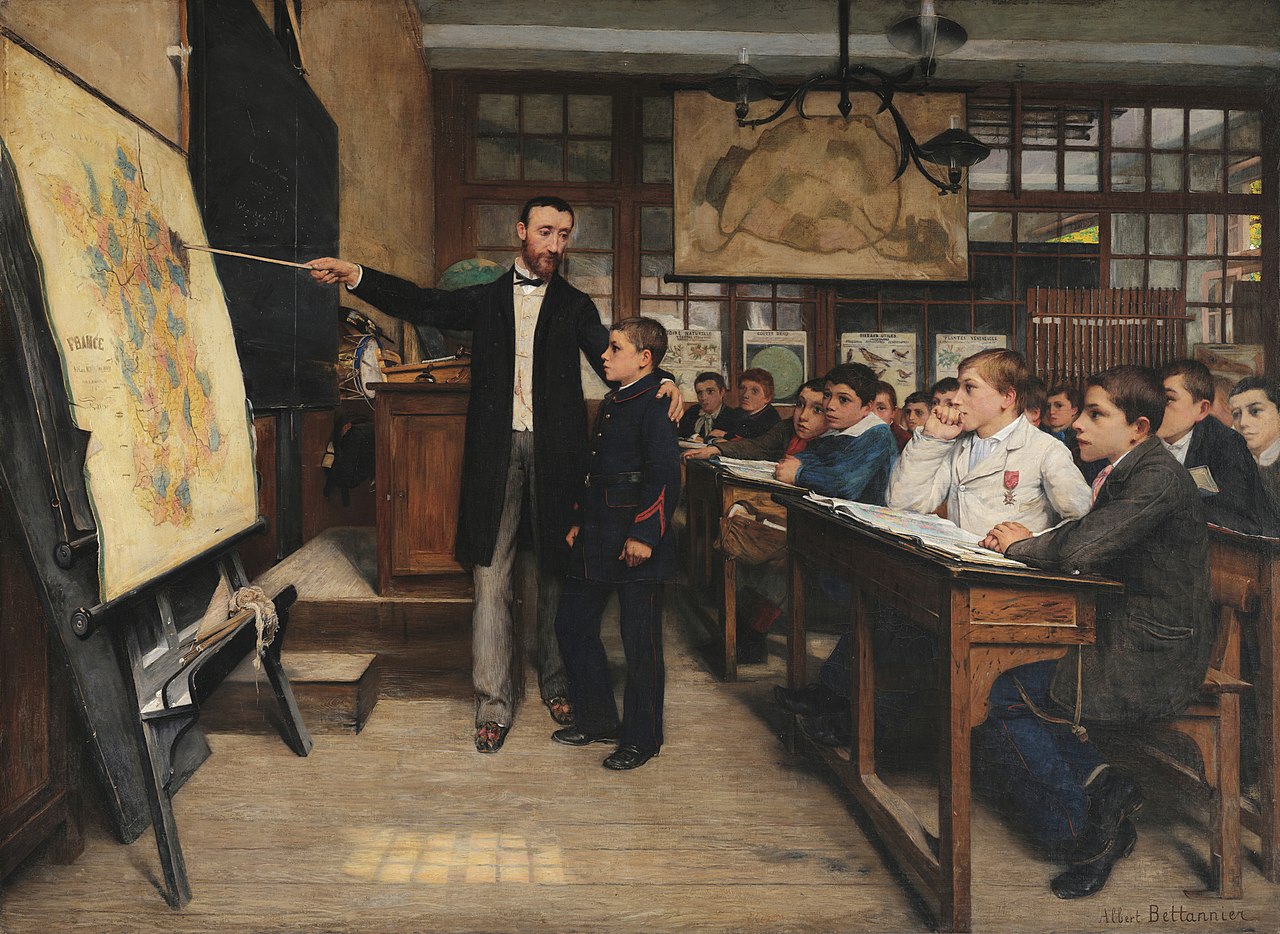


Geography and economy
Alsace–Lorraine occupied a corridor along the border between France and Germany, including river valleys, farming plains, wine-producing areas and mineral-rich districts. Agriculture, viticulture and local crafts remained important alongside growing industrial activity, notably in parts of Lorraine where coal and iron resources supported heavy industry. The territory's towns and transport links made it a focus for economic modernization under both French and German administrations.
Population, language and culture
The population consisted of communities speaking regional German dialects (such as Alsatian and Lorraine Franconian), French and bilingual varieties. Local customs, cuisine and architecture show a blend of influences, and cultural institutions were shaped by alternating policies of assimilation and accommodation. Religious practice and education were prominent arenas where French and German authorities sought to shape local identity.
Administration and law
Unlike the constituent states of the German Empire, Alsace–Lorraine was governed as an imperial territory with administrators appointed from Berlin and later with evolving local institutions. After reversion to France in 1918 and confirmation by the Treaty of Versailles in 1919, the departments were integrated into the French Republic. Certain legal particularities persisted in parts of the area—often summed up as special local law—which include arrangements on religious institutions and social provisions that differ from national French legislation.
Modern history and legacy
- 1871: Annexation by Germany following the Franco-Prussian War and formation of the imperial territory under the German Empire.
- 1918–1919: Return to France after World War I and formal transfer under the Treaty of Versailles.
- 1940–1945: Occupation and de facto incorporation by Nazi Germany during World War II, followed by liberation and restoration to France in 1945.
- Post‑war: Departments fully integrated into France and, in 2016, placed within the administrative region Grand Est.
Historical significance
Alsace–Lorraine became a symbol of the rivalry and eventual reconciliation between France and Germany. Its experience illustrates how borders and sovereignty affect language, law, memory and daily life. Towns such as Strasbourg and Metz served as cultural and administrative centres contested by both nations, and the region's history influenced post-war cooperation and the broader European project aimed at reducing the chance of renewed conflict.
Further resources
For specific documentary sources and archival holdings consult national and regional archives, local studies and published collections. Useful starting points include official place names and historical overviews in German and French, legal studies of the local law regime and works on social and economic change in the borderlands. See also summaries in contemporary reference works and specialist regional histories for more detail on institutions and cultural life under alternating administrations. Additional institutional and archival references are often listed with regional libraries and museums; for bilingual and comparative perspectives consult publications in both French and German.
Readers seeking primary documents may consult collections of treaties and diplomatic correspondence, contemporary administrative records and demographic studies. The territory's complicated past is reflected in legislative texts, municipal archives and cultural records that document how populations adapted to changing rule and how local identity evolved within a broader European context. For general introductions and online summaries, look for entries that cover the de facto occupations, the legal transitions and the long-term cultural legacy of the region; historical atlases and maps also help to visualise the territorial changes described above. Further institutional summaries and official modern descriptions are available through regional portals and scholarly guides to the area (regional overview).
Tags
Related articles
Author
AlegsaOnline.com Alsace–Lorraine: the Imperial Territory between France and Germany Leandro Alegsa
URL: https://en.alegsaonline.com/art/3002