
Einsteinium (Es): synthetic actinide element, atomic number 99
Einsteinium (Es, Z=99) is a synthetic, highly radioactive actinide first identified in 1952. Produced in minute quantities, it is used for basic research on heavy-element chemistry and nuclear reactions.
Overview
Einsteinium is a synthetic chemical element with the symbol Es and atomic number 99. It is a member of the actinide series, the row of heavy f-block elements often characterized by strong radioactivity and complex electron behavior; see the actinides for context. All known isotopes of einsteinium are radioactive; for tables and decay data consult dedicated isotope compilations and summaries. The element was named in honor of the physicist Albert Einstein.
Image gallery
10 Images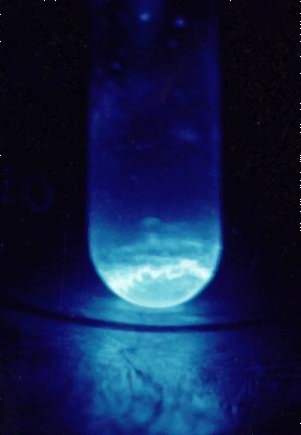





History and discovery
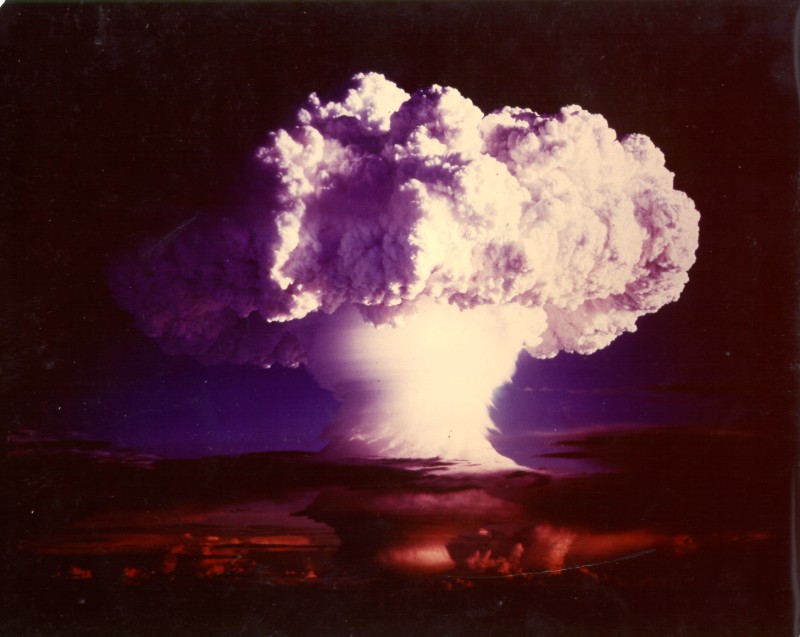
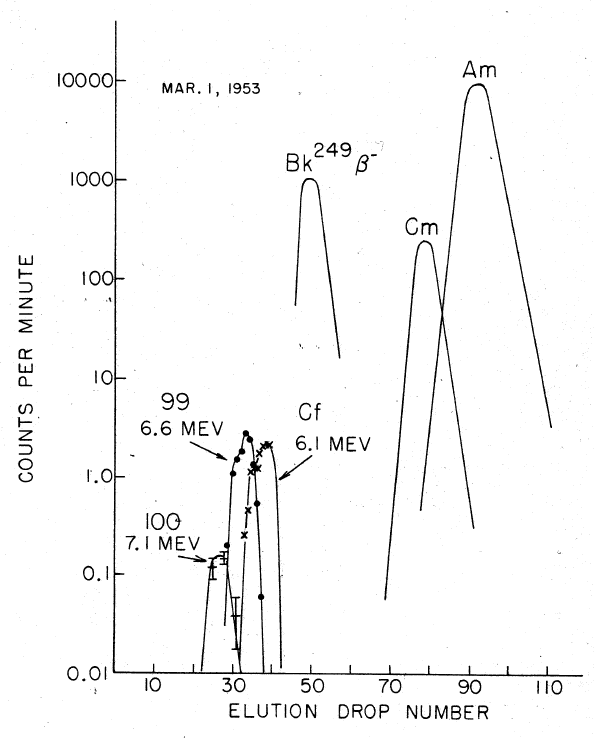
Einsteinium was first detected in 1952 among the debris of the first large-scale thermonuclear (hydrogen) device. A research team led by Albert Ghiorso and colleagues analyzed samples from the explosion and identified decay patterns inconsistent with known nuclides; subsequent laboratory work at the University of California, Berkeley confirmed a new element. Because of the military sensitivity of the origin, early publication and full details were delayed; the element was later named to honor Einstein.
Key characteristics
- Atomic number: 99.
- Chemical symbol: Es.
- Position: seventh actinide in the f-block; properties reflect 5f-electron behavior (actinide series).
- Isotopes: several isotopes have been observed; most sources list on the order of a few dozen identified nuclides in this mass region and roughly 19 isotopes commonly referenced for einsteinium — consult isotope tables for current data.
- Longest common half-life: the more stable isotopes have half-lives measured in months rather than years; half-life compilations are available via reference sources.
Production and occurrence
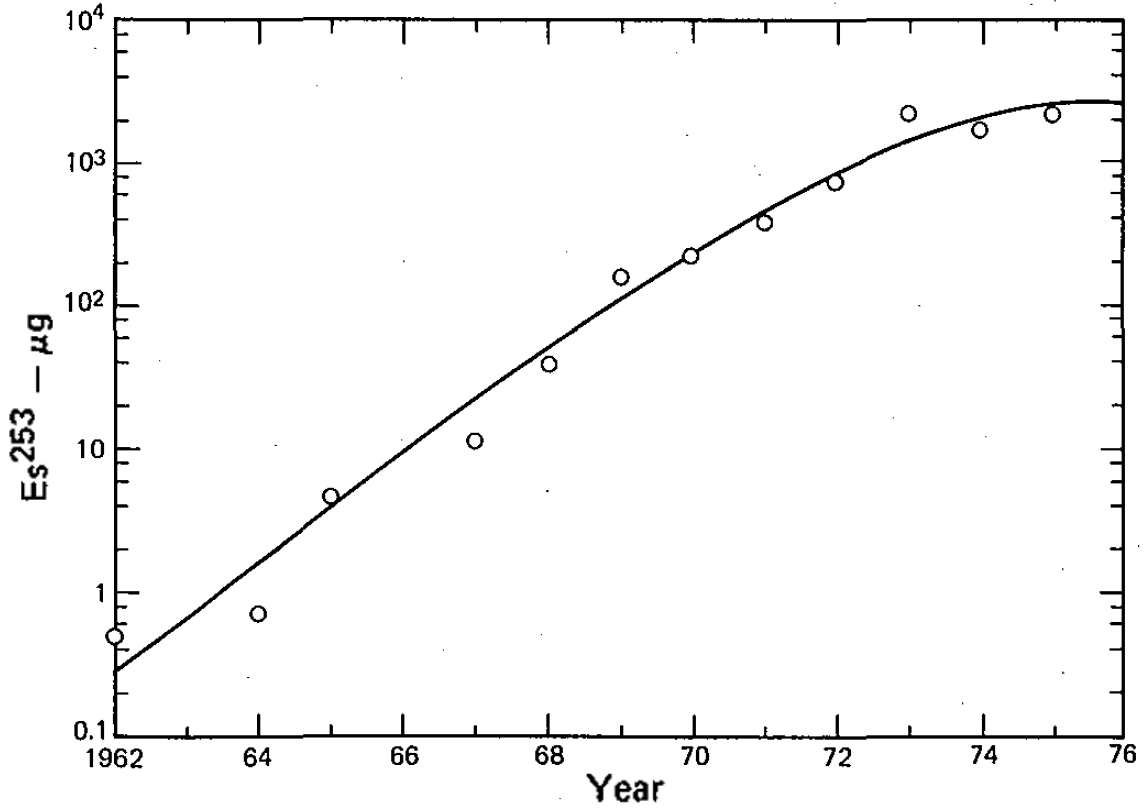
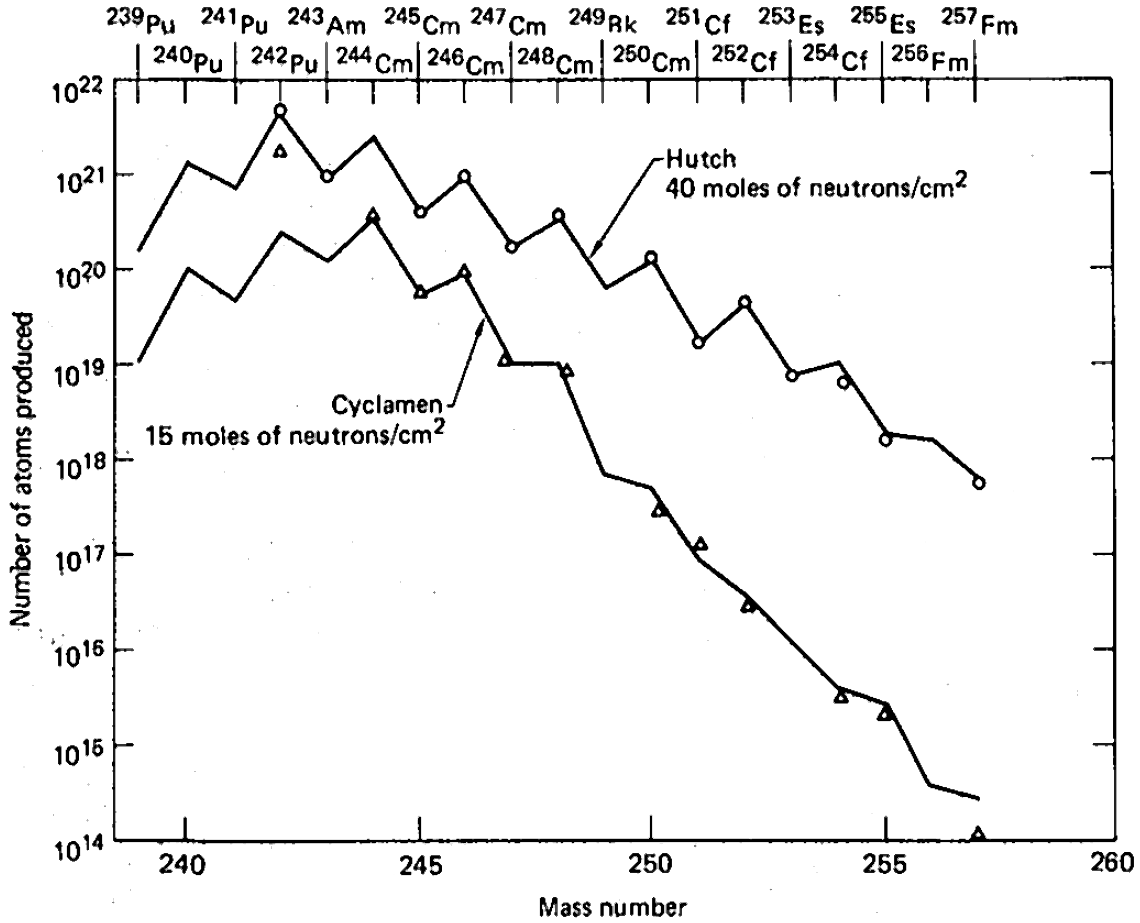
Einsteinium does not occur in appreciable amounts in nature. It is produced artificially by multiple neutron capture on lighter actinides in high-flux research reactors or by heavy-ion irradiation in particle accelerators. Production yields are extremely small — typically micrograms or less — so specimens used in experiments are minute. Historically, material recovered from nuclear tests also provided early samples. Isolation and purification require specialized radiochemical techniques carried out in shielded facilities.
Chemistry and physical properties
Einsteinium behaves chemically as a heavy actinide. In many compounds it shows a +3 oxidation state, which is common among late actinides and analogous to the trivalent chemistry of the lanthanides. A metallic form of einsteinium has been prepared in trace amounts and is reported to have a silvery appearance that tarnishes rapidly in air. Because of limited sample quantities, the chemical data are less extensive than for lighter elements, but studies of solution chemistry, complexation and solid compounds have established basic trends and contributed to understanding of 5f orbital participation in bonding.
Uses and scientific importance
There are no commercial applications for einsteinium. Its principal value is scientific: it serves as a research material for nuclear physics and heavy-element chemistry. Einsteinium isotopes have been used as targets or starting materials in attempts to synthesize heavier transuranic elements and to investigate nuclear reactions, decay modes and the limits of nuclear stability. Research with einsteinium helps refine theoretical models of actinide behavior and the structure of very heavy nuclei.
Safety and handling
All einsteinium isotopes are radioactive and present a radiological hazard if ingested or inhaled. Laboratory work is performed using remote handling, gloveboxes and heavy shielding; strict radiological controls and specialized facilities are required. Because quantities are so small, contamination risk is typically localized but must be managed carefully to prevent personnel exposure and environmental release.
Further information
For concise element profiles and technical data see general element summaries, for detailed isotope decay data consult isotope compilations, and for half-life and nuclear properties consult nuclear data sources. Historical and institutional material relating to the discovery and early work on einsteinium can be found through research archives such as those at Berkeley. Basic educational overviews of the element and its placement in the periodic table are available in standard references on the actinide series and modern inorganic chemistry texts.
Related articles
Author
AlegsaOnline.com Einsteinium (Es): synthetic actinide element, atomic number 99 Leandro Alegsa
URL: https://en.alegsaonline.com/art/30490