
Earl Weaver: Baltimore Orioles Manager and Baseball Strategist
Profile of Earl Weaver, the influential Baltimore Orioles manager known for his emphasis on pitching, defense and three-run homers, his fiery temperament, and his 1996 Baseball Hall of Fame induction.
Overview
Earl Weaver (August 14, 1930 – January 19, 2013) was an American baseball figure best known as the manager of the Baltimore Orioles. After a playing career limited to the minor leagues, he became a manager and rose to prominence in Major League Baseball as a tactician who prioritized pitching, defense and run production. Weaver managed the Orioles for long stretches from 1968 through 1986 and was inducted into the National Baseball Hall of Fame in 1996. His methods and personality left a lasting mark on how managers approach matchups and roster construction.
Image gallery
5 Images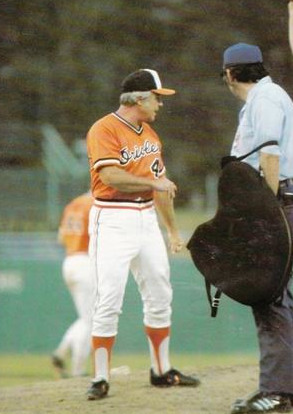


Playing background and early managing
Weaver began in the game as a minor league player, but he never appeared as a player in the major leagues. After retiring as a player he moved into coaching and managing in the minors, where he developed a reputation for attention to detail and a willingness to use platoons and situational substitutions. Those early years shaped his later major-league approach: heavy reliance on pitching staffs, strong defensive alignment, and careful use of hitters in favorable matchups.
Major-league career and achievements
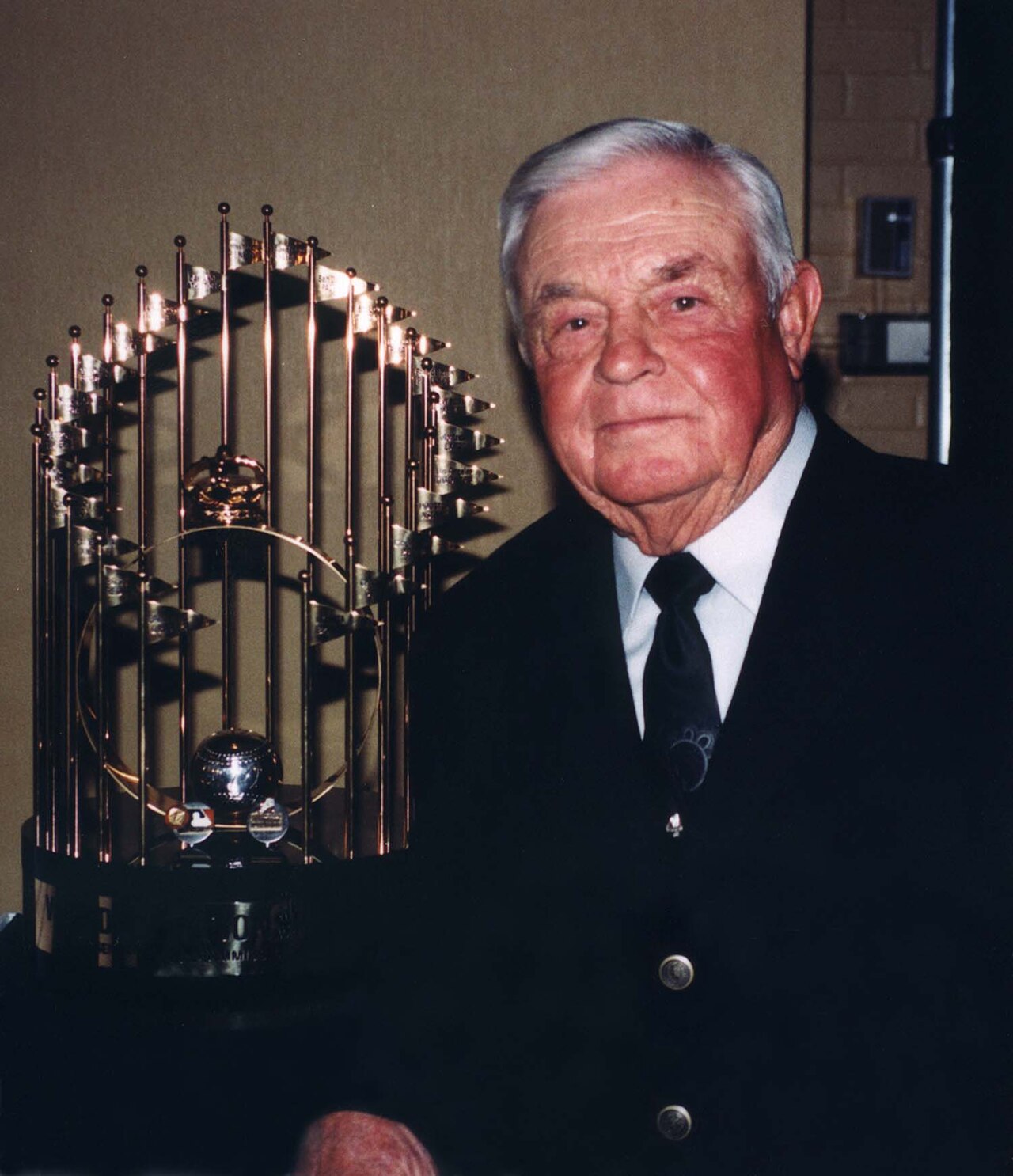
Weaver took over the Orioles' major-league club in 1968 and led the team through the franchise's most consistently competitive period during the late 1960s and 1970s. Under his leadership Baltimore won multiple American League pennants and captured a World Series title, becoming one of baseball's dominant clubs. Weaver returned for a later stint in the mid-1980s before retiring from managing. He was widely regarded as one of the most successful and influential managers of his era and was elected to the Hall of Fame in 1996.
Managerial philosophy and style
Weaver's philosophy is often summarized by his emphasis on three elements: excellent pitching, strong defense, and timely extra-base hits—especially the three-run homer. He was an early adopter of matchup thinking, routinely organizing lineups to create platoon advantages and deploying relievers based on situational needs. While he did not use sabermetrics in the modern sense, he favored objective decision rules and statistics to support matchup choices. He became famous for his fiery interactions with umpires, frequent ejections, and blunt public remarks defending his players and decisions.
Personal life, reputation and death
Born in St. Louis and raised in Baltimore, Weaver's connection to the city and its fans defined much of his public life. He was married twice and had four children. In later years he remained a prominent and outspoken voice about the game. Weaver died on January 19, 2013 while on a cruise; reports attributed his death to a heart attack. His passing came on the same day as another baseball great, an event that drew particular media attention at the time.
Legacy and notable facts
- Hall of Fame: Elected in 1996 in recognition of his managerial career and impact.
- Managerial approach: Known for prioritizing pitching and defense and for the dictum often summarized as pitching, defense and the three-run homer.
- Temperament: Famous for on-field arguments and ejections; a combative personality who also defended his teams vigorously.
- Influence: Credited with helping popularize matchup-based lineup construction and platoon use in the major leagues.
- Additional links: Early life, Baltimore roots, family, circumstances of death, cause, contemporaries and context.
Weaver remains a frequent subject in discussions about managerial strategy and clubhouse leadership. His combination of competitive intensity, tactical innovation and willingness to defend his methods and players has kept his career under study by historians, journalists and fans interested in how managers shape teams and influence the modern game.
Related articles
Author
AlegsaOnline.com Earl Weaver: Baltimore Orioles Manager and Baseball Strategist Leandro Alegsa
URL: https://en.alegsaonline.com/art/29537
Sources
- washingtonpost.com : "Earl Weaver, Hall of Fame Orioles manager, dies at 82"
- mlb.mlb.com : Hall of Fame skipper Weaver passes away at 82
- nydailynews.com : "Earl Weaver dead at 82: Legendary Baltimore Orioles manager was one of baseball's most colorful characters"