
Eavan Boland — Irish poet, educator, and voice for women in literature
Eavan Boland (1944–2020) was an Irish poet, essayist and professor whose work reimagined Irish history through the perspectives of women and domestic life; taught at Stanford from 1996.
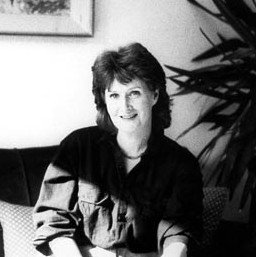
Eavan Boland (24 September 1944 – 27 April 2020) was an Irish poet, essayist and teacher whose work became central to late 20th- and early 21st-century Irish letters. Best known for poems that explore national identity, memory and the everyday lives of women, she combined formal craft with sharply attentive lyric voice. She served as a professor at Stanford University beginning in 1996 and taught widely as a mentor to younger poets.
Image gallery
1 Image
Life and career
Born in Dublin, Boland grew into a reputation as a poet and writer who refused simple national narratives and instead examined how history is lived and remembered in private spaces. Over decades she published poetry and prose that intervened in conversations about Ireland's past and present, often foregrounding the experiences and labor of women that had been overlooked in canonical accounts.
Themes and style
Boland's poems frequently return to a small set of concerns while showing wide formal range. She wrote with attention to imagery drawn from domestic life, maternity, portraiture, and public commemoration. Critics and readers note her clear diction, careful lineation and a moral seriousness that seeks to recover and revalue ordinary experience within national history.
- Reassessing Irish national myths and historical memory.
- Giving voice to women's private and public lives.
- Balancing lyric intensity with narrative elements.
- Engagement with the craft and ethics of poetry.
In addition to poetry, Boland wrote essays on poetics and cultural history that argued for the importance of including women's lives in literary histories. Her teaching emphasized attention to craft alongside engagement with subject matter and context.
Recognition and legacy
Boland received several literary honors during her career, including the Lannan Literary Award for Poetry, and was widely regarded as a leading figure in Irish letters. Her work influenced discussions about gender, nationhood and the role of poetry in public life. She died on 27 April 2020 at the age of 75, after suffering a stroke, as reported in contemporary notices of her passing (obituary note).
For further context on her life and publications see resources from institutions that hold records of her career and teaching, including biographies and archived material at cultural and university sites (biographical resources).
Related articles
Author
AlegsaOnline.com Eavan Boland — Irish poet, educator, and voice for women in literature Leandro Alegsa
URL: https://en.alegsaonline.com/art/29820
Sources
- nytimes.com : nytimes.com/2020/04/28/books/eavan-boland-dead.html?action=click&module=Well&pgtype=Homep…
- poetryfoundation.org : "Eavan Boland"
- rte.ie : "Poet Eavan Boland dies aged 75"
- breakingnews.ie : "Poet Eavan Boland passes away aged 75"
- irishtimes.com : "Eavan Boland, leading Irish poet and champion of the female voice, dies aged 75"
- news.stanford.edu : "Renowned poet Professor Eavan Boland dies at 75"