
Samuel Taylor Coleridge: life, works, and influence
Overview of Samuel Taylor Coleridge (1772–1834), English Romantic poet, critic and philosopher; his major works, ideas on imagination, opium use, collaborations, and lasting influence on literature.
Overview
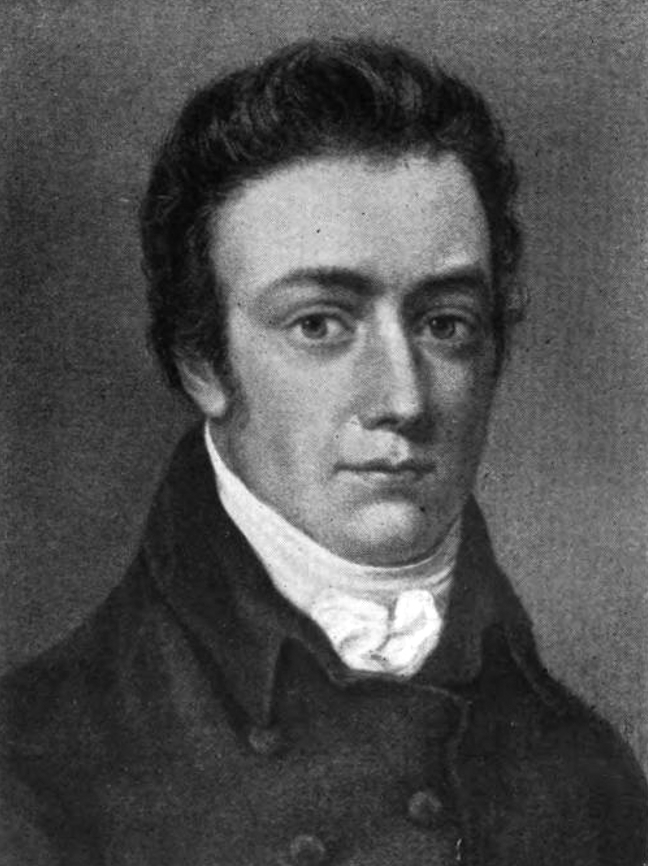
Samuel Taylor Coleridge (1772–1834) was a central figure in the English Romantic movement: a poet, critic and thinker whose work reshaped late 18th- and early 19th-century literature. He is best known for a small number of highly influential poems that combined vivid imagination, supernatural elements and philosophical reflection. Though his creative output was limited by health and personal problems, Coleridge's theoretical writings and lectures helped to define Romantic ideas about the imagination, poetic language and the role of feeling in art. Contemporary readers recognize him for both his verse and his long-lasting contributions to literary criticism and philosophy.
Image gallery
10 Images



Life and background
Born in Ottery St Mary, Devon, the youngest child of a clergyman, Coleridge was educated at Cambridge but left without completing a degree. Early in his adult life he formed a close partnership with the younger poet William Wordsworth, and their collaboration is often cited as the starting point of English Romanticism. The two published Lyrical Ballads in 1798, a volume that challenged prevailing poetic conventions and promoted a new interest in everyday language and spontaneous feeling. Coleridge married Sara Fricker in 1795; their marriage, family responsibilities and financial troubles accompanied his growing dependence on laudanum (an opium tincture), which affected his health and productivity for decades.
Major works and themes
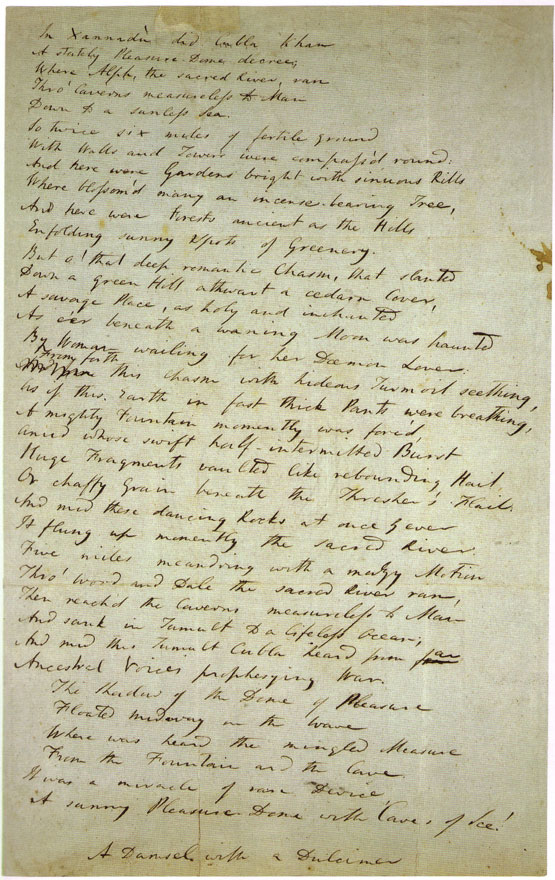
Although his overall output is modest, several of Coleridge's poems are regarded as masterpieces. "The Rime of the Ancient Mariner" and "Kubla Khan" remain widely read and anthologized, while incomplete works like "Christabel" show his fascination with mood, narrative interruption and the uncanny. His prose work, notably Biographia Literaria, set out his ideas about imagination, the distinction between imagination and fancy, and the poet's moral and cognitive functions. Themes that recur in his work include the supernatural, the workings of the creative mind, the tension between reason and feeling, and the moral consequences of human actions.
- Poetry: The Rime of the Ancient Mariner, Kubla Khan, Christabel.
- Prose: Biographia Literaria and numerous lectures and essays on philosophy, criticism and theology.
- Interests: German philosophy, biblical criticism, theology and the psychology of imagination.
Collaboration, criticism and controversies
Coleridge's relationship with Wordsworth was one of mutual influence: Wordsworth contributed many of the poems to Lyrical Ballads while Coleridge provided theoretical framing and several key pieces of verse. As a critic and public intellectual Coleridge lectured widely and engaged in debates over poetic method and literary history. Later scholars have also discussed ethical and textual questions about his use of sources; some critics have accused him of borrowing heavily from other writers without always acknowledging them. His reputation was further complicated by his well-known opium dependence, which contemporaries and later commentators sometimes linked to lapses in judgment and productivity.
Public persona and later years
Coleridge was celebrated as an engaging conversationalist and a powerful lecturer; his public readings and teaching in London helped sustain his influence even when his health and finances were precarious. In his later life he produced a steady stream of reviews, notes and theological reflections that kept him at the center of literary debates. He died in Highgate in 1834, leaving a legacy that continues to be debated: as an imaginative poet, a formative theorist of Romantic literature and a complex figure whose personal struggles intersected with his creative life.
Further reading and legacy
Coleridge's work remains a staple of English literature courses and a frequent subject of scholarly study. Readers explore his poetry for its formal daring and haunting imagery, while his prose is read for its philosophical reach. Modern criticism balances admiration for his imaginative gifts with scrutiny of his personal shortcomings and textual practices. For an introduction to his poems and critical writings see anthologies and scholarly studies that situate him among other Romantic writers and within the broader intellectual currents of his age.
Selected references and short guides: biographical overview, major poems, Wordsworth partnership, Romanticism context, English literary history, critical writings, Ottery St Mary, Devon origins, Cambridge education, Jesus College, opium and laudanum, philosophical influence, Highgate, Middlesex, Kubla Khan analysis, critical controversies
Questions and answers
Q: When was Samuel Taylor Coleridge born?
A: Samuel Taylor Coleridge was born on 21 October 1772 in Ottery St Mary, Devon.
Q: Who did Coleridge meet in 1795?
A: In 1795, Coleridge met William Wordsworth, another young poet.
Q: What is the name of the book that Wordsworth and Coleridge published together in 1798?
A: The book that Wordsworth and Coleridge published together in 1798 is called Lyrical Ballads.
Q: What poem is considered to be Coleridge's masterpiece?
A: The Rime of the Ancient Mariner is considered to be Coleridge's masterpiece.
Q: What other famous poem did he write around the same time as The Rime of the Ancient Mariner?
A: Around the same time as The Rime of the Ancient Mariner, Coleridge wrote his poem Kubla Khan.
Q: How did opium addiction affect his life and work?
A: Opium addiction had a significant effect on both his life and work; it caused him health problems, made it difficult for him to support his family financially, and hindered him from completing writing projects he started. It also has been argued that it may have left him unable to tell when he was repeating the work of other writers that he had read.
Q: How has English literature scholars regarded Samuel Taylor Coleridge's works?
A: Scholars and critics of English literature have regarded Coleridge as a major figure; John Livingston Lowes used his poetry to study the working of human imagination while Norman Furman showed that he was guilty of plagiarism in many later works.
Related articles
Author
AlegsaOnline.com Samuel Taylor Coleridge: life, works, and influence Leandro Alegsa
URL: https://en.alegsaonline.com/art/86753