
Duval County, Florida: overview, history, and key facts
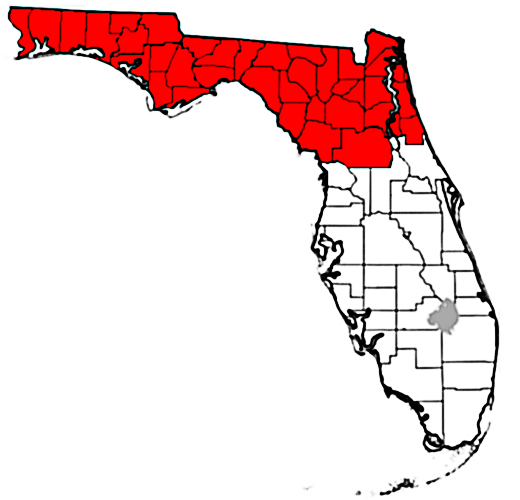
Duval County in northeastern Florida includes the city of Jacksonville. Formed in 1822, it is a coastal, largely urban county known for its port, military bases, and consolidated city–county government.
Overview
Duval County sits in northeastern Florida along the Atlantic coast. Established in 1822, the county contains the city of Jacksonville, which serves as its county seat. Much of the county is urban and residential, and it functions as a regional center for commerce, transportation and culture.
Image gallery
10 Images




Geography and characteristics
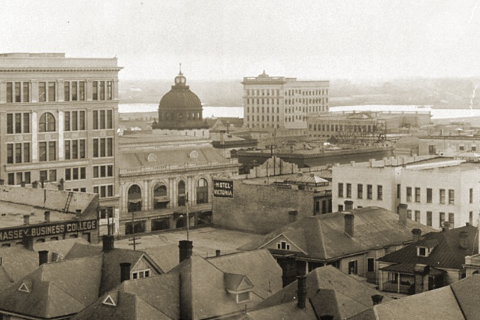
The county occupies river and coastal environments, dominated by the St. Johns River and long stretches of coastline. Its mix of neighborhoods includes downtown, beach areas, suburban corridors and pockets of wetlands and parks. Jacksonville, the county's principal city, is notable for its large municipal area and extensive public parkland.
History and government
Created in the early territorial period, Duval County developed with Florida's growth through the 19th and 20th centuries. In the late 1960s the city of Jacksonville and Duval County adopted a consolidated city–county government for most of the county, a reform intended to streamline services and reduce duplicative local governments.
Economy, institutions and transport
The local economy is diverse: a busy seaport and maritime industries, military installations and defense-related employers, health care systems, education institutions and logistics all play significant roles. Major roads and freight corridors connect the county to regional and national markets.
Notable facts
- Home to a major Atlantic port and several naval facilities, which influence the local economy.
- Jacksonville is often cited among the largest U.S. cities by land area in the contiguous states.
- The county blends urban development with coastal recreation, parks and riverfront areas.
For local government information, civic services and resources, see county and city pages via official links and guides: state resources, regional planning and visitor information are available through municipal and transportation authorities.
Related articles
Author
AlegsaOnline.com Duval County, Florida: overview, history, and key facts Leandro Alegsa
URL: https://en.alegsaonline.com/art/29371
Sources
- books.google.com : Publications of the Florida Historical Society