
Dulwich College
Independent boys' school in Dulwich, south London, founded in 1619 by Edward Alleyn. A historic boarding and day school known for strong academics, broad extracurricular life and notable alumni.
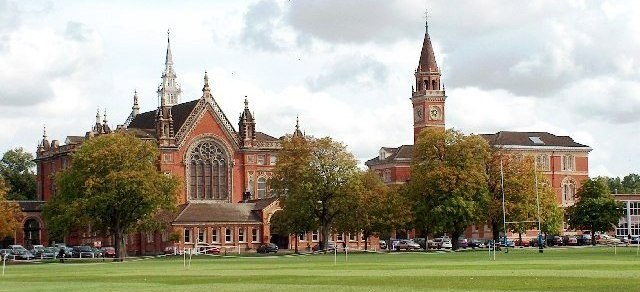
Overview: Dulwich College is an independent boarding and day school for boys aged 7–18 located in the Dulwich area of south London. The institution combines a long history with modern facilities and a broad academic and co‑curricular programme. As a fee‑charging school it forms part of the network of leading independent schools in England and participates in national conversations about independent education and public benefit. For descriptions of its boarding provision see boarding school; for the school's single‑sex tradition see boys.
Image gallery
7 Images




History and foundation
Dulwich College traces its origin to an early 17th‑century charitable foundation established by actor and entrepreneur Edward Alleyn in 1619. He endowed lands and funds to support education, almshouses and a chapel, creating an institutional framework that evolved over centuries. The College grew through the Victorian period and expanded its campus and curriculum during the 19th and 20th centuries. Today it still reflects its foundation charter while operating as an independent school with a modern management structure.
Organisation, campus and age range
The College serves boys roughly from preparatory ages through sixth form, offering both day places and residential boarding. Its campus in Dulwich includes classrooms, science and library facilities, sports fields and performing‑arts spaces. The school is organised into year groups and houses that provide pastoral support, competition and community life. The local setting in Dulwich places the school within the cultural and transport networks of south London.
Academics, activities and reputation
Dulwich College is regarded as academically strong among independent schools in England. It offers GCSE/IGCSE and A‑level programmes and a wide range of extracurricular activities including music, drama, debating, and sport. The school places weight on preparing pupils for higher education, public life and a variety of professional careers. As a fee‑paying institution it contributes to local education ecosystems and wider independent‑school associations; further context about independent fees and charitable status can be found via fee and England educational overviews.
Alumni and legacy
Alumni of Dulwich College have included engineers, civic leaders, artists and scientists. A prominent example is Sir Joseph Bazalgette, the 19th‑century civil engineer who designed much of London’s Victorian sewer network. The school also belongs to groups of historic independent schools that share traditions, competitive fixtures and educational standards, and it is frequently noted for combining historical continuity with contemporary developments in schooling.
Distinguishing features
- Founded in 1619 by Edward Alleyn; a long institutional history.
- Combination of boarding and day provision for boys aged roughly 7–18.
- Strong record in examinations and university placement compared with national averages for independent schools.
- Active pastoral house system, extensive extracurricular programme and notable historic alumni.
Related articles
Author
AlegsaOnline.com Dulwich College Leandro Alegsa
URL: https://en.alegsaonline.com/art/29182