
East Carolina University
Public research university in Greenville, North Carolina. Founded as a teachers' school, it now offers a wide range of undergraduate, graduate and professional programs and fields athletic teams called the Pirates.
East Carolina University (ECU) is a public research university located in Greenville, North Carolina. Established in the early 20th century to train teachers, it has grown into a comprehensive institution within the state system, offering undergraduate, graduate and professional degrees across a broad set of fields. The university is regionally accredited; see institutional information and accreditation here.
Image gallery
8 Images



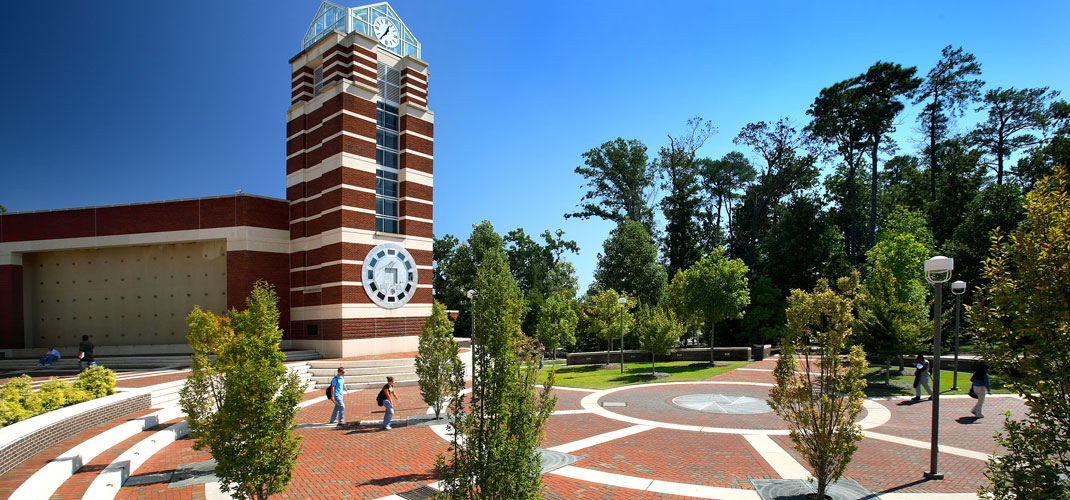


Campus and academic programs
ECU's main campus sits in a midsized city setting and includes classroom buildings, research facilities, student housing and clinical training sites. Academic offerings span liberal arts and sciences, business, education, engineering and technology, fine arts, and health sciences. The university supports professional programs such as a medical school and allied health education that prepare students for clinical practice and research careers.
History and development
Beginning as a teachers' training institution, ECU expanded during the 20th century into a multipurpose university serving a broad region of eastern North Carolina. Over decades it added graduate programs, professional schools, and research centers, reflecting a shift from a single-focus college to a modern public university with statewide and regional responsibilities.
Research, service and regional role
As a public research institution, ECU engages in applied and clinical research, community partnerships, and workforce development. It maintains teaching hospitals and clinical affiliations to support health professions training and serves as an economic and cultural hub for the surrounding region, offering public events, continuing education and outreach.
Athletics and student life
The university fields NCAA Division I athletics under the nickname the Pirates. Information about teams, schedules and programs is available through ECU Athletics here. ECU joined the American Athletic Conference for most sports in July 2014; learn more about that conference here.
Notable distinctions: ECU is a member of the state university system, known for an emphasis on teacher education and health professions, school colors of purple and gold, and a significant regional presence through research, clinical services and community engagement.
Related articles
Author
AlegsaOnline.com East Carolina University Leandro Alegsa
URL: https://en.alegsaonline.com/art/29620
Sources
- ecu.edu : ecu.edu