
Duke of Norfolk
Hereditary English dukedom held by the Howard family; the Duke of Norfolk is the premier non-royal duke and the hereditary Earl Marshal, responsible for major state ceremonies and heraldry.
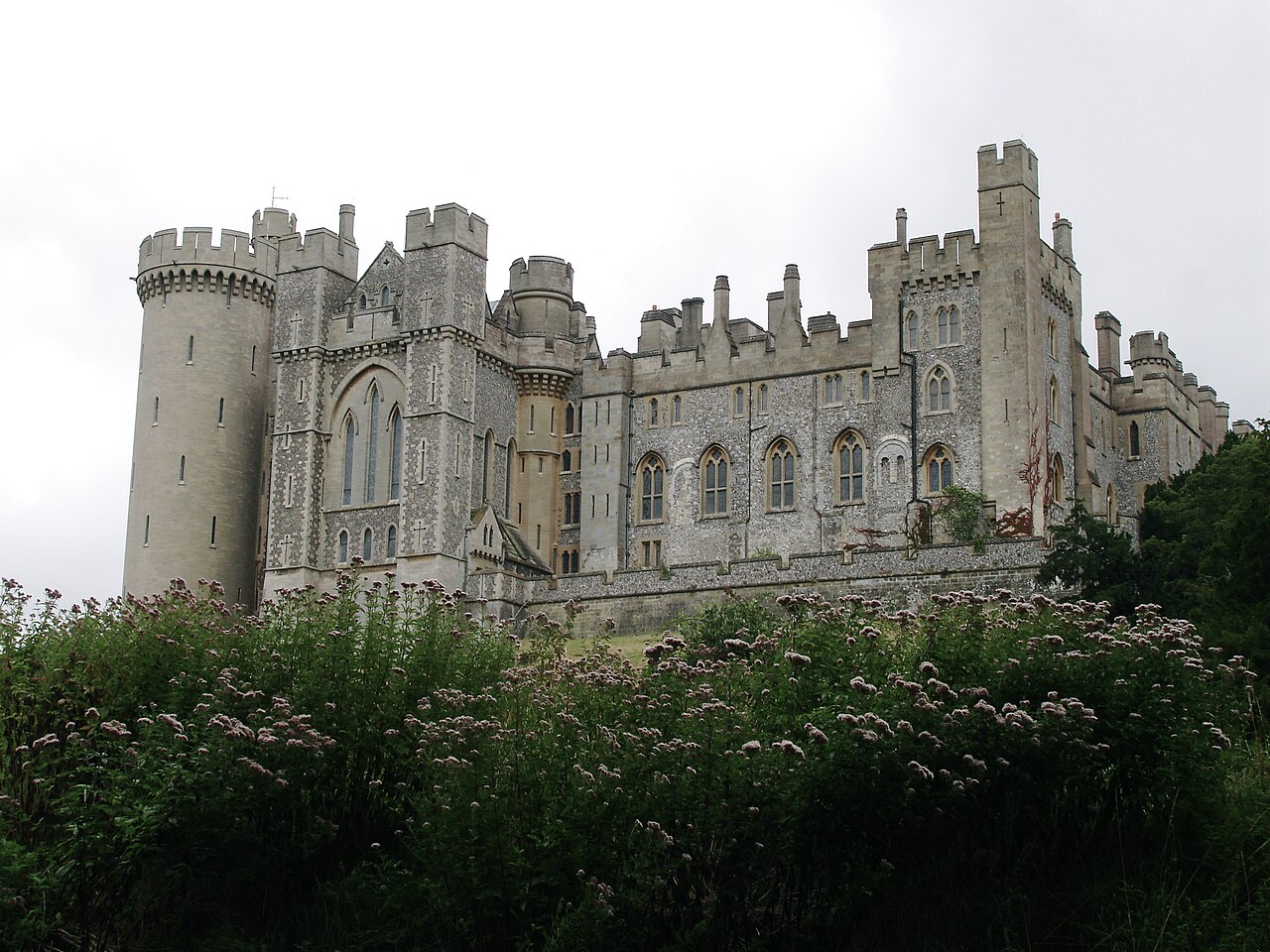
The Duke of Norfolk is a hereditary title in the English peerage traditionally held by the Howard family. It is regarded as the premier dukedom among non-royal peers of England and carries the ancient hereditary office of Earl Marshal, which connects the holder to national ceremonial duties. The family seat is Arundel Castle in West Sussex, and the dynasty is well known for its long-standing Roman Catholic faith and local patronage.
Image gallery
10 Images




Role and responsibilities
The Duke's chief public function stems from the office of Earl Marshal. In this capacity the duke has historically organized and overseen state occasions involving the monarchy, working with government and heraldic authorities. Key responsibilities include:
- Arranging coronations and state funerals;
- Supervising the College of Arms and matters of heraldry;
- Managing ceremonial protocol and precedence among peers.
These duties place the holder at the center of ceremonial life in the United Kingdom, and they intersect with the workings of the House of Lords when state business and honours are involved.
History and succession
The dukedom has medieval roots and has been created, extinguished, and restored at different times across centuries. Records show an early creation dating back to 1397, and the title has remained one of the most prominent in England. The family surname in modern times is Fitzalan‑Howard, reflecting historic marriages that joined important lineages.
As a point of recent succession, the title was held by Edward Fitzalan‑Howard, styled the 18th Duke in sources noting the situation as of 2013; he succeeded to the dukedom in 2002. Like many hereditary peers, the dukes adapted to constitutional change while maintaining their ceremonial functions.
Arundel and patronage
Arundel Castle remains the family home and a visible symbol of their local influence. The Howards' Catholic faith led them to support church building and restoration in their region, including funding for Arundel Cathedral. The castle and cathedral together reflect both the family's medieval roots and their ongoing role as local patrons.
The Duke of Norfolk combines aristocratic rank with defined public office. Technically a peer within the English peerage, the holder ranks above other non-royal dukes and continues to play an important ceremonial part in national life while also managing ancestral estates and regional responsibilities.
Related articles
Author
AlegsaOnline.com Duke of Norfolk Leandro Alegsa
URL: https://en.alegsaonline.com/art/29163