
Arundel Cathedral: Cathedral Church of Our Lady and St Philip Howard
A Gothic Revival Roman Catholic cathedral in Arundel, West Sussex, dedicated to Our Lady and St Philip Howard; notable for its 19th‑century architecture, Howard family connections and role as a diocesan seat.
Arundel Cathedral, formally the Cathedral Church of Our Lady and St Philip Howard, is a Roman Catholic church located in the town of Arundel in West Sussex, in southern England. Built in the late 19th century (construction began in 1868), it is a well‑known example of the Gothic Revival churches erected for the Catholic community after Catholic emancipation. The building serves both as a parish church and as the principal church of its diocese.
Image gallery
10 Images
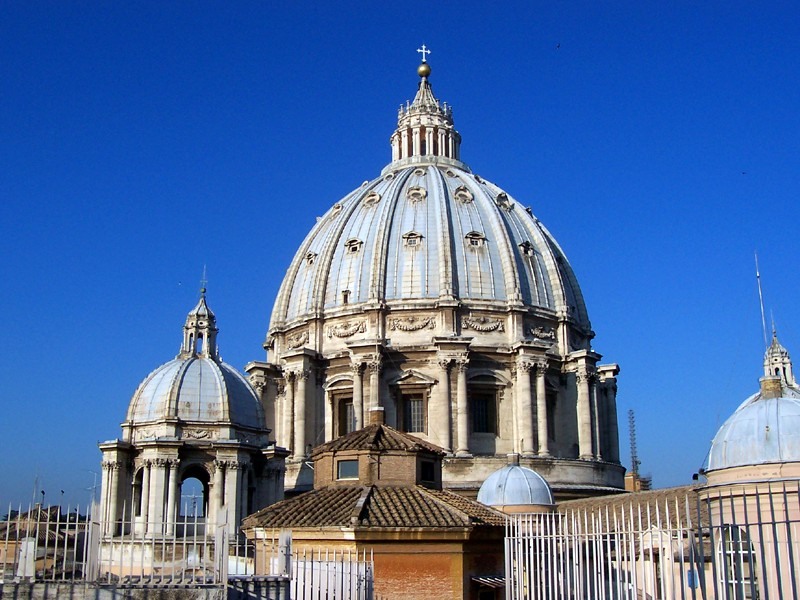


Architecture and interior
The cathedral is designed in the Gothic Revival style and combines elements common to medieval English cathedrals: pointed arches, ribbed vaulting and rich stone and wood carving. The interior contains stained glass windows, carved altars and memorials that reflect 19th‑ and 20th‑century ecclesiastical craftsmanship. Visitors often note the sense of verticality and the detailed liturgical fittings that emphasize the building's religious functions.
History and dedication
Although the current structure dates from the late 1800s, Arundel has a longer Catholic presence linked to the Howard family, long associated with nearby Arundel Castle. The cathedral is dedicated to the Blessed Virgin Mary (Our Lady) and to St Philip Howard, the 20th Earl of Arundel. Philip Howard is remembered as a Catholic noble who died imprisoned in the Tower of London during the reign of Elizabeth I and was later canonised; his memory is an important part of the cathedral's identity.
Uses and significance
Beyond regular worship, the cathedral hosts diocesan liturgies, concerts and civic events. It functions as a focal point for Catholic life in the region and attracts visitors interested in religious history, architecture and the local heritage connected with the Howards and Arundel Castle.
Notable features and visitor information
- Gothic Revival design and ecclesiastical furnishings.
- Memorials and shrines associated with the Howard family and Catholic martyrs.
- Active liturgical schedule with services, rites and seasonal celebrations.
Those researching the cathedral can consult diocesan guides or local heritage resources for visiting hours, guided tours and information about conservation work. The building remains both a place of worship and an architectural landmark within the historic town of Arundel.
Tags
Related articles
Author
AlegsaOnline.com Arundel Cathedral: Cathedral Church of Our Lady and St Philip Howard Leandro Alegsa
URL: https://en.alegsaonline.com/art/6398