
Duke Lemur Center
A sanctuary and research center at Duke University housing diverse lemur and loris species; focused on conservation, noninvasive research, breeding and public education by appointment.
Overview
The Duke Lemur Center is a long‑standing sanctuary and research facility affiliated with Duke University. Located on an 85‑acre site in Durham, North Carolina, the center cares for a variety of small-bodied primates, with a primary focus on lemurs and lorises. It is widely regarded as the largest captive collection of these species outside their native range and combines animal care with education, conservation breeding and noninvasive research.
Image gallery
4 Images


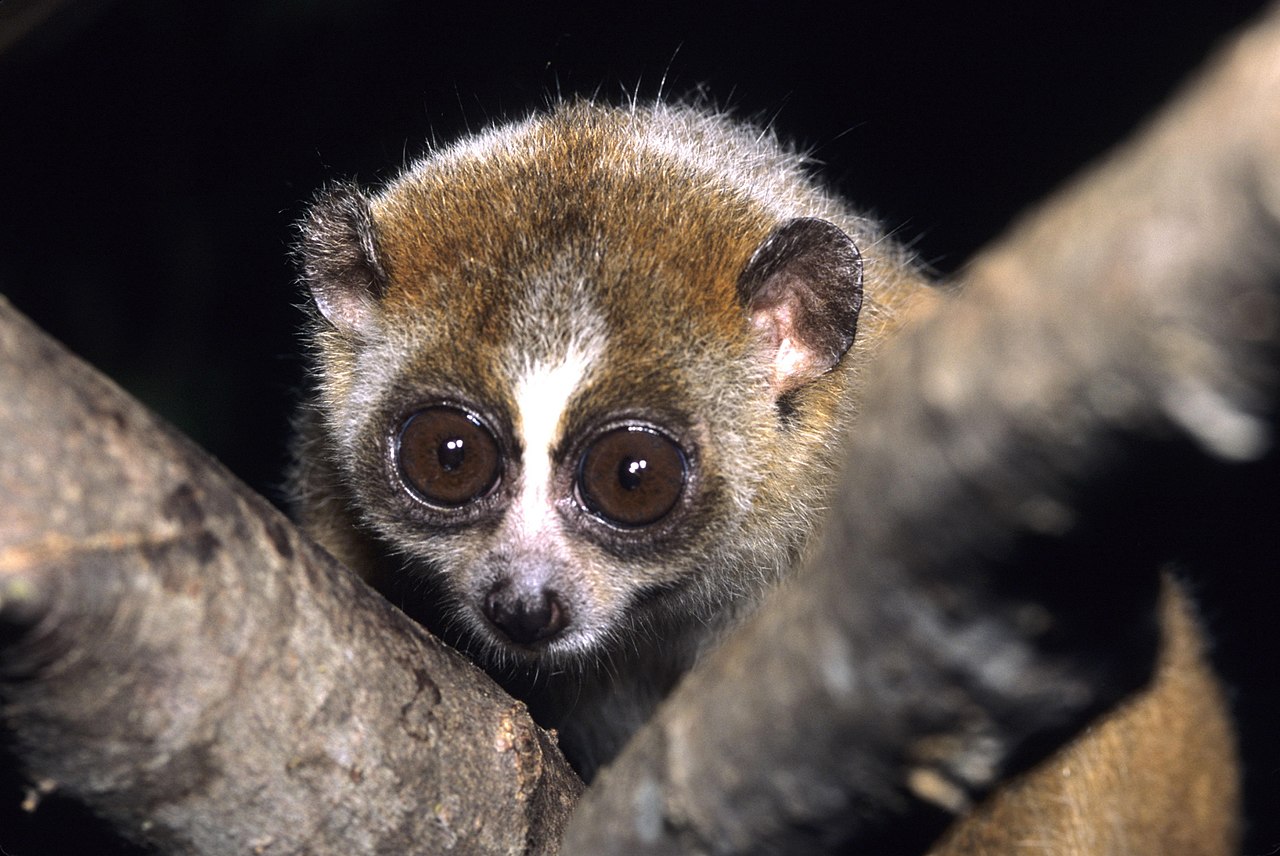
Animals and facilities
The center maintains indoor and outdoor enclosures designed to meet the behavioral and physiological needs of species from Madagascar and other regions. It houses approximately ten distinct taxonomic groups and many individual animals, including sifakas, mouse lemurs and other strepsirrhines. Care practices emphasize species‑appropriate social groupings, diet, enrichment and veterinary oversight. The institution presents each species as part of a broader effort to understand their biology, life history and threats in the wild.
Research, conservation and education
Researchers affiliated with the center conduct a range of studies that are typically noninvasive, including behavioral observation, cognitive testing, nutrition and reproductive biology. The center supports captive breeding programs intended to maintain healthy, genetically diverse populations and to provide data that can aid conservation planning for wild populations. Educational programs translate scientific findings for students, volunteers and visitors and help raise awareness of habitat loss and other pressures affecting these primates.
Public programs and access
The Duke Lemur Center welcomes visitors by scheduled appointment only; guided tours are offered to introduce the public to the animals, the center’s work and ways to support conservation. Internships, volunteer opportunities and outreach events are organized to engage students and the broader community. The center also collaborates with conservation partners and researchers in Madagascar and elsewhere to align captive work with in‑situ protection efforts.
History and notable animals
Established in the mid‑20th century as a specialized primate facility, the center has grown into a globally recognized resource for strepsirrhine research and husbandry. It has published numerous studies and trained generations of students in primatology and conservation biology. One of the center’s best‑known residents was Jovian, a Coquerel’s sifaka who became famous through the children’s series Zoboomafoo. Jovian died in 2014 of renal failure, an event that drew public attention to the center’s animal care and educational mission.
Distinctive roles and partnerships
The Duke Lemur Center functions at the intersection of husbandry, research and conservation. Its core activities include:
- Animal care and captive breeding to preserve genetic diversity and support population studies;
- Noninvasive research that informs ecology, behavior and health without harming animals;
- Education and outreach through tours, internships and public programs;
- Collaborative conservation with field projects and partner institutions.
Through these combined roles, the center contributes to scientific knowledge, professional training and public understanding of some of the world’s most unusual and endangered primates. For more institutional detail, visitors and researchers can consult the center’s information pages and affiliated resources via the facility’s links and publications sanctuary overview and species list.
Related articles
Author
AlegsaOnline.com Duke Lemur Center Leandro Alegsa
URL: https://en.alegsaonline.com/art/29155
Sources
- lemur.duke.edu : "Duke Lemur Center"
- visitnc.com : "Duke Lemur Center"
- sciencewriters2012.org : "Duke University Tour - Research at the Duke Lemur Center"