
Dryas (plant): arctic–alpine mat-forming shrubs
Dryas is a small genus of mat-forming shrubs in the rose family, native to cold arctic and alpine regions. Noted for low growth, showy flowers and importance in ecology and palaeoecology.
Dryas is a small genus of flowering plants in the family Rosaceae. Members are low, perennial shrubs that form dense mats or cushions across tundra, rocky slopes and alpine scree. Their growth habit and persistent leaves help them survive harsh, cold climates.
Image gallery
4 Images


Description
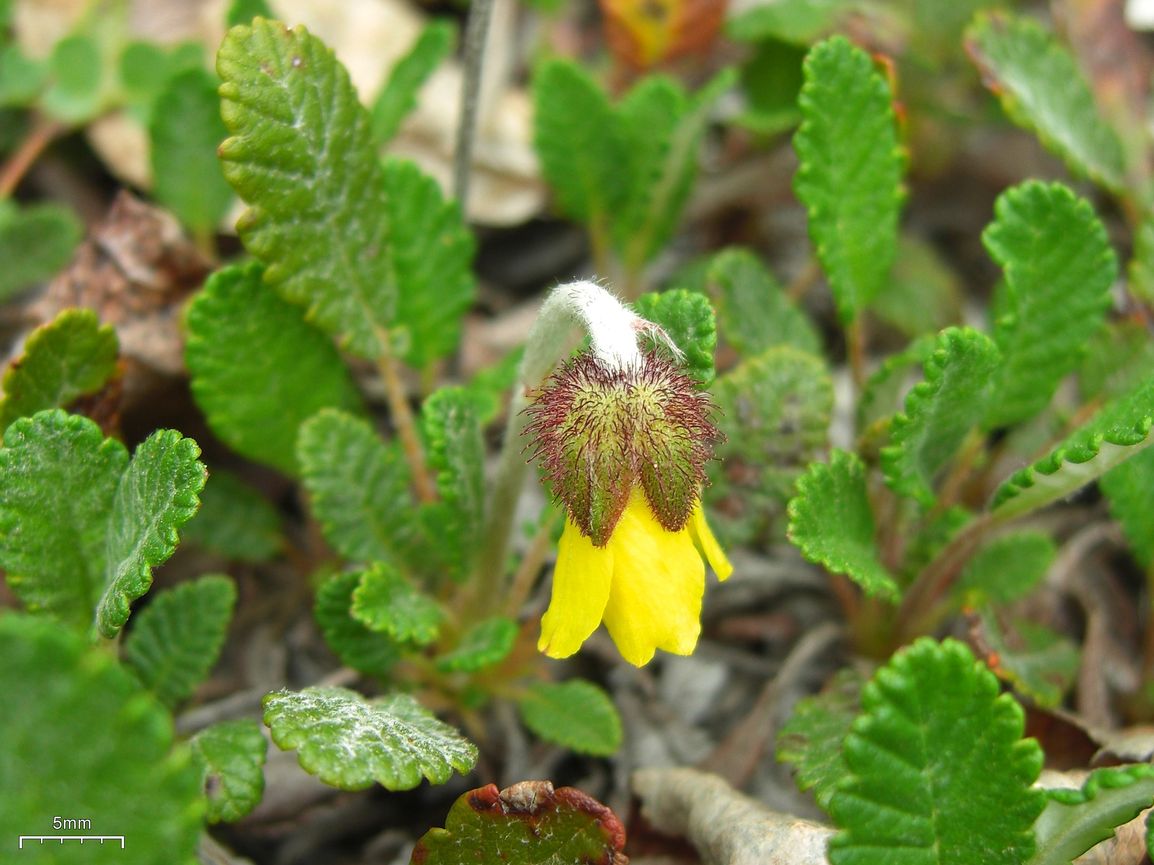
Plants in this genus typically have a prostrate habit, woody stems at the base, and simple or lobed evergreen leaves. Flowers are conspicuous, usually with multiple petals that are white to yellow, and they produce follicles or achenes as fruit. Their compact form reduces wind exposure and conserves warmth.
Distribution and habitat
Dryas species are native to arctic and high-latitude alpine zones in the Northern Hemisphere. They are characteristic of well‑drained, calcareous soils, gravel, and limestone pavements, often colonizing disturbed ground where few other vascular plants persist.
Species
- Dryas octopetala — mountain avens, a widespread arctic–alpine species with white flowers.
- Dryas integrifolia — the entireleaf mountain-avens, common in Arctic North America.
- Dryas drummondii — a North American species often with yellowish blooms.
- A recognized hybrid occurs where species ranges meet, producing intermediate forms valued in cultivation.
Ecological and cultural significance
Dryas plays an outsized role in cold ecosystems: it stabilizes soil, provides early-season nectar for pollinators, and its presence can indicate certain soil chemistries. The genus is also prominent in palaeoecology—periods named after Dryas pollen, such as the "Younger Dryas," reflect past climate events when Dryas expanded in response to cooling.
Cultivation and uses
Because of their hardiness and attractive flowers, Dryas species are used as groundcover in rock gardens and alpine plantings. They require well-drained, often lime-rich soil and full sun. Garden cultivars and hybrids are selected for flower color and compactness.
For more botanical details and species accounts, see specialist resources and regional floras: genus overview, flowering-plant context, and family treatments in Rosaceae. Additional species-level information is catalogued under species listings and named hybrids at hybrid records.
Related articles
Author
AlegsaOnline.com Dryas (plant): arctic–alpine mat-forming shrubs Leandro Alegsa
URL: https://en.alegsaonline.com/art/29056