
Duma florulenta — tangled lignum, an Australian floodplain shrub
Duma florulenta (syn. Muehlenbeckia florulenta), known as tangled lignum, is a woody shrub of inland Australian floodplains valued for habitat, erosion control and cultural uses; sensitive to altered flooding.
Overview
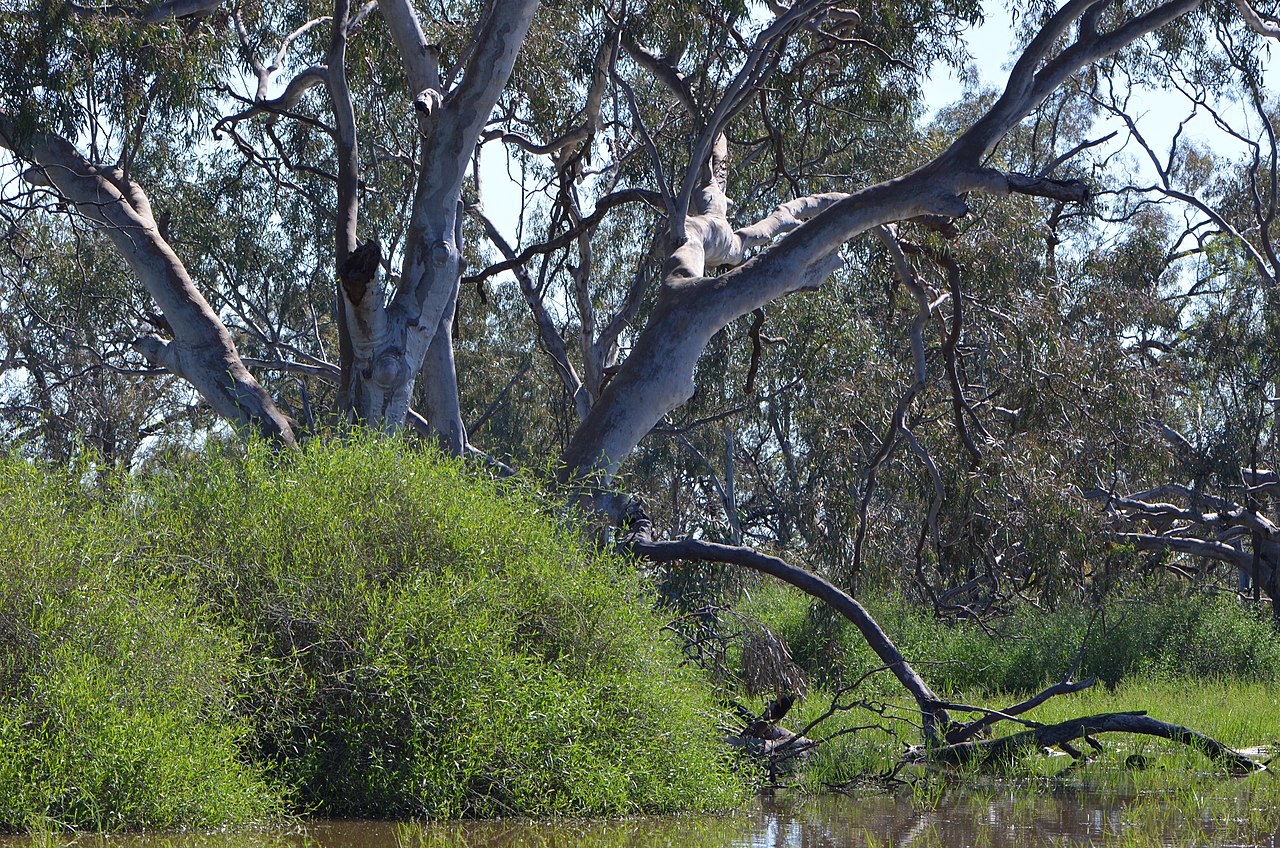
Duma florulenta, commonly called tangled lignum or simply lignum, is a native Australian woody shrub that forms dense, tangled thickets on inland floodplains and river channels. It is an important structural plant across arid and semi‑arid river systems where periodic inundation maintains stands. Individual plants send out numerous flexible, interwoven stems that create dense habitat used by birds and small mammals.
Image gallery
7 Images




Characteristics
The shrub is notable for its intricate network of wiry branches and small, often inconspicuous leaves. Key features include:
- Many-branched, climbing or sprawling growth habit that forms impenetrable clumps.
- Small flowers and dry fruit typical of the knotweed family, with seeds dispersed by water or animals.
- Tolerance of periodic waterlogging and moderate salinity, with plants responding vigorously after floods.
Habitat and ecology
Duma florulenta commonly occurs on floodplains, in drainage lines and along ephemeral streams, especially where seasonal flooding occurs. By trapping sediment and reducing flow speed, lignum helps stabilize banks and creates sheltered microsites. Its dense growth provides nesting and shelter for waterbirds and other fauna; conversely, stands can be reduced by prolonged drought, grazing pressure or river regulation that prevents natural flooding.
Uses and significance
Although not a major commercial species, lignum has local importance. Its woody stems have been used historically for fuel, fence posts and small construction needs. Ecologically it is valued for erosion control and habitat restoration projects. The plant also holds cultural significance for some Indigenous communities who used lignum stands as resources and landscape markers.
Taxonomy and conservation
The species has been treated under different genera; it is frequently listed as Muehlenbeckia florulenta in older sources but serves as the nomenclatural type of the genus Duma. Conservation concerns are mostly local and related to changes in hydrology, land clearing and heavy grazing. Management that restores or mimics natural flooding regimes tends to promote recovery of lignum stands and the ecological services they provide.
Related articles
Author
AlegsaOnline.com Duma florulenta — tangled lignum, an Australian floodplain shrub Leandro Alegsa
URL: https://en.alegsaonline.com/art/29184