
Drance (Valais) — Alpine river in Switzerland
The Drance is a 44 km river in the canton of Valais, Switzerland. Formed by two alpine headstreams, it drains about 680 km² and joins the Rhône near Martigny; important for hydro, recreation and valley ecology.
Overview
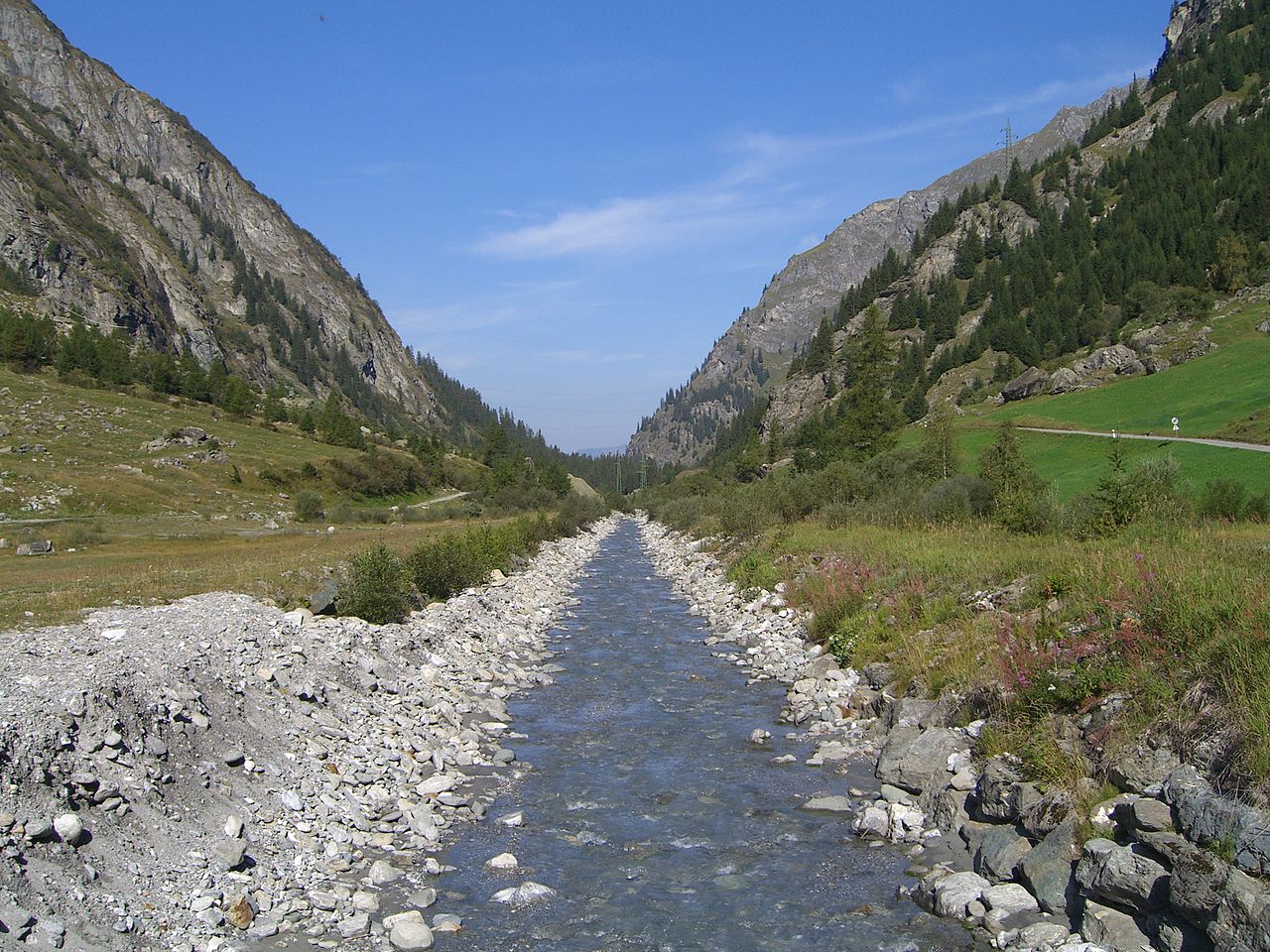
The Drance is an alpine river in the canton of Valais in Switzerland. With a length of about 44 kilometres and a catchment area near 680 square kilometres, it is one of the principal tributaries of the Rhône in the upper Valais. The river's character is strongly influenced by its high-mountain sources: snowmelt and summer glacial runoff shape seasonal flow patterns and sediment transport.
Image gallery
6 Images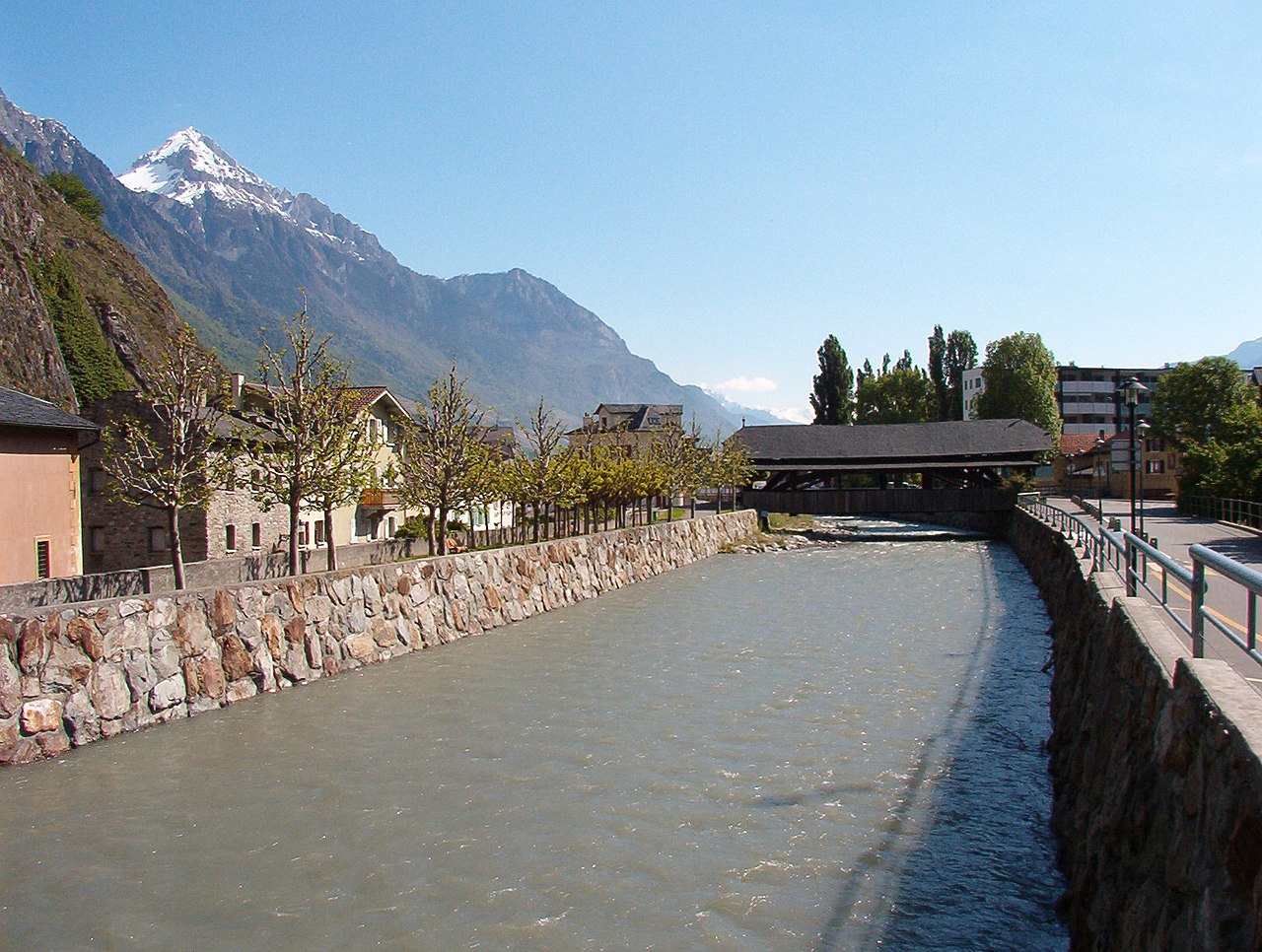



Course and tributaries
The modern Drance is formed at the meeting point of two main headstreams, the Drance de Bagnes and the Drance d'Entremont, a confluence that defines the valley's hydrology and local place names. After the confluence the river flows down the central Valais valley and joins the Rhône near the town of Martigny, passing through narrow gorges and wider alluvial sections along its route.
- Headwaters: alpine and glacial-fed mountain streams.
- Main branches: Drance de Bagnes and Drance d'Entremont.
- Outflow: the Rhône at the lower Valais plain.
Local settlements and transport corridors follow the river's valley, and several smaller tributaries and seasonal torrents feed it from surrounding peaks and slopes.
Uses, management and infrastructure
The Drance basin supports agricultural land, mountain tourism and hydroelectric production. Water is used for irrigation in lower reaches and for small to medium hydroelectric schemes higher in the valley. River management focuses on flood protection, channel stabilization and maintaining connectivity for aquatic life. Because alpine rivers carry large seasonal sediment loads, engineers combine hard structures and softer, nature-based approaches to reduce erosion and protect villages and infrastructure.
Ecology, recreation and cultural importance
The river and its valley host a range of alpine habitats, from riparian meadows to steep rocky headwaters. Fish such as trout are typical in colder reaches, while wetlands and floodplain areas support birdlife and diverse plant communities. Recreational uses include fishing, hiking along valley trails, and whitewater activities on steeper sections when flows are suitable.
History and notable facts
The Drance has long shaped human activity in Valais: settlements developed where the valley provided access across the Alps and where the river's plains offered cultivable land. Its flooding history has influenced local engineering and land-use policy. The river is also an example of how alpine catchments respond to seasonal melt and changing climate, making it of interest to hydrologists and conservationists alike.
For more technical information and maps, see references to hydrology and regional planning via local authorities and environmental agencies (drainage basin data, confluence details). Additional general resources are available through regional tourism or river management portals (tributary information, river overview, national context).
Related articles
Author
AlegsaOnline.com Drance (Valais) — Alpine river in Switzerland Leandro Alegsa
URL: https://en.alegsaonline.com/art/28880