
Confluence (hydrology): where rivers and waterways meet
A confluence is the location where two or more waterways join, typically where a tributary meets a larger river. It influences flow, sediment, ecosystems, navigation and has cultural importance.
A confluence is the point at which two or more waterways come together. In common usage it describes where a smaller stream or tributary joins a larger river, but the term can apply to the meeting of rivers, canals or tidal channels. Confluences are distinctive features in a drainage network and commonly mark changes in flow velocity, depth and sediment transport.
Image gallery
10 Images


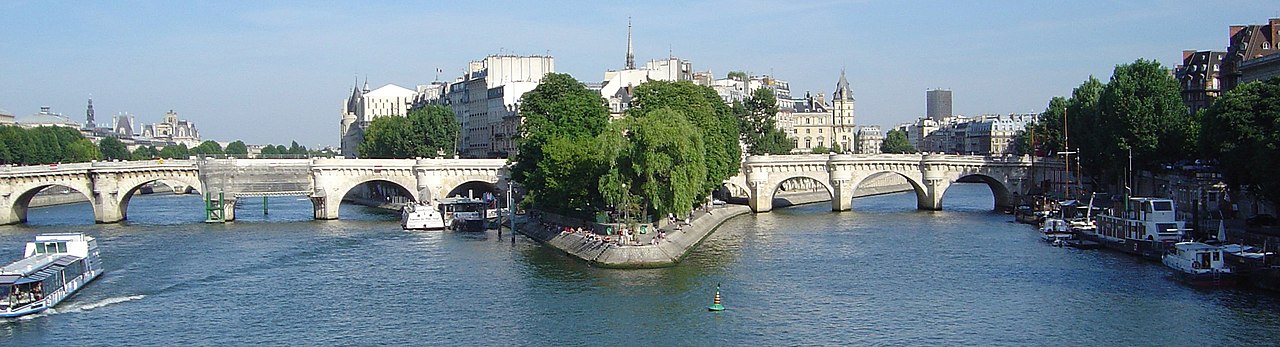


Characteristics
Confluences often display visible signs where waters merge: a line of foam or turbidity, differing colors of the two flows, and zones of turbulence or eddies. Physical characteristics that vary at confluences include discharge (combined flow volume), velocity gradients, and patterns of sediment deposition that can form bars and islands. The exact conditions depend on relative size, slope, sediment load and seasonal discharge of the joining waterways.
Formation and processes
When a smaller river meets a larger one, momentum and density contrasts cause mixing, shear and sometimes instabilities that reshape channel geometry. Confluences may promote scouring near the junction and deposition downstream, influencing channel migration. In tidal or saline environments the meeting of fresh and salt water creates additional layering and mixing processes distinct from inland river confluences.
Ecological and human importance
Confluences are ecologically productive: they can increase habitat diversity, concentrate nutrients and serve as corridors for fish and other organisms. Humans have long favored settlement at confluences for transportation, trade, defense and freshwater supply. Confluence points are also significant in culture and religion in many regions, often becoming sites for towns, markets and pilgrimage.
Uses, examples and distinctions
- Uses: navigation hubs, hydropower sites, flood control planning and ecological conservation.
- Examples: well-known river junctions worldwide illustrate varied behavior—urbanized confluences differ greatly from braided, alpine or tidal joins.
- Distinctions: a confluence is not the same as a river mouth or estuary; a mouth is where a river enters a sea, while an estuary involves sustained tidal mixing. A confluence normally refers to freshwater channels meeting inland.
For broader context about waterways and tributary systems see general resources on two or more waterways and the role of a smaller river in watershed networks.
Related articles
Author
AlegsaOnline.com Confluence (hydrology): where rivers and waterways meet Leandro Alegsa
URL: https://en.alegsaonline.com/art/22489