
Dosimeter: Instruments for Measuring Exposure to Physical Hazards
A dosimeter is an instrument that quantifies a person’s or location’s cumulative exposure to physical hazards such as ionizing radiation or sound. This article explains types, components, history, uses and distinctions.
Overview
A dosimeter is a device designed to measure or estimate the accumulated exposure to a physical hazard over time. Commonly the term applies to instruments that record ionizing radiation or sound levels, but it can also refer to devices for other hazards. For a general introduction to what a dosimeter does see basic dosimeter information. The concept centers on integrating exposure rather than giving a single instantaneous reading (measurement concepts).
Image gallery
10 Images





Types and components
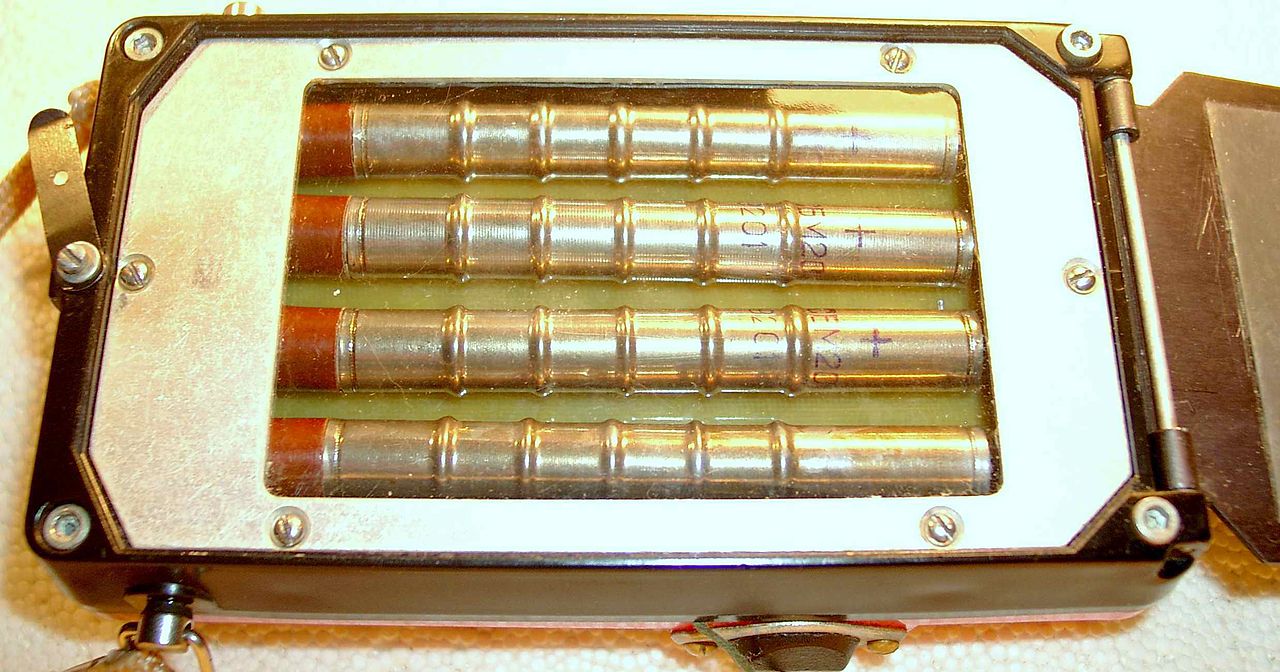
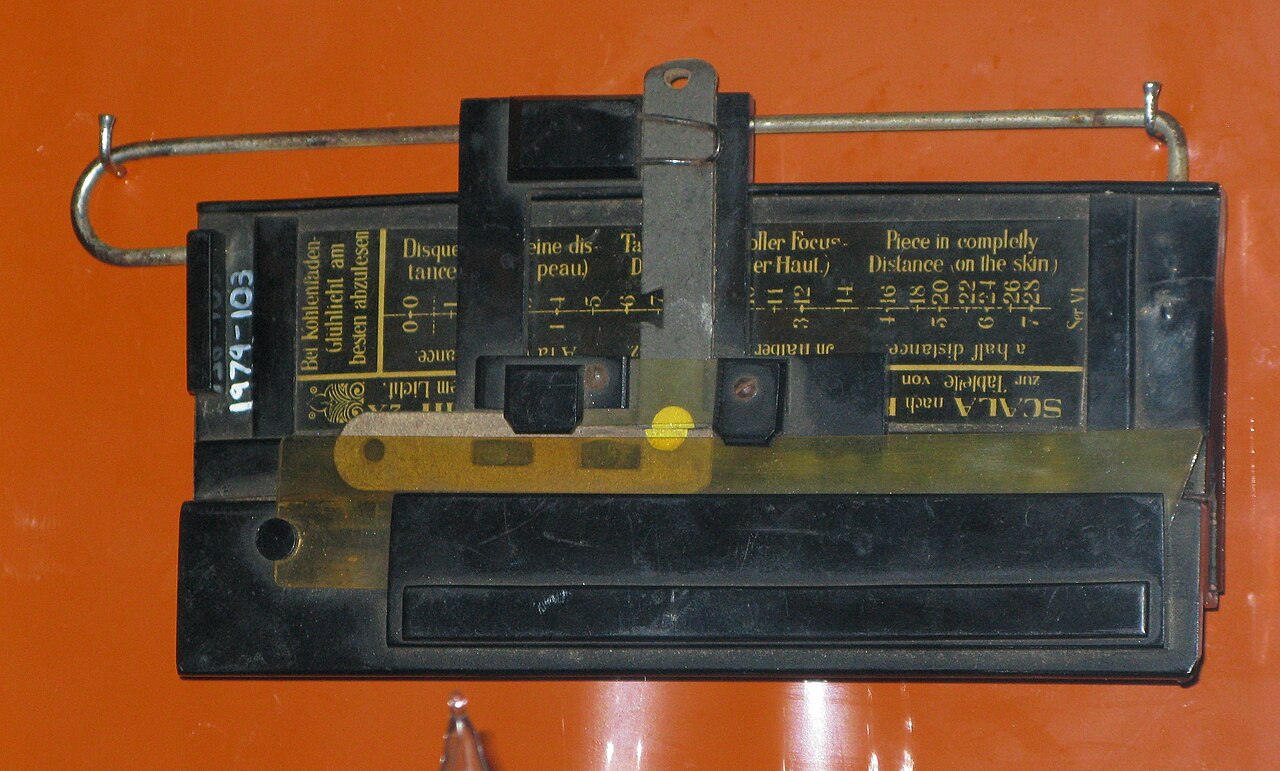
Dosimeters vary by technology, range and purpose. Typical types include personal, area and electronic models. Key parts are a sensing element, a mechanism to integrate exposure, and a readout or data storage. Examples:
- Radiation dosimeters: film badges, thermoluminescent dosimeters (TLDs), electronic personal dosimeters (radiation dosimetry).
- Sound dosimeters: wearable instruments that log cumulative noise dose and peak levels (sound dosimetry).
- Other specialized sensors used for chemical or optical exposure, sometimes called dosimeters in occupational contexts (hazard categories).
History and development
Early dosimetry developed alongside X‑ray and radioactivity research in the early 20th century. Film and photographic methods were among the first practical solutions; later electronic sensors and integrated circuits enabled real‑time readouts and data logging. Regulatory standards evolved to define acceptable exposure limits and calibration procedures (environmental and regulatory context).
Uses and importance
Dosimeters are widely used in medicine, industry, research and occupational safety to protect workers and the public. In hospitals they monitor staff exposure during imaging and therapy; in industry they track plant and laboratory personnel; in construction and entertainment, sound dosimeters help prevent hearing damage by quantifying noise dose (noise measurement).
Distinctions and practical notes
Dosimeters differ from simple meters because they record cumulative dose rather than only instantaneous intensity. Choice of dosimeter depends on expected exposure type, sensitivity, calibration needs and required record keeping. Proper use includes regular calibration, correct placement on the body or in the area of interest, and interpretation against relevant exposure limits.
Related articles
Author
AlegsaOnline.com Dosimeter: Instruments for Measuring Exposure to Physical Hazards Leandro Alegsa
URL: https://en.alegsaonline.com/art/28613