
Doom II: The Sequel That Expanded Classic Doom's Design and Community
Doom II (1994) is the direct sequel to Doom, built on the same engine, adding new levels, enemies and the Super Shotgun; it reinforced modding culture and influenced later first-person shooters.
Overview
Doom II is the direct follow-up to id Software's landmark first-person shooter. The title is commonly styled as Doom II and was published as a sequel to the original first-person shooter, Doom. Released in 1994, the game continued the fast-paced, corridor-and-arena combat of its predecessor while increasing the challenge and introducing a compact set of new content and enemies. The sequel retained the underlying technology and core mechanics but focused on fresh level design and new encounters to extend the series' signature gameplay.
Image gallery
6 Images



Gameplay, Levels, and Mechanics
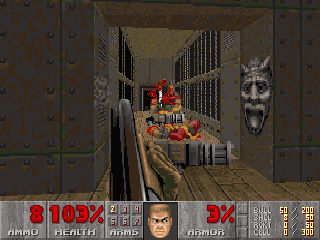
Doom II uses the same engine as the original Doom, which allowed the sequel to deliver a familiar feel while adding larger and more complex maps. The main game contains 32 levels, including two secret maps, and is widely noted for its tougher difficulty curve compared to the first entry. Players advance through a mix of tight indoor arenas, outdoor vistas, and labyrinthine bases, collecting weapons, ammunition, keys and health while navigating traps and ambushes.
One of the most talked-about additions is a new weapon: the Super Shotgun. This double-barreled shotgun consumes two shotgun shells per shot and delivers significantly greater stopping power than the standard shotgun; it hits harder than the normal Shotgun and features a noticeably wider hit box, making it effective at close range. Other elements—ammo types, puzzles based on switches and level geometry, and key-based progression—remain central to the experience.
Enemies and Boss
The sequel expanded the roster of adversaries to create fresh tactical challenges. New enemy types introduced in this installment include:
- Mancubus – a heavy, fireball-throwing brute with frontal attacks.
- Arachnotron – a fast, turret-like spider with a chaingun.
- Chaingunner – an accurate, sustained-fire humanoid gunner.
- Pain Elemental – a spawner that produces flying Lost Souls.
- Revenant – a skeletal, rocket-launching foe with homing attacks.
- Hell Knight – a durable melee-focused demon.
- Arch-vile – a tactical enemy that summons and attacks with devastating fire.
The campaign culminates with a single, large-scale antagonist commonly referred to as the Icon of Sin, which provides a memorable finale and a departure from standard monster encounters.
Expansions, Modding, and Community
From the beginning, Doom II was built around a flexible file format that enabled community-made levels and modifications (WAD files). Officially released add-ons include the Master Levels for Doom II, a set of 20 levels created by various contracted authors, and later the commercial expansion No Rest for the Living, which was distributed on platforms such as Xbox Live Arcade for newer hardware. The game's moddability quickly spawned a vibrant community that produced countless custom episodes, total conversions and modern remakes.
Legacy and Influence
Doom II consolidated many design ideas that helped define mid-1990s shooters: tightly tuned weapon balance, encounter-driven map layout, and an emphasis on pacing and replayability. Although it reused the engine of its predecessor, the new enemies, the Super Shotgun's role in combat, and the more demanding level design influenced later titles in the genre. The game's files and modding-friendly architecture have kept it active in hobbyist circles, speedrunning, and retro gaming communities for decades, and it remains a common reference point when discussing the evolution of first-person shooters.
Notable Facts and Distinctions
Unlike many sequels that expand dramatically in scope, Doom II is notable for its focused additions: a single new primary weapon, a roster of tougher monsters and a set of new maps that increased difficulty and variety. Its compatibility with original Doom resources and the quick release after the first game helped sustain player interest and fostered early modding practices that persist today. For further context on the series and its place in gaming history, readers can consult retrospective resources and community archives that document the game's ongoing cultural impact.
Related links: Doom II naming, sequel context, FPS genre, original Doom, 1994 release, shotgun shells, normal shotgun, hit box details, No Rest for the Living.
Related articles
Author
AlegsaOnline.com Doom II: The Sequel That Expanded Classic Doom's Design and Community Leandro Alegsa
URL: https://en.alegsaonline.com/art/28501