
Dollar store
A retail format selling a wide range of low-cost everyday goods. Originating from single-price shops, modern dollar stores now offer varied low-priced items across North America and beyond.
Overview
A dollar store is a discount retail format that focuses on selling everyday household, personal care, and seasonal items at low price points. While originally defined by a single-price model (typically one dollar), many chains have shifted to multiple low-price tiers while keeping a value-oriented image. The format is common in North America and has parallels in other regions under different names.
Image gallery
9 Images


Typical characteristics
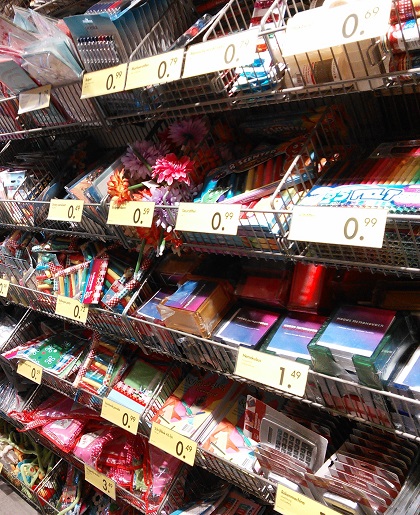
These stores are usually compact, with simple fixtures and high product density to maximize selection per square foot. Inventory mixes often combine national brands, private-label goods and overstocks sourced from manufacturers or liquidators. Pricing strategies emphasize perceived value rather than premium quality, and frequent turnover helps keep shelves stocked with seasonal and promotional items.
Common products
- Household and cleaning supplies
- Non-perishable food, snacks and beverages
- Personal care and health basics
- Party goods, stationery and toys
- Seasonal decor and small kitchenware
History and development
The dollar-store concept evolved from earlier variety and "five-and-dime" stores of the 19th and 20th centuries that sold many inexpensive items under one roof. In the late 20th century, dedicated single-price and low-price chains emerged and expanded rapidly. Over time the model diversified: some chains retained a strict single-price approach, while others introduced multiple price points and expanded assortments to remain competitive.
Uses, importance and criticisms
For shoppers, dollar stores provide convenient access to low-cost essentials and impulse purchases, particularly in areas with fewer full-service supermarkets or drugstores. Critics point to concerns about product quality, limited fresh-food offerings, and effects on local independent retailers. Supporters argue these stores meet real demand for affordable everyday items and can offer employment and convenience in underserved neighborhoods.
Notable distinctions
Within the category, distinctions include single-price versus multi-price chains, urban versus rural store strategies, and the mix between national brands and private-label inventory. The format continues to adapt: some operators add grocery items and larger-format stores, while others focus tightly on ultra-low-cost assortments.
Related articles
Author
AlegsaOnline.com Dollar store Leandro Alegsa
URL: https://en.alegsaonline.com/art/28226
Sources
- nytimes.com : "Lamston Still Small and Local"