
Duchy of Bouillon: a small independent polity centered on Bouillon Castle
A compact history and overview of the Duchy of Bouillon, a small polity centered on Bouillon in the Ardennes, its rulers, legal status within the Holy Roman Empire, revolutionary changes and modern legacy.
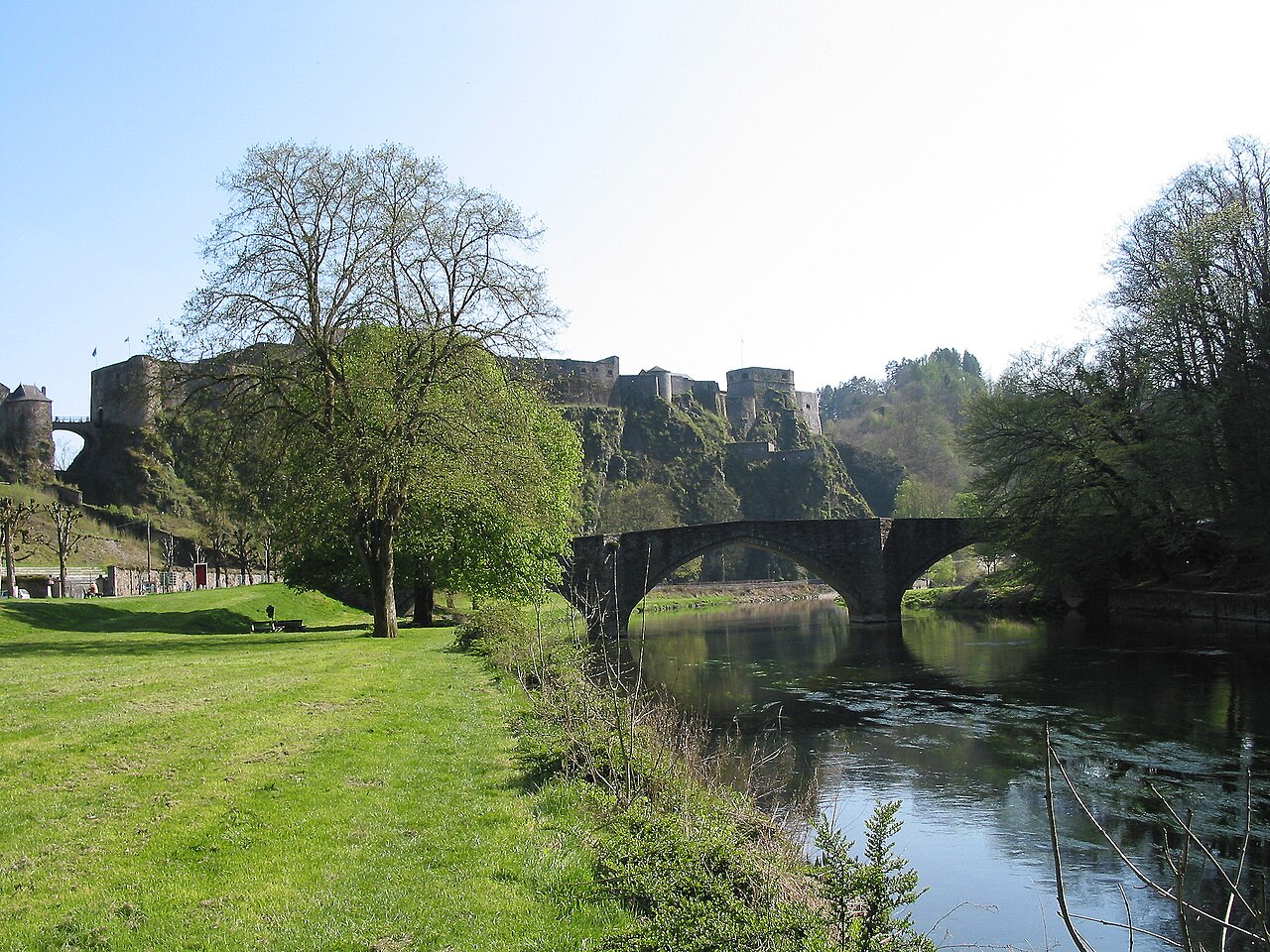
The Duchy of Bouillon was a compact polity in the Ardennes region, centered on the fortress town of Bouillon on the Semois River. Located between the historical regions of Luxembourg, Champagne and the Three Bishoprics, it held an outsized military and symbolic importance for a territory of limited extent. Its capital was the town of Bouillon, today in the Belgian province of Luxembourg; the area's medieval castle and town remain the main surviving markers of the duchy’s former identity.
Image gallery
10 Images


Territory, government and ruling house
Throughout the later Middle Ages and the early modern period the territory was ruled by a succession of local lords and, from the later medieval centuries, was associated with the French noble House of La Tour d'Auvergne. The family styled itself dukes of Bouillon and passed the dynastic heir the courtesy title Prince of Turenne. Formally the duchy was treated at various times as an immediate estate within the orbit of the Holy Roman Empire, a status that reflected its legal standing rather than great size or resources.
Historical development
The lordship of Bouillon dates to the Middle Ages and is best known in popular memory as the domain linked to Godfrey of Bouillon, a leading figure of the First Crusade who carried the name of Bouillon into wider European history. Over the centuries the fortress changed hands and its sovereignty was sometimes disputed by neighboring powers, notably the French crown. From the fifteenth century the La Tour d'Auvergne family asserted dynastic control, a claim they maintained until the upheavals of the late eighteenth century.
The French Revolutionary wars brought decisive change. In 1794 revolutionary forces occupied the territory and for a brief period the polity proclaimed itself a republican regime. Revolutionary and Napoleonic administrations then absorbed the duchy into France. After the fall of Napoleon the old independent status was not revived as an enduring, sovereign duchy; subsequent diplomatic settlements placed the territory within larger states, and it ultimately became part of what is now Belgium.
Notable persons and legacy
- Godfrey of Bouillon — one of the most famous medieval lords associated with the name Bouillon and the First Crusade.
- The La Tour d'Auvergne family — included prominent members such as the celebrated 17th-century military leader known as Marshal Turenne; the family continued to style itself as ducal house even after loss of territorial sovereignty.
- Bouillon Castle — a well-preserved medieval fortress that dominates the town and serves as a museum and tourist attraction, preserving the tangible heritage of the former polity.
Significance and distinguishing features
The Duchy of Bouillon is often cited as an example of the many small, quasi-independent lordships that made up pre-modern Europe: limited in area but important strategically because of fortifications and border position. Its mixture of French cultural ties, legal connection to the Holy Roman Empire, and late recognition as a brief revolutionary republic illustrate the ambiguous and changing nature of sovereignty in the region. References to the duchy appear in studies of crusader lords, French noble genealogies, and the political geography of the Low Countries.
For those seeking concise references or more detailed archival records, look for specialized works on Ardennes history, the La Tour d'Auvergne family, and the administrative changes in the Low Countries after the French Revolutionary Wars. Modern treatments of the town of Bouillon and local museums also provide accessible introductions to the duchy’s history and material culture, while regional histories explain its relation to neighboring areas such as Luxembourg.
Related articles
Author
AlegsaOnline.com Duchy of Bouillon: a small independent polity centered on Bouillon Castle Leandro Alegsa
URL: https://en.alegsaonline.com/art/29110