
Division of Reid (Australian federal electoral division)
An inner-west Sydney federal electorate created in 1922, named for Sir George Reid. Covers a mix of residential, industrial and commercial suburbs including Sydney Olympic Park and waterside precincts.
Overview
The Division of Reid is a federal electoral division in the inner-west region of Sydney, in the state of New South Wales. Established in 1922, it was named for Sir George Reid, a prominent 19th‑century politician who served as Premier of New South Wales and later became the fourth Prime Minister of Australia; biographical and historical background on him can be found via links such as Sir George Reid and general lists of Australian prime ministers at prime ministerial lists. The Australian Electoral Commission publishes official descriptions and maps of the division; see the electoral division profile for current boundaries and administrative details.
Image gallery
10 Images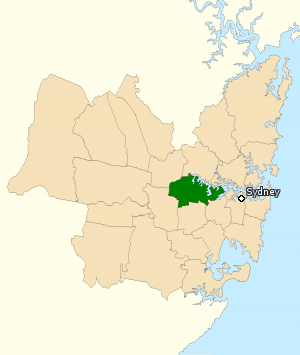



Geography and built environment
Reid occupies a corridor of suburbs that border the Parramatta River and extend inland into Sydney's inner west. The electorate includes a variety of urban environments: low‑density residential streets, medium‑density apartment precincts, riverside parkland, commercial centres and former industrial sites that have been redeveloped. Key nodes within the division include the Sydney Olympic Park precinct, major shopping and transport interchanges, and several ferry, rail and road connections that link the area to the Sydney central business district and greater metropolitan region. For regional context see Sydney maps and transport.
Suburbs and notable places
The division covers a number of well‑known suburbs and localities. Prominent suburbs and parts of suburbs include:
- Abbotsford, Breakfast Point, Cabarita, Canada Bay
- Chiswick, Concord, Concord West, Drummoyne, Five Dock
- Homebush, Homebush West, Liberty Grove, Lidcombe
- Mortlake, Newington, North Strathfield, Rhodes
- Rodd Point, Russell Lea, Silverwater, Sydney Olympic Park
- Wareemba, Wentworth Point, and parts of Auburn, Berala, Burwood, Croydon and Strathfield
These suburbs illustrate the division's mix of older suburban housing, waterfront redevelopment sites and areas that experienced major change around the 2000 Sydney Olympics and subsequent urban renewal projects. Local government, land use and community services intersect here; further local information may be obtained from the relevant councils and planning resources such as state planning pages.
History and political character
Since its creation in the early 20th century, the Division of Reid has undergone numerous boundary redistributions reflecting population shifts in Sydney. Its political representation has changed hands between major parties over time; like many inner‑city and inner‑suburban electorates it includes a diverse electorate in terms of socio‑economic background, cultural heritage and housing tenure. Redistributions and demographic trends influence electoral outcomes, and the division has been the focus of campaigns that address local infrastructure, transport, housing and employment.
Importance and contemporary issues
Reid is notable for containing parts of the Parramatta River corridor and the Sydney Olympic Park area — locations of ongoing urban renewal, sporting and cultural facilities, and environmental management challenges. Local issues commonly raised by residents include public transport capacity, river and foreshore health, heritage conservation in older suburbs, and the provision of community services as new apartment developments increase population density. For electoral data, current member information and voting history consult official sources such as the Electoral Commission and publicly available election analyses; regional historical resources and lists of state premiers are available at premiers' records and other government archives like federal records.
Further reading and resources
Readers seeking maps, detailed boundary descriptions and demographic statistics should consult official publications and the division's profile from electoral authorities or local government portals. Broader historical context about the division's namesake and the political development of New South Wales may be found through the linked resources above and specialist histories of Australian federal electorates: see also biographical sources and regional studies at state archives.
Questions and answers
Q: What is the Division of Reid?
A: The Division of Reid is an electoral division in the state of New South Wales, Australia.
Q: Who is the division named after?
A: The division is named after Sir George Reid, a former Premier of New South Wales and the fourth Prime Minister of Australia.
Q: When was the division set up?
A: The division was set up in 1922.
Q: Where is the Division of Reid located?
A: The Division of Reid is located in the inner-western suburbs of Sydney.
Q: What are some of the suburbs included in the Division of Reid?
A: Some of the suburbs included in the Division of Reid are Abbotsford, Breakfast Point, Cabarita, Canada Bay, Chiswick, Concord, Concord West, Drummoyne, Five Dock, Homebush, Homebush West, Liberty Grove, Lidcombe, Mortlake, Newington, North Strathfield, Rhodes, Rodd Point, Russell Lea, Silverwater, Sydney Olympic Park, Wareemba, and Wentworth Point.
Q: Which other areas are covered by the Division of Reid?
A: The Division of Reid also includes parts of Auburn, Berala, Burwood, Croydon, and Strathfield.
Q: Why is the Division of Reid important?
A: The Division of Reid is important as it represents the interests of the local population in the Australian political system, giving them a voice in federal government.
Related articles
Author
AlegsaOnline.com Division of Reid (Australian federal electoral division) Leandro Alegsa
URL: https://en.alegsaonline.com/art/27963
Sources
- vtr.aec.gov.au : "NSW Division – Reid, NSW"
- aec.gov.au : "Profile of the electoral division of Reid (NSW)"
- abc.net.au : "Electorates: Reid"