
Division of McMahon (Australian federal electoral division)
An Australian federal electorate in western Sydney established in 2010, named for Sir William McMahon. It covers a mix of residential, commercial and light industrial suburbs and is periodically adjusted by redistribution.
Overview
The Division of McMahon is a federal electoral division in the western suburbs of Sydney, New South Wales. It was created ahead of the 2010 federal election following an electoral redistribution and replaced the former Division of Prospect. The division is named for Sir William McMahon, a former Australian prime minister who served in the early 1970s. For official maps and technical details see the division profile.
Image gallery
4 Images


Boundaries and suburbs
Boundaries are set by the Australian Electoral Commission and can change at each redistribution, so the exact footprint of McMahon varies over time. The electorate combines established residential suburbs, newer housing developments and areas of light industry and commercial activity in western Sydney. It lies within the state of New South Wales and forms part of the wider Sydney metropolitan region (Greater Sydney).
- Abbotsbury
- Blacktown (part)
- Bossley Park
- Canley Vale
- Cecil Park
- Eastern Creek
- Edensor Park
- Erskine Park
- Fairfield
- Fairfield Heights
- Fairfield West
- Greenfield Park
- Greystanes
- Horsley Park
- Kemps Creek
- Merrylands (part)
- Merrylands West
- Mount Vernon
- Orchard Hills
- Pemulwuy
- Prairiewood
- Prospect
- Smithfield
- South Wentworthville (part)
- St Clair
- Wetherill Park
History and name
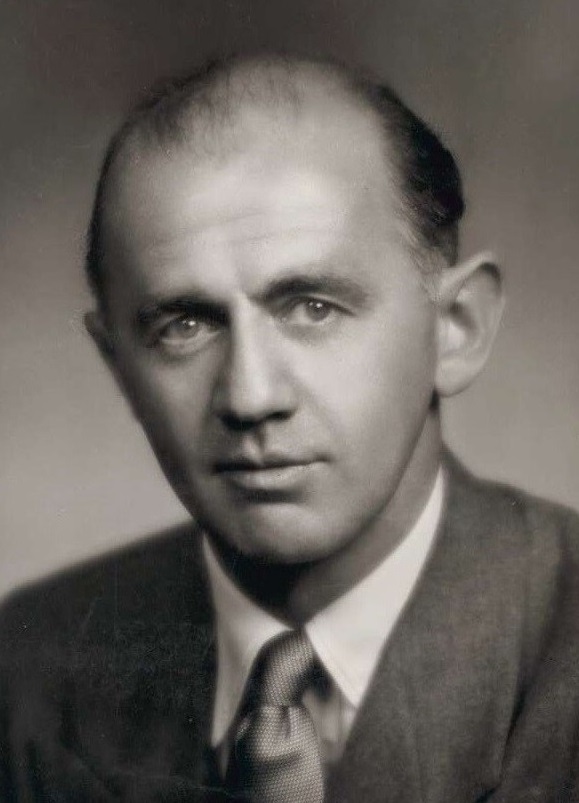
McMahon was established as part of a redistribution to reflect population changes in Sydney's western suburbs. The new division adopted much of the area formerly in Prospect, keeping continuity in local communities and issues. It honours Sir William McMahon; readers seeking background on the individual may consult biographical and historical resources such as the Sir William McMahon page.
Character and demographics
The electorate encompasses a socially and culturally diverse population, with a mix of long-established Australian families and more recent immigrants. Housing ranges from older suburban streets to newer estates, and the local economy includes retail centres, light industrial parks and commercial services. Transport corridors and employment hubs influence commuting patterns and local priorities.
Politics and significance
As a federal electorate, McMahon returns one member to the House of Representatives. Voting patterns reflect local concerns such as infrastructure, transport, services and employment, and can be affected by redistributions that change the electorate's composition. For state-level context and statistics see state resources and New South Wales electoral information.
Further information
Electors, researchers and anyone interested in contemporary boundaries, detailed maps and past results can consult official election authorities and archived material. Useful starting points include the Australian Electoral Commission's division pages and historical summaries (division profile, electoral history). Additional regional context is available through resources on Greater Sydney.
Questions and answers
Q: What is the Division of McMahon?
A: The Division of McMahon is an electoral division in the state of New South Wales, Australia.
Q: When was the Division of McMahon set up?
A: The Division of McMahon was set up in 2010.
Q: Who is the Division of McMahon named after?
A: The Division of McMahon is named after Australian Prime Minister Sir William McMahon.
Q: Which division did the Division of McMahon replace?
A: The Division of McMahon replaced the division of Prospect.
Q: Which areas are covered by the Division of McMahon?
A: The Division of McMahon covers the western suburbs of Sydney, including Abbotsbury, Blacktown, Bossley Park, Canley Vale, Cecil Park, Eastern Creek, Edensor Park, Erskine Park, Fairfield, Fairfield Heights, Fairfield West, Greenfield Park, Greystanes, Horsley Park, Kemps Creek, Merrylands, Merrylands West, Mount Vernon, Orchard Hills, Pemulwuy, Prairiewood, Prospect, Smithfield, South Wentworthville, St Clair and Wetherill Park.
Q: Which state does the Division of McMahon belong to?
A: The Division of McMahon belongs to the state of New South Wales.
Q: What kind of area is covered by the Division of McMahon?
A: The Division of McMahon covers the western suburbs of Sydney, which are mostly residential areas.
Related articles
Author
AlegsaOnline.com Division of McMahon (Australian federal electoral division) Leandro Alegsa
URL: https://en.alegsaonline.com/art/27933
Sources
- vtr.aec.gov.au : "NSW Division - McMahon, NSW"
- aec.gov.au : "Profile of the electoral division of McMahon (NSW) (formerly Prospect)"