
Diyarbakır: historic city on the Tigris in southeastern Turkey
Diyarbakır is a major southeastern Turkish city on the Tigris, known for its ancient basalt walls, multicultural heritage and role as a cultural center for Kurdish and Anatolian communities.
Overview
Diyarbakır (Kurdish: Amed) is a large city in southeastern Turkey, situated on the banks of the Tigris River. It is a regional administrative, commercial and cultural center with a long urban history stretching back to antiquity. The city today is an important hub for transportation, education and trade in the region, and it is widely recognized for its distinctive black basalt architecture and well-preserved defensive walls.
Image gallery
10 Images




Characteristics and major landmarks
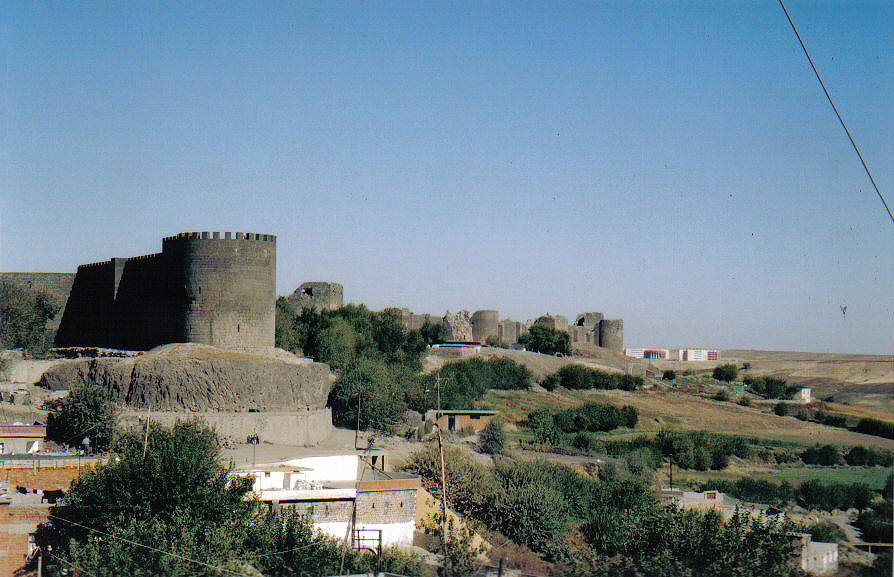
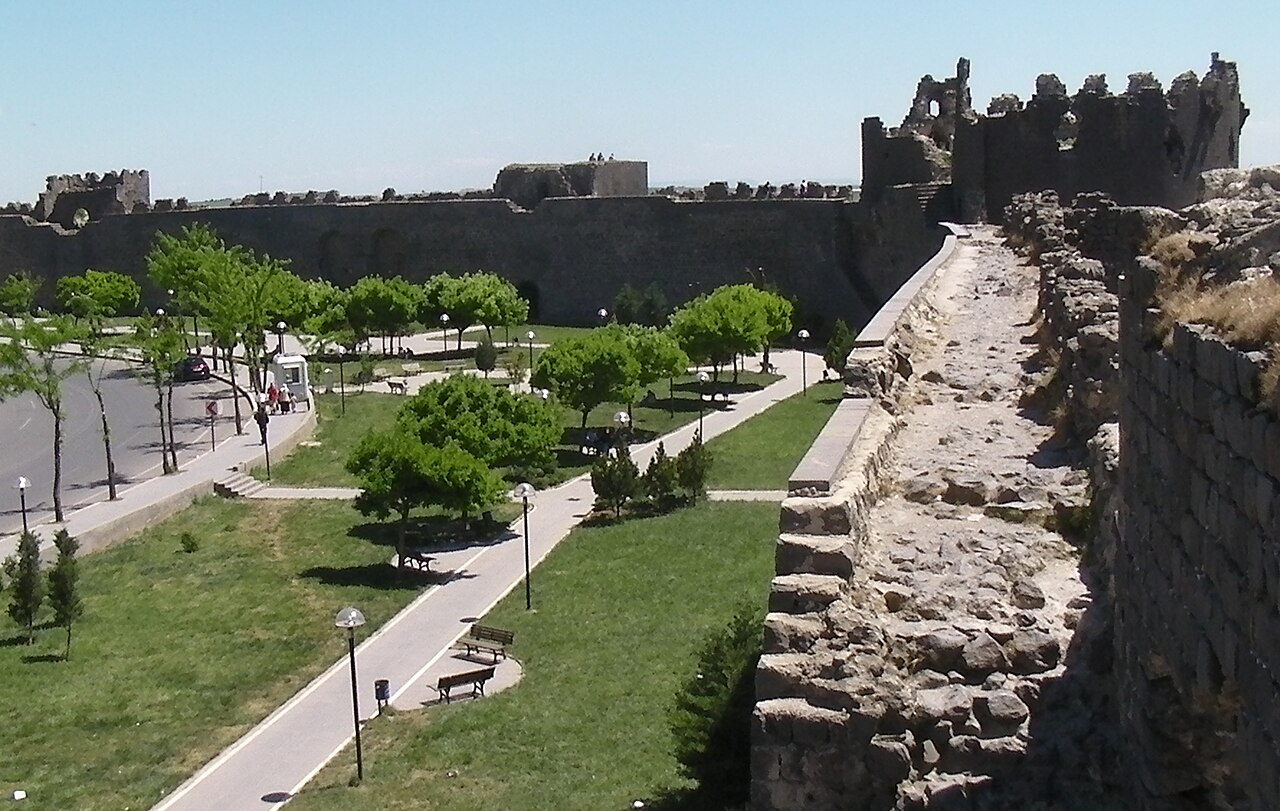
Diyarbakır's most famous feature is its extensive city walls and fortress complex, built largely from dark basalt and often cited as among the longest and best-preserved fortifications in the world. Within and around the walled old town are notable monuments including the Great Mosque (Ulu Cami), historic madrasas, caravanserais and traditional bazaars. The riverside Hevsel Gardens, irrigated agricultural terraces beside the Tigris, form an important green belt for the city and have been recognized for their cultural landscape value.
History and name
The site has been inhabited since ancient times and has been ruled by a succession of empires and states, including Assyrian, Roman, Byzantine, Islamic caliphates, and the Ottoman Empire. The medieval Arabic name Diyar Bakr referred to the territory associated with the Arab Bakr tribe; over time the name evolved in Turkish usage to Diyarbakır, sometimes rendered as meaning "land of copper" in Turkish folk etymology. National reforms in the early 20th century led to the modern Turkish form being standardized; the city's Kurdish name, Amed, remains widely used locally.
Culture, language and population
Diyarbakır is a multicultural city with a majority Kurdish-speaking population alongside Turkish speakers and communities with Assyrian, Armenian and other historical ties. Kurdish cultural life is visible in music, dance, festivals such as Newroz, and in local cuisine. Population figures have grown over the decades; in recent years the metropolitan area has housed roughly around a million residents, though estimates vary by source.
Economy, education and contemporary role
The city's economy combines public administration, services, education, agriculture from surrounding plains, and small-scale industry. Diyarbakır hosts universities and cultural institutions that serve the wider region, contributing to research, arts and professional training. Urban development and conservation efforts have aimed to balance modernization with protection of historic fabric, a matter of local and national attention.
Notable facts and distinctions
- The basalt city walls and adjacent Hevsel Gardens have received attention for their cultural and historic significance.
- The city's layered history makes it a point of interest for archaeology and Near Eastern studies.
- Political and social developments in the region have affected Diyarbakır's public life and governance, and the city figures prominently in discussions about cultural rights and regional policy.
Diyarbakır's long urban continuity, striking stone architecture, and role as a crossroads of languages and traditions make it a prominent center in southeastern Anatolia. For more context or administrative information, see links for the Kurdish name, the country, the Tigris, and historical references such as Mustafa Kemal Atatürk and regional identifiers like Northern Kurdistan.
Outline
By court decision, the city received a lord mayor's office on 28 December 1993 and was declared a metropolitan municipality. Since then, the urban area covers 2060 km². The city consists of 82 districts (tr: Mahalle) and four municipalities. These are called Bağlar, Kayapınar, Sur and Yenişehir. The four municipalities are also counties of Diyarbakır province. After the territorial reform of 2014, all municipalities of the remaining counties in the province were directly subordinated to the mayor.
Politics
In the 2014 municipal elections, Gültan Kışanak (BDP) was elected mayor. Since the BDP sought to establish more political equality between men and women, but local law does not recognize a formal dual leadership for the mayoralty, a deputy of the opposite sex with equal rights was formally appointed in each of the mayoralties won by the BDP. In Diyarbakır, the deputy was Fırat Anlı. In the media, they are called co-mayors. On October 25, 2016, both were arrested on suspicion of terrorism offenses. On November 1, Cumali Atilla was appointed as a forced administrator. Anlı was conditionally released on July 14, 2017. Kışanak remains in custody. (As of September 2018)
City Council
| Party / List | Election 2019 | |
| Share of votes | Seats | |
| Halkların Demokratik Partisi (HDP) | 62,3 % | |
| Adalet ve Kalkınma Partisi (AKP) | 31,1 % | |
| Saadet Partisi (SAADET) | 3,1 % | |
| 2,1 % | ||
Related articles
Author
AlegsaOnline.com Diyarbakır: historic city on the Tigris in southeastern Turkey Leandro Alegsa
URL: https://en.alegsaonline.com/art/28019