
Disinformation: definition, methods, history and responses
Deliberately false information spread to deceive. Covers definition, techniques (forged documents, images, rumors), historical echoes, effects on society, and common countermeasures.
Overview
Disinformation is information that is false or misleading and deliberately spread to influence opinions or obscure the truth. Intent is the defining feature: unlike accidental errors, disinformation is produced or amplified to deceive, confuse, destabilize, or gain advantage. For a concise external definition see a reference.
Image gallery
5 Images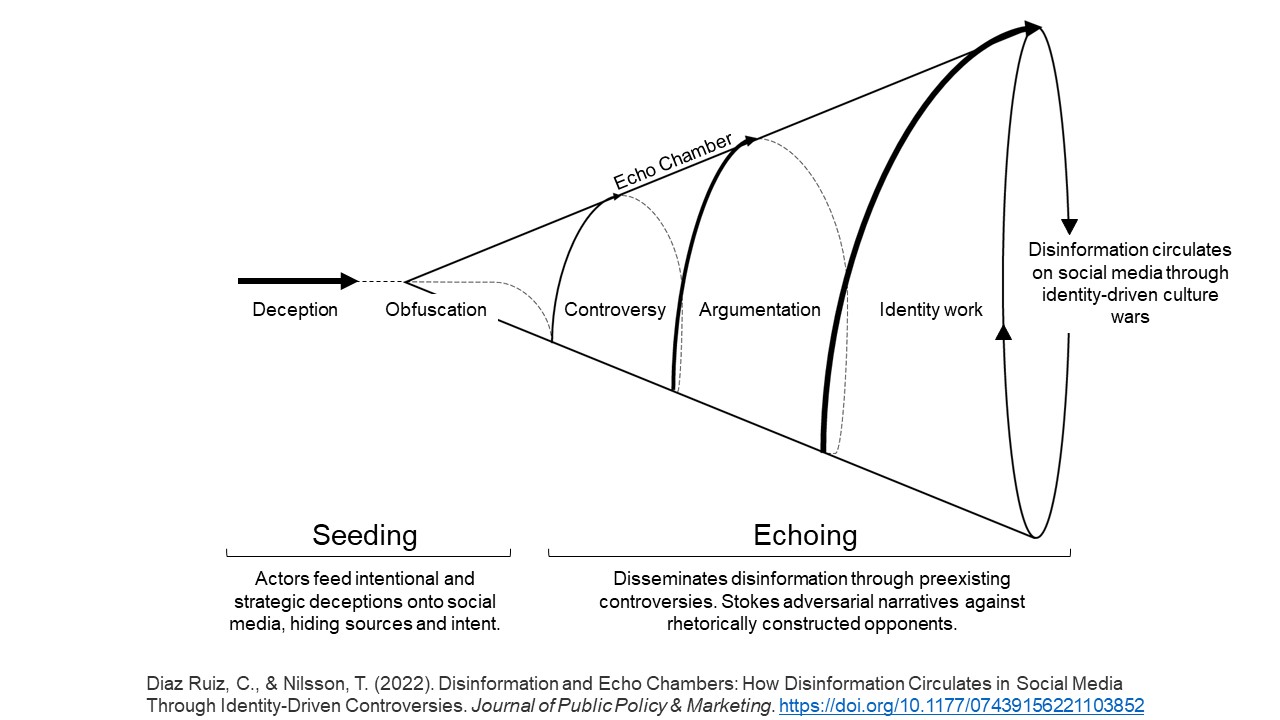



Characteristics and methods
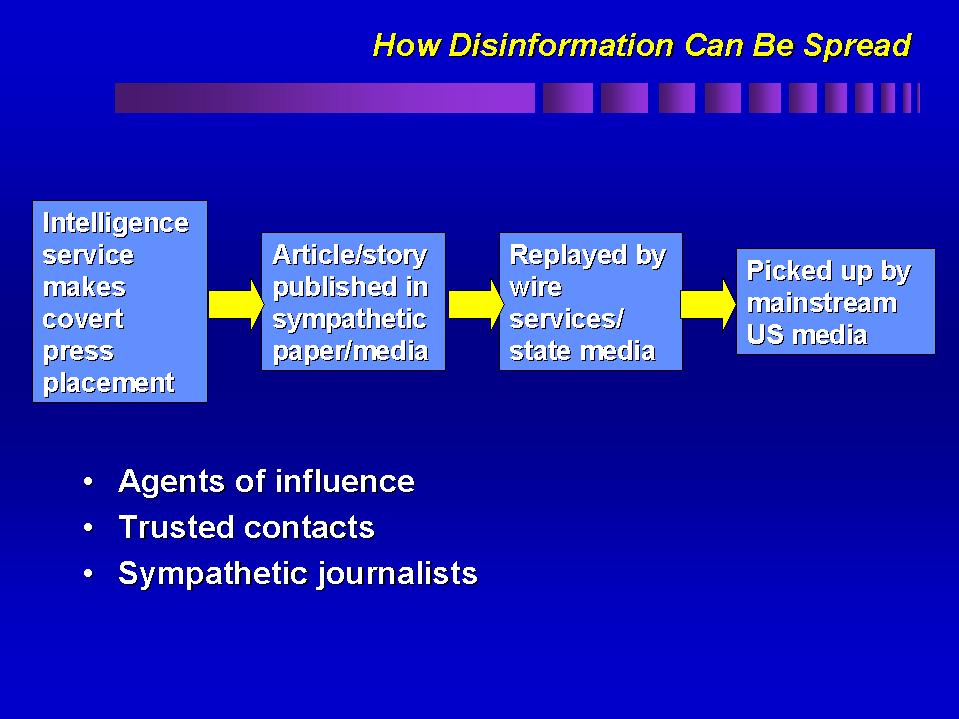
Disinformation can take many forms. Common techniques include the distribution of counterfeit or altered documents, fake photographs, fabricated intelligence, and persistent rumors. Examples of channels and tactics are listed below.
- Forged or doctored paperwork and media — counterfeit documents and manipulated images are used to create false narratives; see examples of forged materials here and here.
- Fabricated texts and reports — invented manuscripts or investigative-sounding pieces that appear authoritative (sample).
- False intelligence and rumor campaigns — circulating invented facts and tips to shape perceptions or policy debates (case studies).
- Modern amplification — social media, bot networks, coordinated inauthentic behavior, and synthetic media (deepfakes) accelerate reach.
History and development
Although deliberate deception is as old as human communication, the term "disinformation" became prominent in the 20th century, particularly in statecraft and propaganda. With the rise of broadcast media and later the internet, the scale and speed of dissemination increased dramatically. Today, low-cost digital tools and automated accounts allow small groups or individuals to achieve wide influence.
Effects, uses, and responses
Disinformation can affect elections, public health, international relations, and social cohesion by eroding trust in institutions and shared facts. Responses combine technical, educational, and policy approaches: platform moderation, independent fact-checking, media literacy training, transparency measures, and legal or regulatory steps. Collective resilience relies on improving verification practices and promoting critical consumption of media.
Distinctions and notable points
It is useful to distinguish disinformation from similar concepts: misinformation is false information shared without intent to harm, while malinformation uses true information maliciously to cause harm. Identifying intent can be difficult, so analysts often rely on patterns of origin, timing, corroboration, and amplification to determine whether content is disinformation.
For further reading and resources consult the linked materials above and follow developments in media verification and policy debates.
Related articles
Author
AlegsaOnline.com Disinformation: definition, methods, history and responses Leandro Alegsa
URL: https://en.alegsaonline.com/art/27676
Sources
- bl.uk : "Learning Disinformation"
- google.com.au : "Google"