
Dual-Tone Multi-Frequency (DTMF) Signaling: How Telephone Touch-Tones Work
Learn how Dual-Tone Multi-Frequency (DTMF) touch-tones use paired low/high audio frequencies to encode keypad presses, how networks decode them, and their role in dialing, IVR, voicemail and VoIP.
Dual-tone multi-frequency (DTMF) is the signaling system used by many push-button telephones to communicate which key has been pressed. Each key generates a pair of audio tones that are sent down the line and recognized by switching equipment as a specific digit or symbol. DTMF is often called "touch tone" in everyday language.
Image gallery
4 Images


How it works
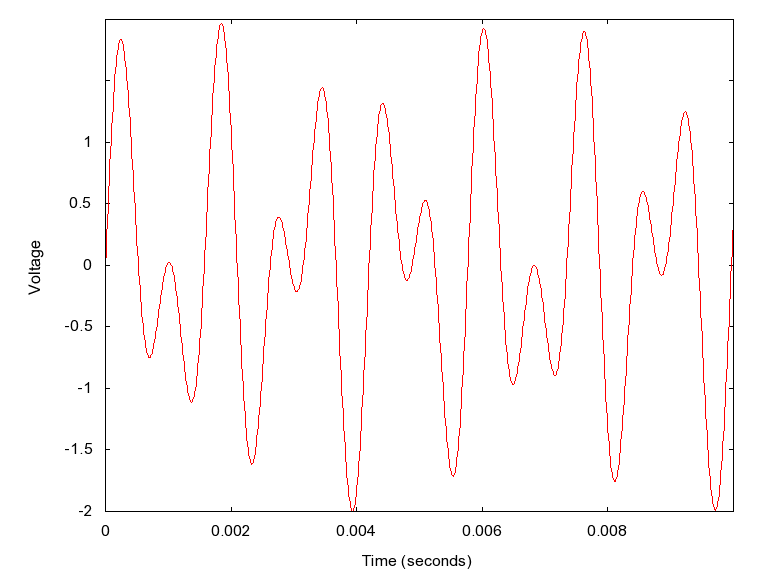
When a user presses a button on a DTMF keypad, the phone produces two simultaneous sinusoidal tones: one selected from a low-frequency group and one from a high-frequency group. The presence of that unique frequency pair identifies the pressed key. Network equipment or the receiving device detects the two frequencies and decodes them back into the corresponding digit or symbol.
Frequencies and key mapping
The standard DTMF system uses four low frequencies and four high frequencies. The common mapping for a 4×4 keypad is:
- Low-frequency group: 697 Hz, 770 Hz, 852 Hz, 941 Hz.
- High-frequency group: 1209 Hz, 1336 Hz, 1477 Hz, 1633 Hz.
Combining one frequency from each group produces the tones for each key. For the familiar 12-key telephone layout the assignments are:
- 1: 697 + 1209 Hz
- 2: 697 + 1336 Hz
- 3: 697 + 1477 Hz
- 4: 770 + 1209 Hz
- 5: 770 + 1336 Hz
- 6: 770 + 1477 Hz
- 7: 852 + 1209 Hz
- 8: 852 + 1336 Hz
- 9: 852 + 1477 Hz
- *: 941 + 1209 Hz
- 0: 941 + 1336 Hz
- # (pound): 941 + 1477 Hz
An extended set of keys labeled A, B, C, and D use the 1633 Hz column (paired with the four low frequencies); these are rarely found on consumer phones but have seen use in some specialized and military systems.
Common uses
DTMF is used primarily for dialing telephone numbers, but it also enables interactive services such as automated menus, banking by phone, voicemail navigation, and remote control of equipment. In modern digital telephony and VoIP systems, DTMF can be carried either as in-band audio tones or as separate signaling messages to avoid degradation by codecs.
Dialing and ringing
Pressing the keypad to initiate a call is called dialing. After the network receives the dialed digits and locates the destination, the network signals the called endpoint to produce an audible alert; that alert is called ringing. When the person at the far end answers, the network connects the audio paths so both parties can speak and listen.
Related articles
Author
AlegsaOnline.com Dual-Tone Multi-Frequency (DTMF) Signaling: How Telephone Touch-Tones Work Leandro Alegsa
URL: https://en.alegsaonline.com/art/29074