
Dollar sign ($): appearance, history, and common uses
Overview of the dollar/peso sign ($): its shapes, origins, typographic forms, monetary uses for dollars and pesos, computing roles, and distinctions between single- and double-stroke variants.
The dollar sign ($) is a widely recognized currency symbol used to denote units of money such as the dollar and the peso. It appears in many national currencies and in international contexts to indicate monetary amounts. Although most people identify it with the United States dollar, the same glyph is used by a range of countries and can represent different currencies depending on the context.
Image gallery
7 Images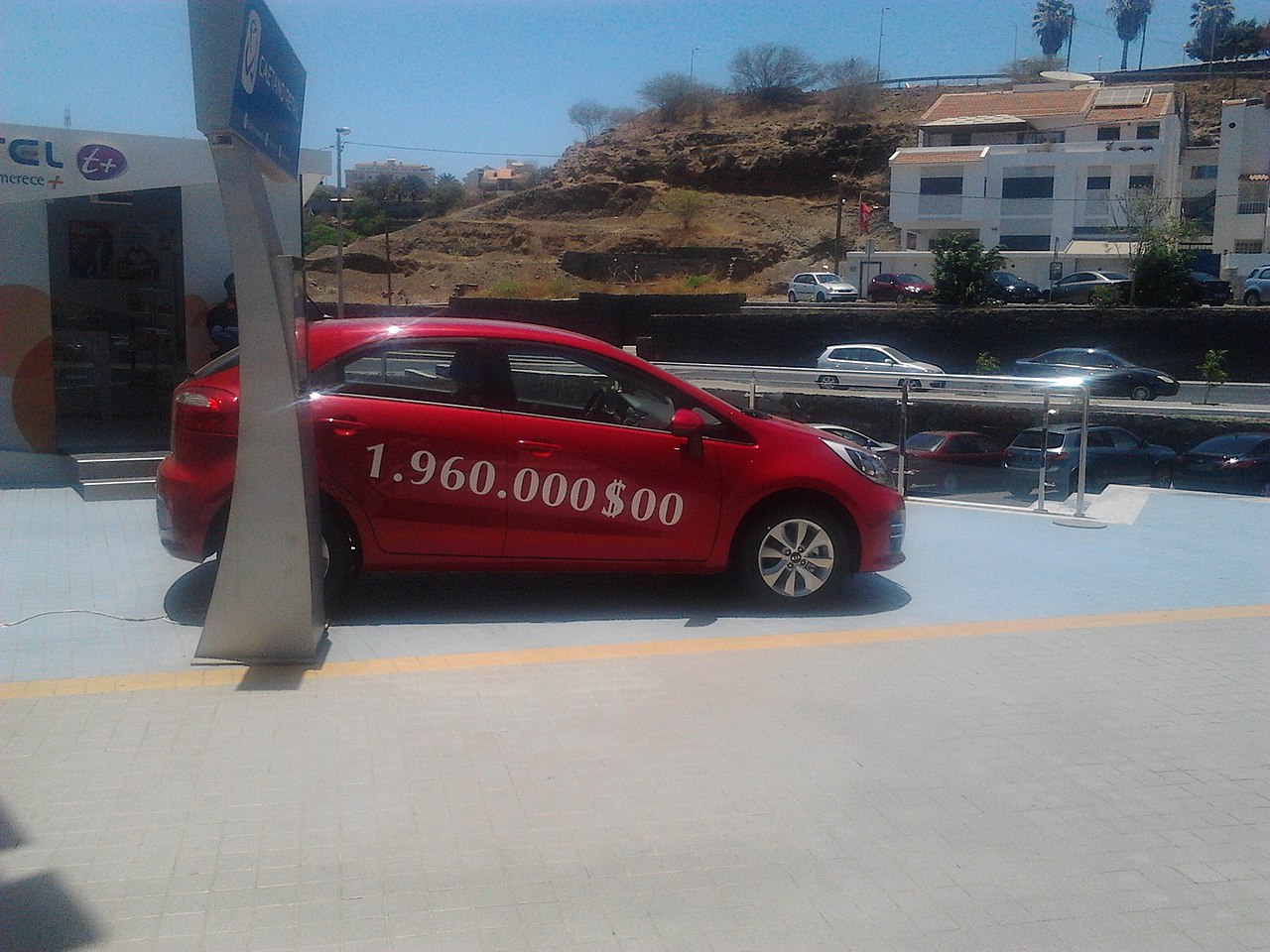


Appearance and typographic forms
Visually the sign looks like a capital or lowercase S with one or two vertical strokes through it. The single-stroke form ($) is common in many modern fonts; the double-stroke variant (often called the cifrão in Portuguese) shows two vertical lines and is seen in some historical and regional usage. Typography, engraving and handwriting all influence whether one or two strokes are used, and many fonts render only a single vertical line for simplicity and clarity.
Origins and historical explanations
The exact origin of the symbol is not settled and several plausible theories coexist. One explanation traces it to a contraction of the Spanish word for pesos or the abbreviation "ps" where the letters were written over each other and evolved into a single sign. Another popular theory links the double-stroke form to imagery on the Spanish dollar (the "piece of eight") that featured the Pillars of Hercules and a ribbon, producing a motif resembling an S with vertical pillars. A third account suggests it grew from the overlapping of the letters "U" and "S" in early American prints. Historians regard these accounts as possible rather than conclusively proven.
Uses and conventions
Placement and meaning vary by language and country. In English-speaking countries the sign normally precedes the number (for example, $5.00). In other locales some place currency marks after the amount or combine the sign with a letter code to avoid confusion (for example, USD 5 or MXN 5). Because multiple currencies share the same glyph, international financial practice often uses three-letter ISO codes alongside or instead of the sign for clarity.
Other notable roles
- Computing: the dollar sign appears in many programming languages and shells as a sigil for variables (for example in shell scripts or PHP) and has special meanings in command languages and templates.
- Encoding: the character has standard positions in character sets (ASCII decimal 36, Unicode U+0024), ensuring consistent electronic representation across systems.
- Distinctions: the Portuguese name cifrão remains associated with the two-stroke form in some Lusophone contexts; other countries use alternative symbols where needed.
For more on currency symbols and usage conventions see general references about monetary notation and typographic practice: currency symbol, peso, dollar.
Related articles
Author
AlegsaOnline.com Dollar sign ($): appearance, history, and common uses Leandro Alegsa
URL: https://en.alegsaonline.com/art/28225