
Dominican Spanish: Features, History, and Social Use
Variety of Spanish spoken in the Dominican Republic and by its diaspora, notable for Caribbean phonology, Canarian and African influences, Taíno vocabulary, and strong regional and social variation.
Dominican Spanish is the regional form of Spanish spoken throughout the Dominican Republic and by Dominican communities abroad. It is commonly grouped with Caribbean Spanish varieties and is distinguished by phonetic, lexical, and pragmatic features that reflect the island's history and contact with other languages.
Image gallery
2 Images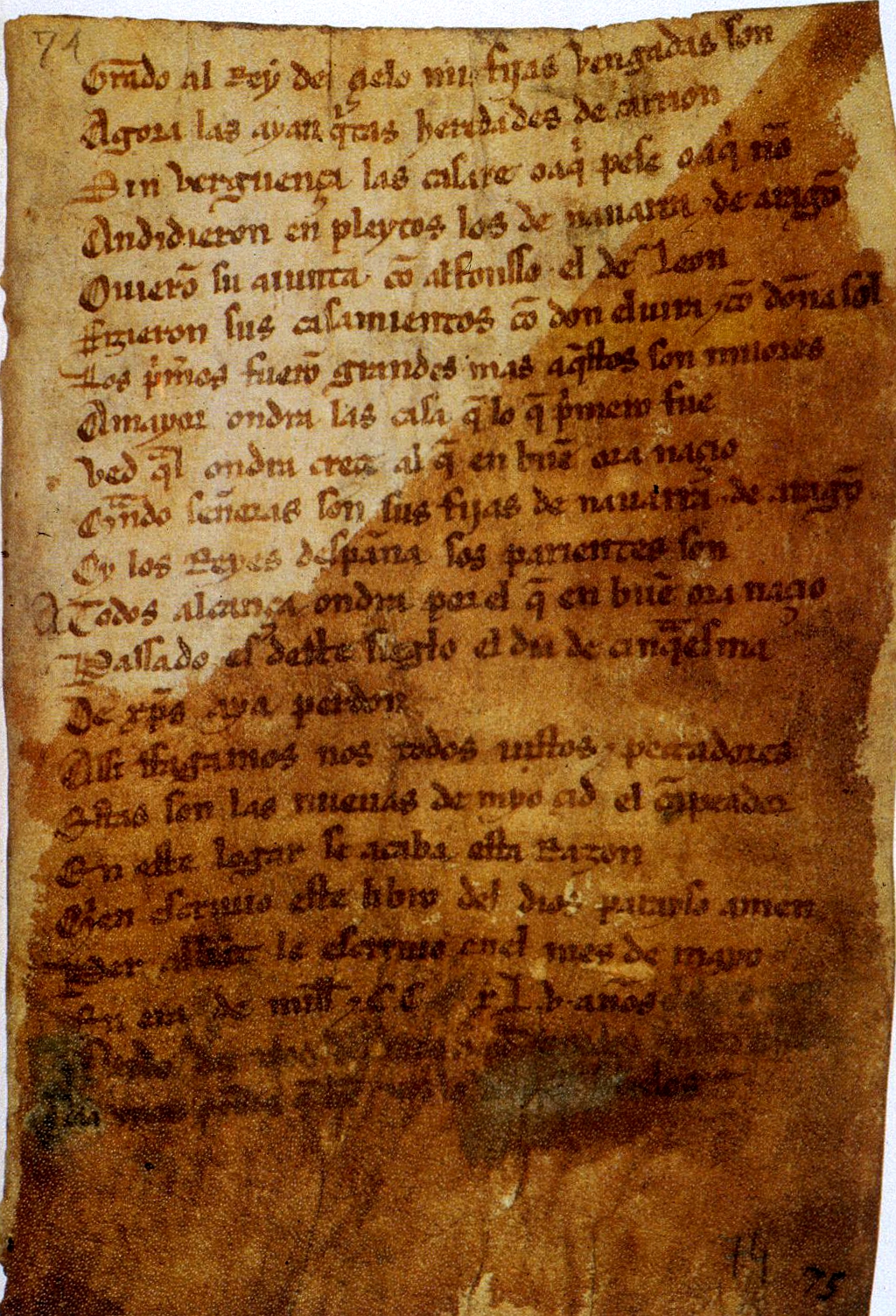

Phonology and pronunciation
Typical phonological traits include aspiration or loss of syllable-final s, reduction or elision of intervocalic d in informal registers, and simplification of consonant clusters at word edges. The variety generally shows seseo (no distinction between s and z/c) and widespread yeísmo (merger of ll and y). Many speakers use ustedes for the plural "you" across formal and informal contexts.
Vocabulary and influences
Local lexicon reflects indigenous Taíno terms, African-origin words, and borrowings from Canarian and Andalusian settlers. Examples include vaina (thing or matter), guagua (bus), mangú (mashed plantain dish), and concho (shared taxi). Contact with Haitian Creole is noticeable in border areas, and English influence has increased through migration and media.
History and development
The dialect emerged from the Spanish of early settlers—strongly influenced by Canarian and Andalusian speech—overlaid by Taíno substrate vocabulary and the languages of enslaved Africans. Historical contact with neighboring Haiti and later migration flows shaped regional variation and lexical adoption.
Social variation and functions
Dominican Spanish is used across everyday life, music (notably merengue and bachata), radio, and literature. Speakers often shift registers: more conservative pronunciations appear in formal contexts, while colloquial reductions and slang mark informality and group identity. In diaspora communities code-switching with English is common and contributes to evolving usage patterns.
For broader linguistic context see general resources on Caribbean Spanish and regional grammars; for country-specific information consult materials about the Dominican Republic.
Related articles
Author
AlegsaOnline.com Dominican Spanish: Features, History, and Social Use Leandro Alegsa
URL: https://en.alegsaonline.com/art/28302
Sources
- dr1.com : dr1.com/articles/spanish.shtml
- books.google.com : books.google.com/books/about/A_new_perspective_on_Afro_Dominican_Span.html?id=HrQuAAAAYAAJ
- glj.com.do : glj.com.do
- amodominicana.com : amodominicana.com