
Discount store: definition, models, history and distinctions
An overview of discount stores: definition, common business models, types, historical development, consumer role, distinctions from outlets and thrift shops, and contemporary trends and concerns.
Overview
A discount store is a retail format that offers goods at lower prices than many full‑price competitors. Often operated on higher sales volumes with slimmer margins, discount stores can range from large general‑merchandise chains to single‑category outlets. They overlap with but are distinct from traditional department stores and other formats; for example, some are described as discount department stores while others use simplified service and layout to reduce costs compared with traditional retail outlets.
Image gallery
4 Images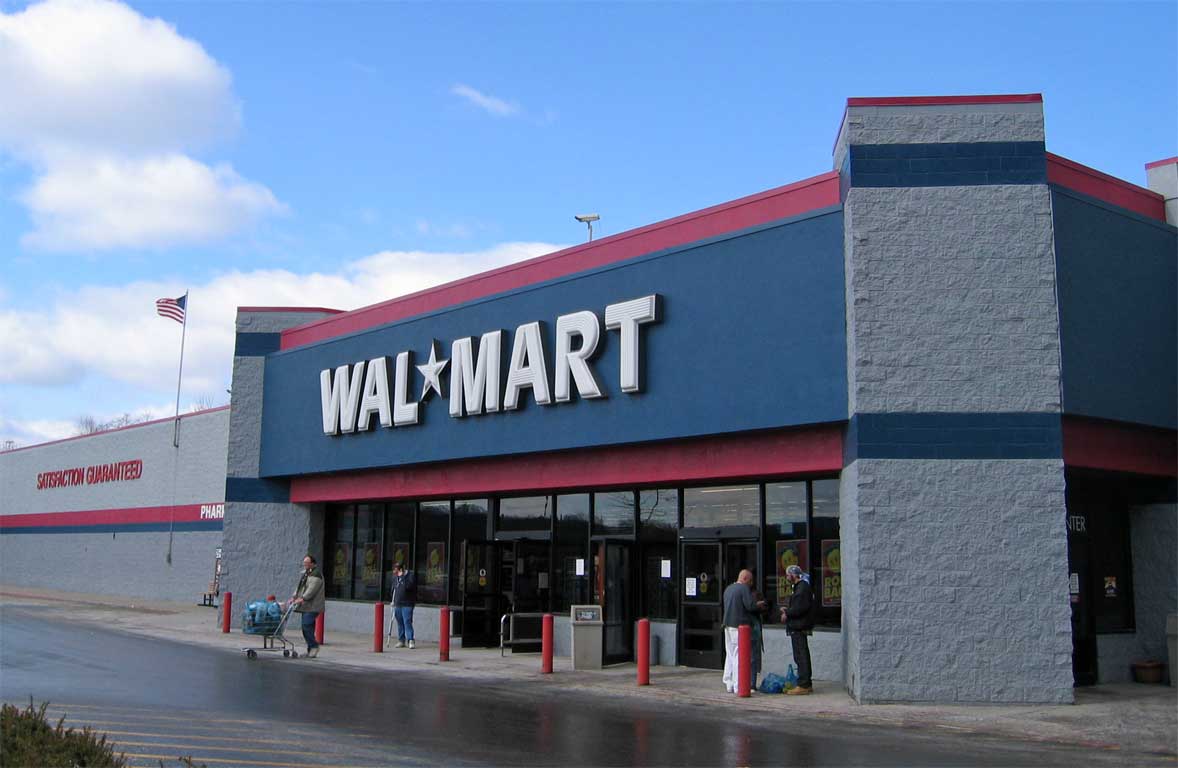


Characteristics and business model
Common features include bulk purchasing and negotiated supplier terms, a focus on private‑label merchandise, limited in‑store services, and efficient logistics. Discount retailers control costs through standardized store layouts, fewer sales staff per square foot, centralized distribution centers, and frequent promotions or clearance events. Some use membership fees or bulk packaging to lower per‑unit costs; others operate primarily online to reduce physical overhead.
Types of discount stores
- Discount department stores: broad assortments of clothing, home goods, and small electronics under one roof.
- Off‑price retailers: sell branded excess inventory, irregulars, or closeouts at reduced prices.
- Dollar and variety stores: carry many low‑priced items, often in limited sizes and with rapid turnover.
- Warehouse clubs and membership retailers: sell in larger quantities or bulk sizes, sometimes behind a membership barrier.
- Online discounters: use e‑commerce and direct sourcing to offer lower prices without a traditional store network.
History and development
Discount retailing grew with mass production, national distribution networks, and changing shopping patterns in the 20th century. Suburban expansion and large‑format stores helped popularize the model in some countries. More recently, discount chains adapted to digital sales channels, private branding, and global sourcing, reshaping how merchandise is acquired and offered to consumers.
Consumer role, impacts and concerns
Discount stores increase access to affordable goods and can help households manage budgets. They also serve as channels for overstocks and seasonal inventory. Critics note pressures on small independent retailers, concerns about product durability or sourcing, working conditions in complex supply chains, and environmental effects from fast turnover and packaging. Many chains have responded with more responsible sourcing policies, sustainability initiatives, and data‑driven inventory management.
Distinctions and trends
Discount stores differ from outlet centers, which often sell factory seconds or direct brand overstocks, and from thrift shops, which resell used goods. Contemporary trends include omnichannel retailing, personalization through data analytics, greater emphasis on private labels, and efforts to improve supply‑chain resilience and sustainability. The sector remains diverse, adapting to consumer preferences and competitive pressures from both brick‑and‑mortar and online retailers.
Related articles
Author
AlegsaOnline.com Discount store: definition, models, history and distinctions Leandro Alegsa
URL: https://en.alegsaonline.com/art/27653