
Discordianism: a playful modern movement centered on chaos and parody
Discordianism is a modern, often satirical movement that treats disorder and chaos as central themes. It blends myth, prankish ritual, and philosophical playfulness without fixed doctrine.
Overview
Discordianism is a loosely organized modern movement that treats disorder and chaos as essential aspects of reality, often on equal footing with order. It is commonly described as a postmodern or countercultural religion and is characterized by humor, paradox, and deliberate confusion. Adherents range from people who regard it as satire to those who treat its ideas as a genuine spiritual or philosophical stance.
Image gallery
1 Image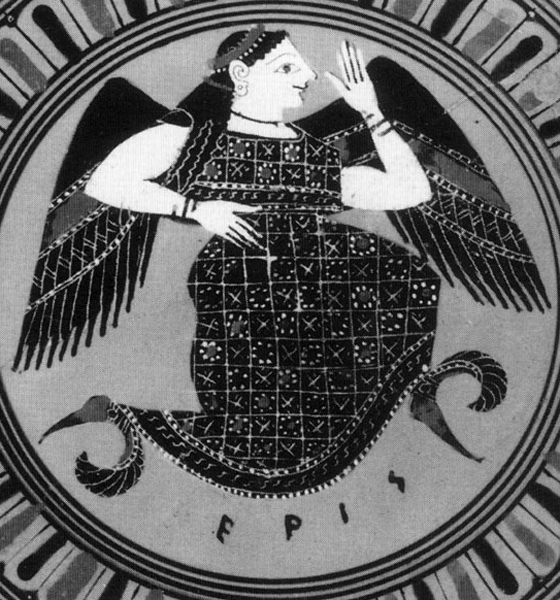
Origins and key text
The movement emerged in the late 1950s, most famously associated with the pseudonymous figure Malaclypse the Younger (Gregory Hill). Its best-known work is the Principia Discordia, a small illustrated book that mixes absurdist aphorisms, mock liturgy, cartoons and deliberately contradictory teachings. Another early contributor was Kerry Thornley, who used the name Lord Omar Khayyam Ravenhurst.
Core ideas and style
Rather than a coherent theology, Discordianism offers a set of playful motifs and rhetorical devices. It emphasizes:
- Balance of chaos and order — asserting that both are part of experience;
- Parody and ritual — using jokes, ceremonies and invented lore to challenge assumptions;
- Non-dogmatism — no centralized authority or uniform creed;
- Guerrilla ontology — intentional dissemination of confusion to provoke questioning.
Practices and cultural influence
Discordian practices are informal and variable: issuing playful titles, composing mock scriptures, staging pranks, and using absurdist imagery. The movement influenced 1960s and later countercultures, aspects of the early internet, and works of satirical fiction. Its tone encourages skepticism of grand systems and invites creative reinterpretation rather than prescribing strict behaviors.
Symbols, concepts and notable elements
Recognizable symbols include the Sacred Chao and the five‑fingered hand of Eris, as well as the evocative Golden Apple tied to the classical myth of Eris, the Greek goddess of discord. Frequently referenced ideas include the Law of Fives, the word "fnord," and playful campaigns sometimes called Operation Mindfuck — all intended as thought experiments or in-jokes more than formal doctrine.
Distinctions and reception
Observers debate whether Discordianism is primarily a parody, an avant‑garde religion, or a social critique. Its lack of hierarchy and intentional absurdity set it apart from traditional faiths, while its satire provides a vehicle for philosophical reflection. Those interested in religious parody, modern mythmaking, or cultural critique often study Discordian materials as examples of how humor and chaos can question orthodox thinking.
For further reading, the Principia Discordia remains the central source, and contemporary discussions appear in academic and popular treatments of modern religion and counterculture. See also resources on the movement's stylistic place within postmodern thought and its classification among unconventional religions.
Related articles
Author
AlegsaOnline.com Discordianism: a playful modern movement centered on chaos and parody Leandro Alegsa
URL: https://en.alegsaonline.com/art/27652