
Allegheny Mountains
A subrange of the Appalachian Mountains in the eastern United States, the Allegheny Mountains stretch across several states and are known for their ridges, forests, and coal-bearing geology.
Overview
The Allegheny Mountains (also spelled Alleghany and Allegany) form a prominent subrange of the Appalachian Mountains in the eastern United States. They extend through parts of Maryland, Pennsylvania, West Virginia and western Virginia. The range is part of the larger Appalachian system, which continues northeast into the Canadian Maritimes; for regional context see the Appalachians and resources in the eastern United States.
Image gallery
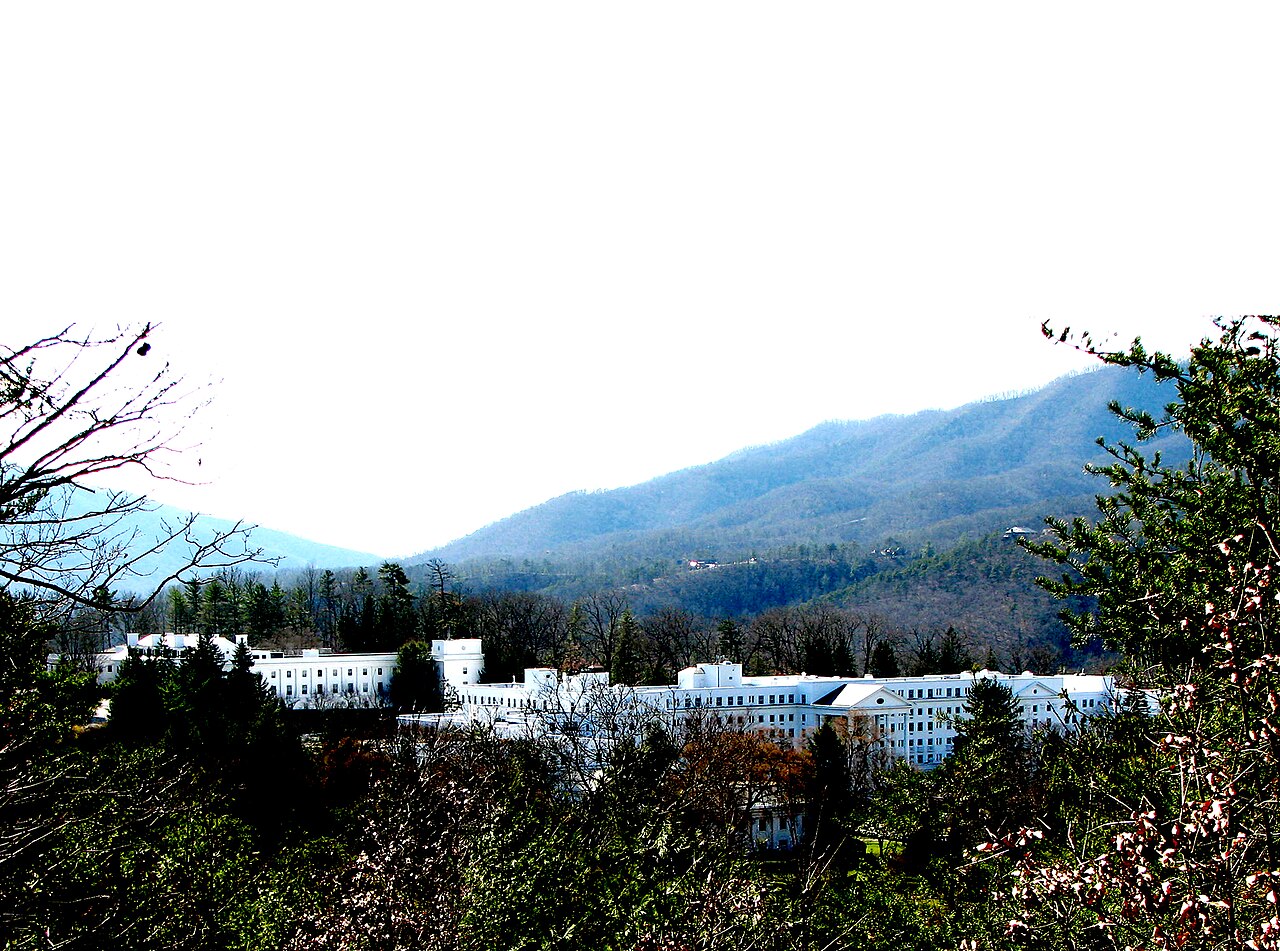
10 Images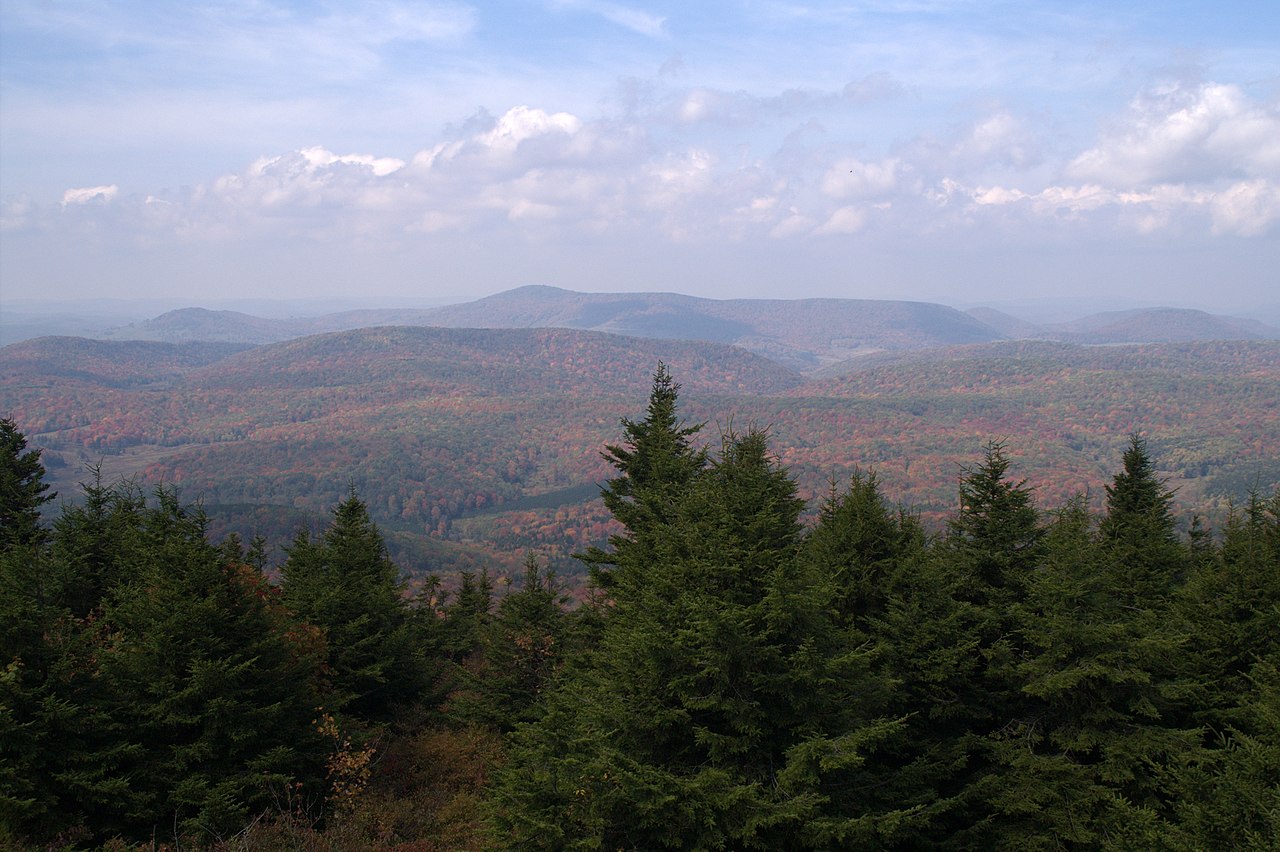





Geology and formation
The Alleghenies were shaped by the Alleghenian orogeny, a major mountain-building episode during the late Paleozoic Era. Folding, faulting and uplift produced a series of long ridges and valleys. The western margin of the highlands is often marked by the steep Allegheny Front, an escarpment that separates the mountain crest from the Appalachian Plateau.
Geography, peaks and subdivisions
The range contains several named highlands and local regions, including the Laurel Highlands and various ridgelines. Notable peaks include Spruce Knob, the highest point in the range and in West Virginia, and Mount Davis, the highest point in Pennsylvania. The Allegheny Front and associated plateaus influence local climate and drainage patterns (see regional map).
Ecology, resources and uses
The Allegheny Mountains support mixed hardwood forests, high-elevation spruce stands and diverse wildlife. Human uses have included forestry, coal and other mineral extraction, agriculture in valleys, and increasingly recreation. Portions of the range are protected within national and state forests as well as other public lands, such as regional conservation areas and specific national forests in the region (state pages and federal resources offer details).
History and cultural significance
The mountains have long shaped transportation, settlement and economic patterns in Appalachia. Ridge lines and gaps directed early roads and railways; valleys supported farming and towns, while uplands preserved traditional mountain culture and recreational opportunities, from hiking to winter sports.
Notable facts
- The Allegheny Front acts as a climatic and watershed divide for the region.
- Protected areas and forests conserve habitat and provide outdoor recreation; see federal and state pages for visitor information (map, ecosystem overview).
- Alternate spellings—Alleghany and Allegany—are still used in place names across the region.
For maps, park guides and geological summaries consult regional resources and official forest or park websites linked above (Maryland, Pennsylvania, Virginia, West Virginia).
Tags
Related articles
Author
AlegsaOnline.com Allegheny Mountains Leandro Alegsa
URL: https://en.alegsaonline.com/art/2765