
Adirondack Mountains
A rugged mountain region in northeastern New York, home to Mount Marcy, thousands of lakes, the protected Adirondack Park, and a long history of conservation, recreation, and distinctive geology.
Overview
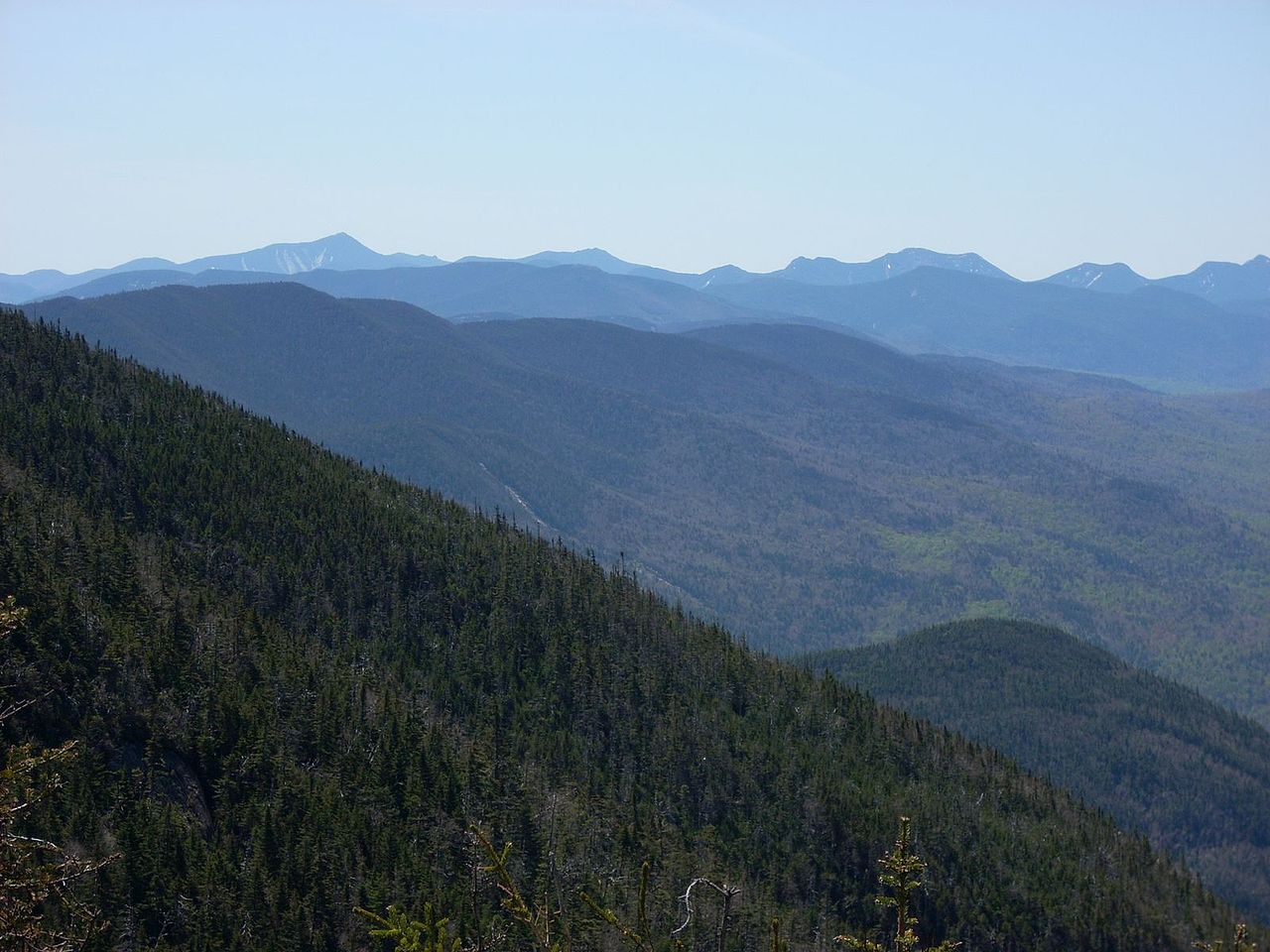
The Adirondack Mountains form a distinct highland in northeastern New York, in the United States. The range is noted for its irregular dome of ancient rock, rounded peaks, and dense network of waterways and forests. The highest summit is Mount Marcy, listed at 5,344 feet (1,629 m), located near the town of Keene. For general orientation, see a regional map.
Image gallery
10 Images


Geography and geology
The Adirondacks are geologically distinct from neighboring mountain systems. They consist largely of very old Precambrian metamorphic and igneous rocks that have been uplifted into a dome and reshaped by repeated glaciation. Glacial activity carved many valleys and basins, producing the thousands of lakes and ponds for which the region is famous. The interior contains a cluster known as the "High Peaks," long a focus for hikers and naturalists.
History and conservation
Native peoples lived and traveled through the Adirondacks for centuries before European settlement. By the 19th century, logging and development prompted concern for the region's watersheds and forests. In response, New York established the Adirondack Park in the late 1800s and later adopted constitutional protections that prioritize forest preservation. The park today combines public and private lands under a mix of conservation rules and local governance.
Recreation and cultural importance
The Adirondacks are a major center for outdoor recreation: hiking, backcountry camping, canoeing, fishing, downhill and cross-country skiing, and winter sports around towns like Lake Placid. The area also inspired a distinctive Adirondack architectural tradition of "Great Camps" and the well-known Adirondack chair. Outdoor clubs and a community of "Forty-Sixers"—hikers who climb the classic High Peaks list—underscore the mountains' recreational culture.
Ecology and notable features
Vegetation ranges from mixed hardwood forests at lower elevations to boreal communities near summits. Wildlife includes black bear, moose, beaver, and many bird species such as loons. Conservationists monitor pressures from invasive species, acid rain, and climate change, all of which affect habitats and visitor management.
Distinctions
- The Adirondack Park is often cited as the largest state-managed park in the contiguous United States and is notable for its mosaic of public and private lands.
- Geologically the range is a separate dome uplift rather than a segment of the nearby Appalachian chain.
- The region combines significant natural, recreational, and cultural value, making it a focus of American conservation history.
Tags
Related articles
Author
AlegsaOnline.com Adirondack Mountains Leandro Alegsa
URL: https://en.alegsaonline.com/art/990