
Diocese of Växjö
A diocese of the Church of Sweden centered on Växjö Cathedral, covering parts of southern Sweden with medieval origins and continuing religious, cultural, and administrative roles.
Overview
The Diocese of Växjö is a regional jurisdiction of the Church of Sweden whose heritage reaches back to the early Christianization of Scandinavia in the medieval period. In Swedish it is known as Växjö stift. It remains one of the historic dioceses within the national church, part of the Church of Sweden's organization and mission Church of Sweden.
Image gallery
1 Image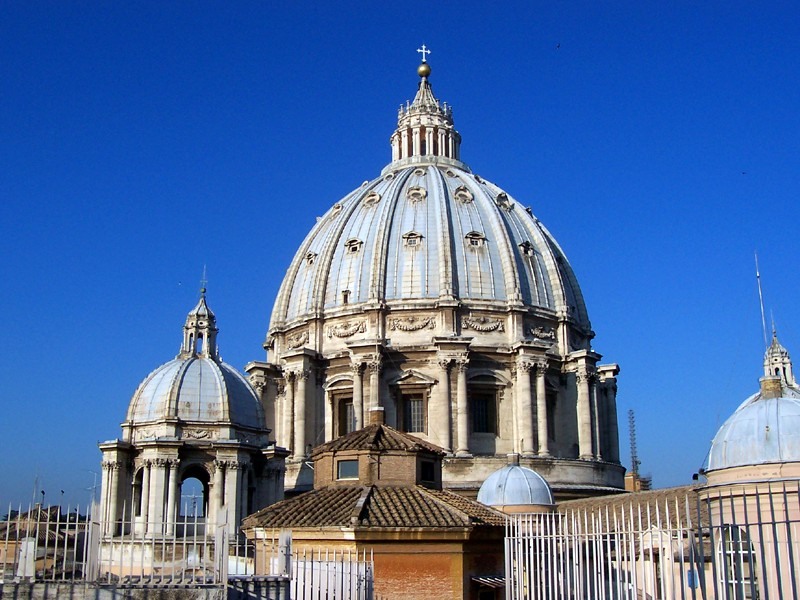
Territory and organization
The diocese covers a portion of southern Sweden, spanning parts of several modern counties and including urban and rural parishes. Its area includes, broadly, parts of:
Within this territory the diocese administers parishes, clergy appointments, theological education initiatives, and care for church buildings and cultural heritage.
History and development
The diocese has medieval roots and is commonly dated to the 11th century in broad accounts of Scandinavian ecclesiastical history 11th century. Over the centuries it has evolved through the Reformation, administrative reforms, and modern church governance while maintaining continuity as a local center for Christian worship and community life.
Växjö Cathedral
The seat of the bishop is Växjö Cathedral, the principal church of the diocese. The cathedral serves liturgical, ceremonial, and symbolic functions and has been shaped by repairs, restorations, and artistic additions across different eras. It stands as a focal point for diocesan events and religious festivals Växjö Cathedral.
Role and significance
Today the diocese combines pastoral work, cultural stewardship, and social outreach. It supports parish life, maintains historic churches and artifacts, and participates in ecumenical and community initiatives. The Diocese of Växjö remains an example of how regional church structures link local congregations to national bodies and historical traditions.
Notable facts
- The diocese is often referenced in studies of Swedish church history and regional heritage.
- Its geography spans varied landscapes from towns to rural parishes, reflecting diverse local traditions.
- Växjö Cathedral functions as both an active place of worship and a repository of historical architecture and art.
Related articles
Author
AlegsaOnline.com Diocese of Växjö Leandro Alegsa
URL: https://en.alegsaonline.com/art/27526