
Digital electronics: principles, components, history and applications
An overview of digital electronics covering core concepts, typical components, historical development, common applications (computers, phones, cameras) and distinctions from analog systems.
Digital electronics is the branch of electronics that represents information using discrete values, most commonly binary digits (0 and 1). It relies on Boolean logic and the manipulation of digital signals to perform computation, control and communication. For a concise introduction to the field see digital electronics. The discrete nature of digital representation makes designs easier to scale, test and reproduce compared with continuously varying analog circuits.
Image gallery
5 Images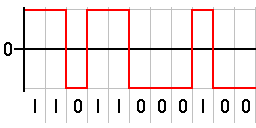

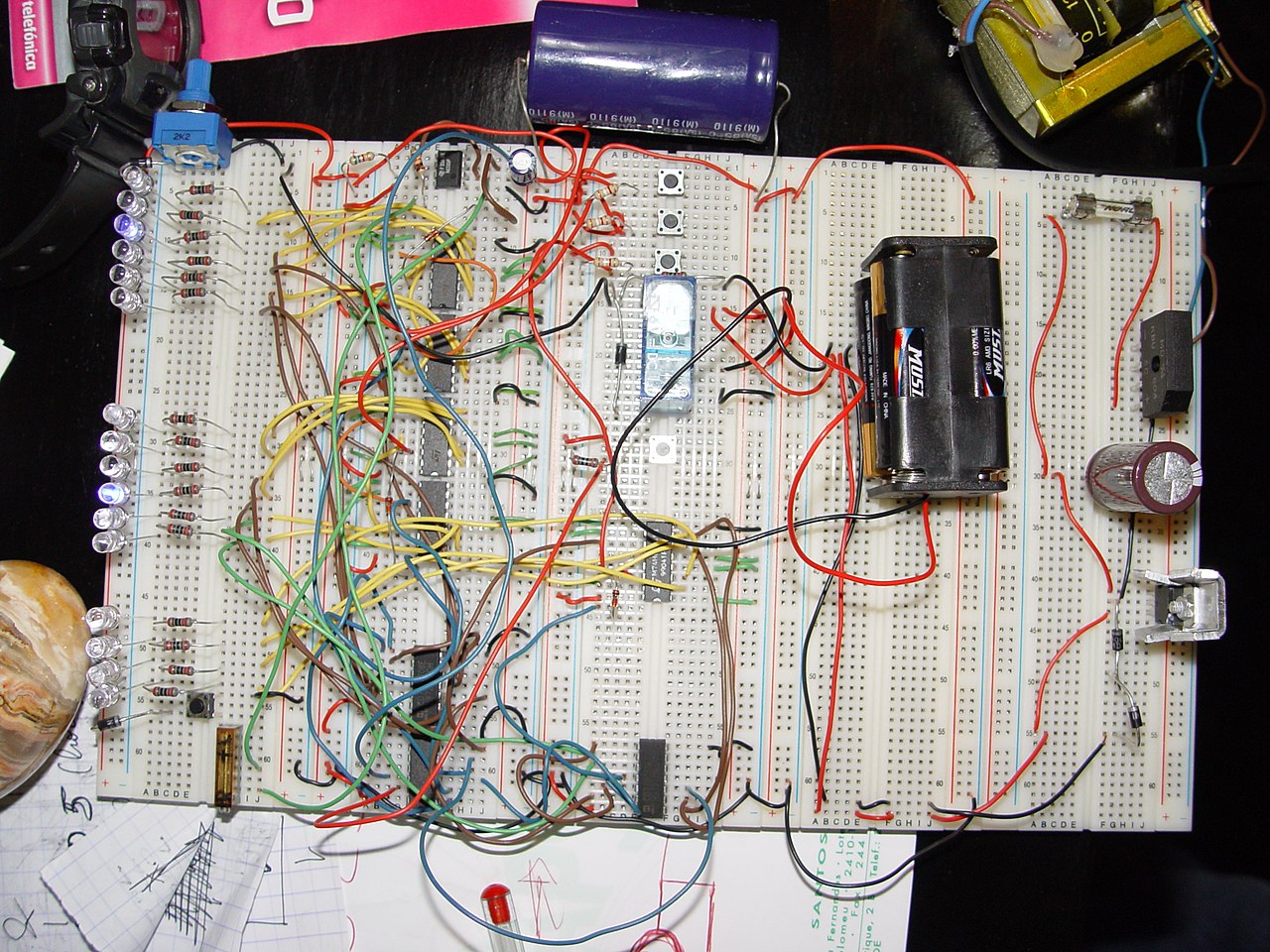


Key characteristics and components
At the heart of digital systems are logic gates (AND, OR, NOT, etc.), which implement basic Boolean operations. These gates are packaged into integrated circuits such as microprocessors, microcontrollers and application-specific ICs. Common building blocks include:
- Combinational logic and sequential logic (flip-flops, registers).
- Memory elements: volatile and non-volatile forms used in computer memory, caching and storage.
- Interfaces and converters: analog-to-digital (ADC) and digital-to-analog (DAC) converters allow interaction with the physical world.
- Storage devices such as flash memory and hard disks.
Historical development
Conceptually, the application of Boolean algebra to switching circuits provided the theoretical foundation for digital design. Early electronic computers used vacuum tubes, which were later replaced by transistors, and then by integrated circuits that packed many logic elements onto silicon chips. Improvements in fabrication and low-power families like CMOS enabled the proliferation of compact, energy-efficient digital devices.
Applications and examples
Digital electronics underpins a vast range of everyday and industrial products. Typical examples include computers, mobile phones, digital cameras, digital televisions, USB flash drives and other removable storage, embedded controllers and network equipment. Many systems use digital signal processing to analyze or transform signals after conversion, a discipline discussed as digital signal processing.
Distinctions and notable facts
Digital systems differ from analog systems in how information is represented: discrete symbols versus continuous voltages or currents. Advantages of digital design include noise tolerance, repeatability and ease of error detection and correction; disadvantages can include quantization error, increased bandwidth for some signals, and the need for conversion hardware. Designers trade off precision, speed and power depending on application needs.
Practical study of digital electronics covers system-level architecture, logic design, timing and synchronization, power considerations, and interfacing with sensors and actuators. For further reading on specific devices and techniques see resources on digital electronics, general references to digital signals and applied topics such as digital signal processing. Additional product-level information is available for particular device classes like flash memory, hard disks, computer memory, computers, digital cameras and digital televisions.
Digital techniques continue to evolve as fabrication, architectures and algorithms improve, enabling more powerful, efficient and compact electronic systems.
Related articles
Author
AlegsaOnline.com Digital electronics: principles, components, history and applications Leandro Alegsa
URL: https://en.alegsaonline.com/art/27378