
Devo: American New Wave Band and Multimedia Art Collective
Devo is an American new wave pop band and art project originating in Ohio, known for satirical concepts, synth-driven music, the hit “Whip It,” and an influential role in late 1970s–1980s alternative music.
Devo is an American band that emerged as a defining force in the late 1970s new wave and pop landscape. Blending performance art, satire and rock instrumentation, Devo cultivated a striking visual identity and a conceptual framework often summarized by the idea of "de-evolution," a critique of social and cultural regression.
Image gallery
10 Images




Characteristics and style
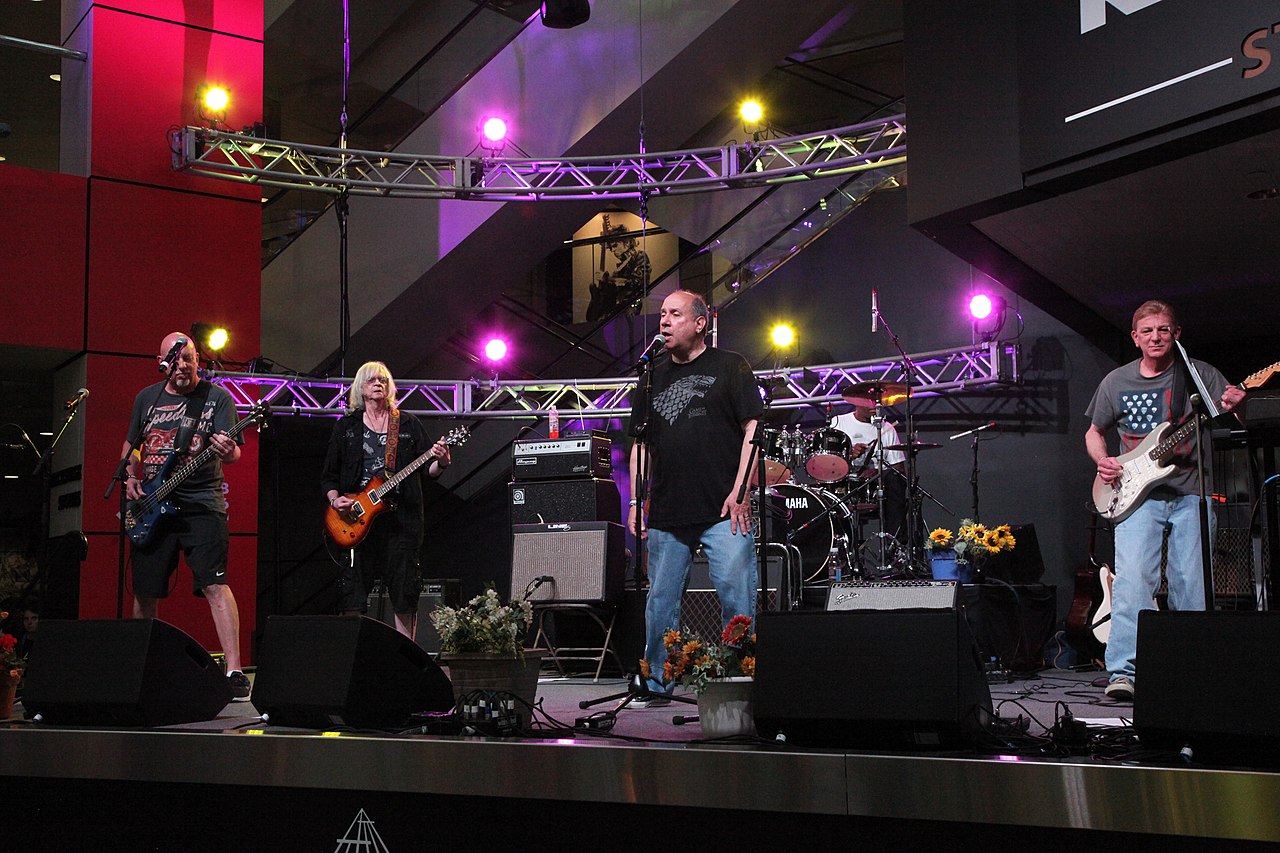
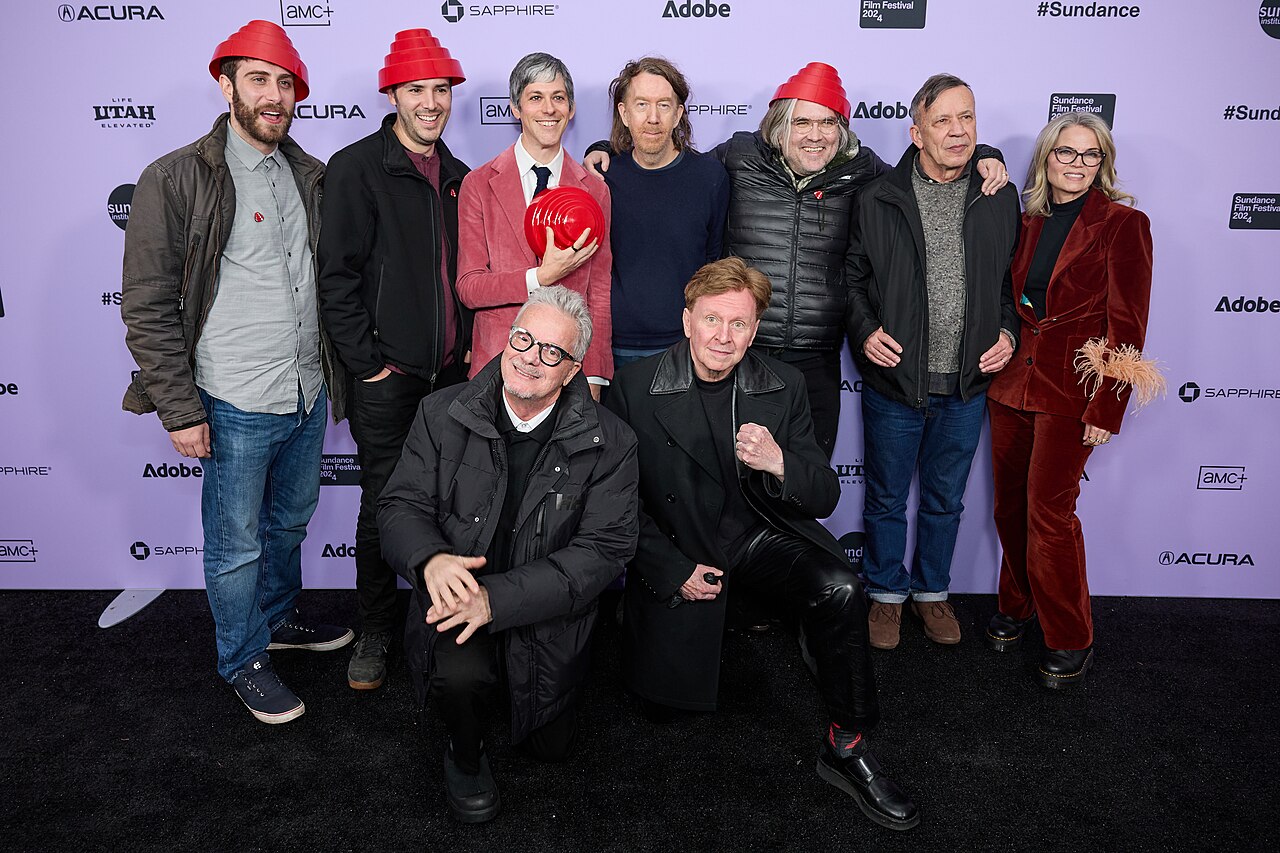
Musically, the group mixed guitars, driving bass lines and conventional rock rhythms with prominent synthesizers and electronic textures. Their arrangements ranged from terse punk-inflected tracks to polished pop singles, often layered with ironic lyrics and mechanical vocal delivery. Visually they became known for matching costumes, theatrical stage props and the red "Energy Dome" hats that became symbolic of their public image.
Key members
- Gerald Casale (bass, vocals)
- Mark Mothersbaugh (vocals, keyboards) — Mark Mothersbaugh
- Bob Mothersbaugh (guitar)
- Robert Casale (guitar, keyboards)
- Alan Myers (drums)
This roster—often described as the group's best-known lineup—anchored Devo's studio recordings and live shows for much of their most visible period.
History and development
Formed in Ohio, the project grew out of a combination of art-school experimentation, regional rock scenes and a fascination with technology and mass media. Early releases and performances established Devo as part of the wider new wave movement while remaining deliberately idiosyncratic. Their first widely noticed albums combined abrasive ideas with accessible hooks, and collaboration with notable producers helped bring their sound to broader audiences.
Notable songs, influence and legacy
Devo scored mainstream attention with several well-known singles, most famously the 1980 hit "Whip It", which showcased their knack for concise, catchy songs and memorable videos during the MTV era. They released other songs and records that influenced a generation of musicians, helping shape alternative, synth-pop and electronic rock. Music critics and historians often cite Devo's influence on the development of modern pop and indie aesthetics.
Performances and cultural role
Devo has continued to perform publicly on occasion, revisiting classic material and presenting new work. Their approach combined musical experimentation with satire, and they maintained a presence in film, video and multimedia projects that extended beyond conventional concert activity. Fans and scholars alike study the band as both a musical act and a long-running conceptual art statement.
For additional context about their sound and public reception, see general overviews of American bands, the popular music of the era and histories of related art and media movements. Devo's catalog and story remain referenced across discussions of late 20th-century pop culture and technology-driven music innovation.
Further reading and resources can be found through archive collections and music histories that cover the new wave period and artists who used early synth technology and visual art to challenge mainstream pop conventions.
Related articles
Author
AlegsaOnline.com Devo: American New Wave Band and Multimedia Art Collective Leandro Alegsa
URL: https://en.alegsaonline.com/art/26986