
Dido and Aeneas
A short English Baroque opera by Henry Purcell with a libretto by Nahum Tate, based on Virgil's Aeneid; celebrated for its dramatic mixture of tragedy and comic witchcraft and for 'Dido's Lament'.
Overview
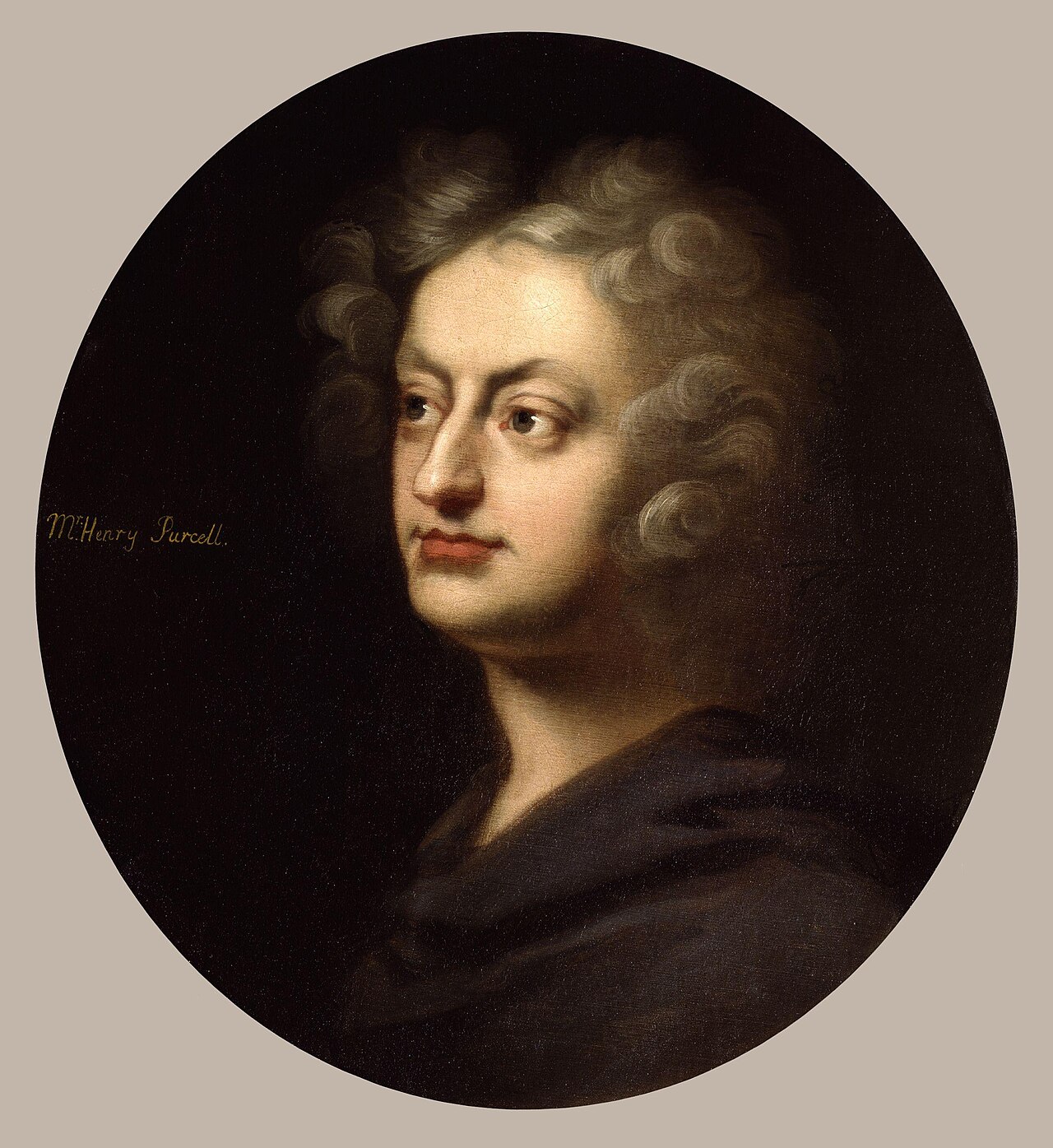
Dido and Aeneas is a compact three-act English stage work often regarded as the finest example of English Baroque opera. The music is attributed to Henry Purcell, while the libretto was supplied by Nahum Tate. The plot derives from the Roman epic tradition, drawing on Virgil and his Aeneid, and tells the story of the Carthaginian queen Dido and the Trojan hero Aeneas. Composed in the late 1680s and first documented in performance in 1689, the work blends high tragedy with lighter, comic episodes.
Image gallery
6 Images



Structure and musical characteristics
The opera is concise: ensembles, arias and dance-like choruses alternate within three short acts rather than unfolding across a long continuous drama. Purcell's score favors expressive vocal lines, a small Baroque ensemble and a continuo group that supports recitative and aria. The most famous movement, the aria commonly called "Dido's Lament" (the ground-bass aria beginning "When I am laid in earth"), exemplifies Purcell's power to convey grief through a slow, repeating bass and intensely chromatic writing. Recitatives drive the narrative while choruses and dances often mark ritual, witchcraft or public scenes.
Sources, models and court context
The libretto by Tate adapts episodes from Latin epic into a short, stageable drama and shows the influence of contemporary English and continental models. Scholars note resemblances to John Blow's musical theatre piece Venus and Adonis and to small-scale French operas by composers such as John Blow and Marc-Antoine Charpentier, reflecting court tastes that mixed English and French styles. Political and social events at court — including the death of Charles II and shifting performance opportunities — affected when and where the work was first staged.
Performance history and sources
The earliest recorded performance took place at a girls' school in Chelsea run by the dancing master Josias Priest in 1689. The autograph manuscript of Purcell's score has not survived; what musicians use today is drawn from early printed sources and later reconstructions, since some passages appear missing or ambiguous. Editors and performers have restored or recomposed sections in Purcell's idiom, and occasionally substitute contemporaneous Purcell pieces to complete the dramatic flow. The loss of the original manuscript means modern editions rely on careful editorial judgment and comparison with other Baroque practice; see the surviving references to the opera manuscript and printed copies in many studies.
Plot, roles and dramatic contrast
The drama compresses the key episodes of Dido and Aeneas: love and abandonment, political responsibility, supernatural interference and ultimately tragic suicide. The score juxtaposes intimate love scenes with comic or malevolent episodes involving a sorceress and witches. Principal roles often cast as:
- Dido — the Queen of Carthage (typically sung by a soprano or mezzo)
- Aeneas — the Trojan leader (tenor or high baritone in modern productions)
- Belinda — Dido's attendant (soprano)
- Sorceress and Witches — character voices, often lower female voices
The opera also stages sailors, courtiers and a chorus that comment on and shape the action. The Trojan background of the hero is a direct link to the epic tradition of Rome and the Trojan founders.
Legacy and significance
Although brief, the opera has remained central to English and international Baroque repertory because of its melodic invention, dramatic economy and the emotional depth of its closing scenes. It is frequently mounted by period ensembles and modern opera companies alike, and its arias and choruses appear on many recordings and in educational contexts. Often described as Purcell's only full-scale opera, Dido and Aeneas continues to be studied for its fusion of theatrical pacing, vocal expression and Baroque instrumental color.
For introductory materials, performance editions and recordings consult standard reference editions and specialist publications that trace the work's sources, early performances and editorial choices.
Questions and answers
Q: What is the title of the opera?
A: The title of the opera is Dido and Aeneas.
Q: Who wrote the story and words for Dido and Aeneas?
A: Nahum Tate wrote the story and words for Dido and Aeneas.
Q: Who composed the music for Dido and Aeneas?
A: Henry Purcell composed the music for Dido and Aeneas.
Q: When was Dido and Aeneas written?
A: It is believed that Dido and Aeneas was written around 1684-1685.
Q: What other work may have served as a model for Dido and Aeneas?
A: John Blow's Venus and Adonis, as well as Marc-Antoine Charpentier's little French operas, may have served as models for Dido and Aeneas.
Q: Where was it intended to be performed originally?
A: It was originally intended to be performed at court.
Q: What is the source material of this opera taken from?
A: The source material of this opera is taken from Virgil's Aeneid, which tells of the tragic love between Trojan prince, Aenaeis,and Queen of Carthage,Dido.
Related articles
Author
AlegsaOnline.com Dido and Aeneas Leandro Alegsa
URL: https://en.alegsaonline.com/art/27248