
All in the Family (American television sitcom)
All in the Family, created by Norman Lear, is a 1970s American sitcom about a working-class Queens family led by Archie Bunker; noted for addressing social issues and spawning several spin-offs.
All in the Family is an American situation comedy that originally aired on CBS from 1971 to 1979. Set in the borough of Queens in New York City, the series follows a working-class family headed by the outspoken patriarch Archie Bunker. The program, created by Norman Lear and developed with Bud Yorkin, was adapted from the British show Till Death Us Do Part and quickly became known for bringing controversial contemporary subjects into prime-time network television.
Image gallery
10 Images

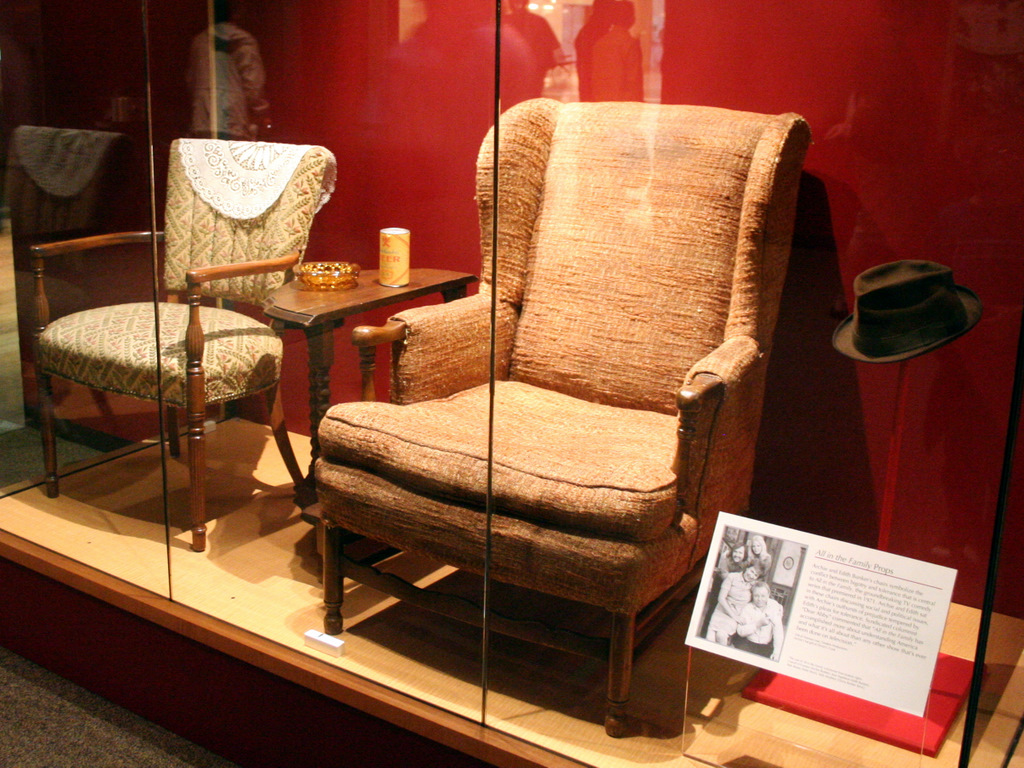


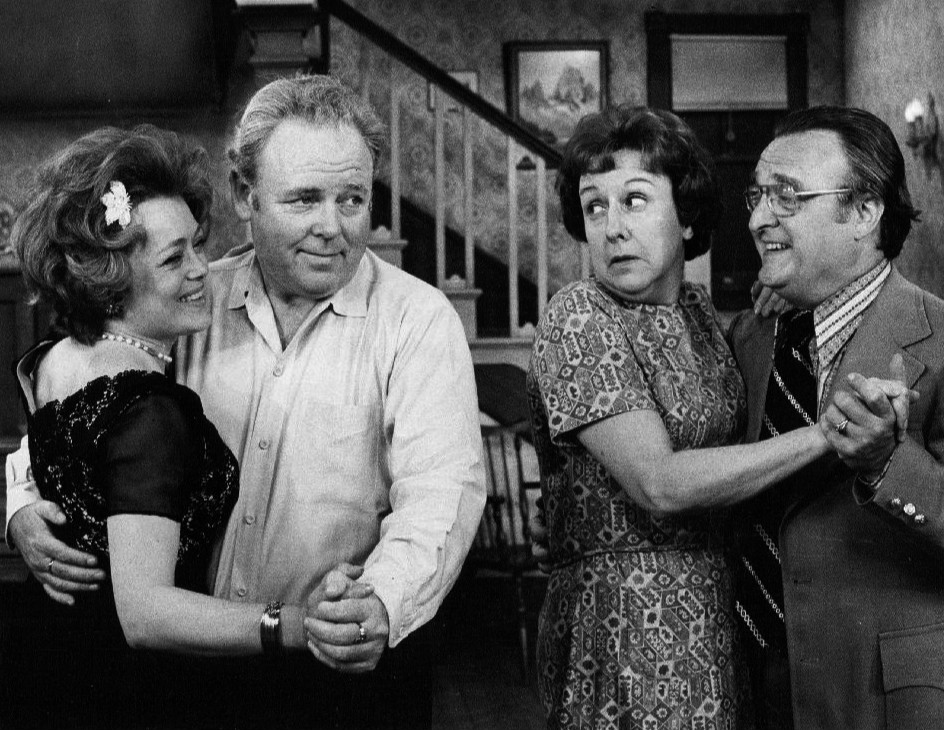


Principal characters and cast
The central cast included Carroll O'Connor as Archie, Jean Stapleton as his wife Edith, Sally Struthers as their daughter Gloria, and Rob Reiner as Gloria's husband Michael "Meathead" Stivic; a later regular was Danielle Brisebois. These performers are commonly cited among the series' most prominent actors. The show employed a multi-camera format performed in front of a live studio audience, blending conventional comedic setups with extended dramatic scenes and confrontations.
Themes and controversies
All in the Family directly addressed subjects that had been largely absent from network sitcoms to that date, including race and racism, gender roles and abortion, the Vietnam War, class conflict, and changing social norms. Episodes frequently staged debates between Archie's conservative outlook and his son-in-law's more liberal views, often dramatizing generational and ideological tensions. That frankness produced both praise and criticism: some viewers found the material groundbreaking while others considered it abrasive or controversial.
Production and broadcast history
The series initially struggled in ratings, but interest increased substantially after CBS scheduled summer reruns that brought new viewers to the program. It subsequently reached the top of the Nielsen ratings for multiple seasons and helped shift expectations about what prime-time comedy could portray. The creative team and producers used the show's popularity to explore social topics in a sustained narrative context rather than confining discussion to single gags.
Reception, awards and critical standing
Critics and historians generally regard All in the Family as one of the most influential American television programs of its era; it appears on numerous lists of important shows and episodes, and its lead character has been widely noted among memorable television characters. The program won significant industry recognition during its run and is often cited in discussions of television that changed cultural conversation. Episodes such as the commonly referenced installment sometimes appear on curated lists of greatest television episodes.
Spin-offs, continuations and legacy
Norman Lear expanded the series through multiple related series and spin-offs, a franchise that is frequently noted for producing an unusually large number of successor programs. Among these extensions was the direct continuation Archie Bunker's Place, which followed the central character after the original series ended on April 8, 1979. Later attempts to revisit the setting included the short-lived series 704 Hauser, which located a new household in the Bunker residence but ended after only a few episodes. The franchise produced several other programs and projects, sometimes counted collectively as seven spin-offs tied to the original show.
- Cultural impact: helped normalize televised discussion of contemporary social issues and influenced subsequent comedies.
- Commercial success: strong ratings during its peak seasons and enduring popularity in reruns.
- Franchise footprint: multiple spin-offs, continuations and reunion projects.
Episodes, distribution and study
Scholars of television history and media criticism continue to study All in the Family for its narrative approach and its role in expanding the boundaries of situation comedy. The program's episodes are often cited in academic and popular works that address television's intersection with social change; for more detailed episode guides, production notes and critical essays consult authoritative archives and reference companions that focus on American broadcasting history. The series has been the subject of retrospectives, re-airings and home-video releases that make its episodes available for new audiences and scholarly review.
For contemporary readers interested in the program's background, the creative team's archives, interviews with cast and crew, and curated critical anthologies provide extensive context. Further information can be found in general television reference works and selected online repositories and databases that catalogue broadcast history; for quick reference see entries on genre and series history, production credits and retrospective criticism via sources such as genre summaries, episode indexes at critical lists, cast biographies and interviews documenting the show's development. Additional materials include contemporary press coverage, award listings, and retrospective analyses accessible through television archives and media research collections and specialized bibliographies covering 1970s American sitcoms.
Because the program's social topics remain relevant to discussions of media representation, All in the Family is regularly referenced in studies of television history, cultural shifts, and the evolution of sitcom storytelling. Readers seeking cast filmographies, production timelines, or episode-level synopses will find useful starting points in broadcast catalogs, academic articles, and curated fan resources; additional background can be explored through interviews with the creators and primary production personnel and cast retrospectives that document the show's long-term influence.
The series is also examined in works about the ethics of satire and humor when applied to sensitive topics and remains a frequent case study in courses on television studies, modern American culture, and media effects. For readers who wish to trace the series' extended family of related programs, consult lists that identify the principal spin-offs and successor efforts as part of the show's broader legacy and franchise history. Additional reading and archival access is available through television research centers, library special collections and curated online databases that preserve broadcast material for public study and scholarly use.
Related articles
Author
AlegsaOnline.com All in the Family (American television sitcom) Leandro Alegsa
URL: https://en.alegsaonline.com/art/2693