
Depeche Mode: English electronic band and cultural influence
Depeche Mode are an influential English electronic band formed in 1980 in Basildon. Known for synth-driven sound, dark lyrical themes and global sales exceeding 100 million, they were inducted into the Rock Hall in 2020.
Overview: Depeche Mode are an English electronic band formed in Basildon, Essex, in 1980. Their name was taken from the French magazine Dépêche mode, literally a "fashion dispatch" or "fashion update." Rising from early synth-pop beginnings, the group developed a darker, more ambitious sound during the 1980s and 1990s that blended electronic production with rock and industrial elements. They have sold in excess of 100 million records worldwide and remain one of the most commercially successful and artistically influential acts to emerge from the UK post‑punk era. Learn more.
Image gallery
10 Images


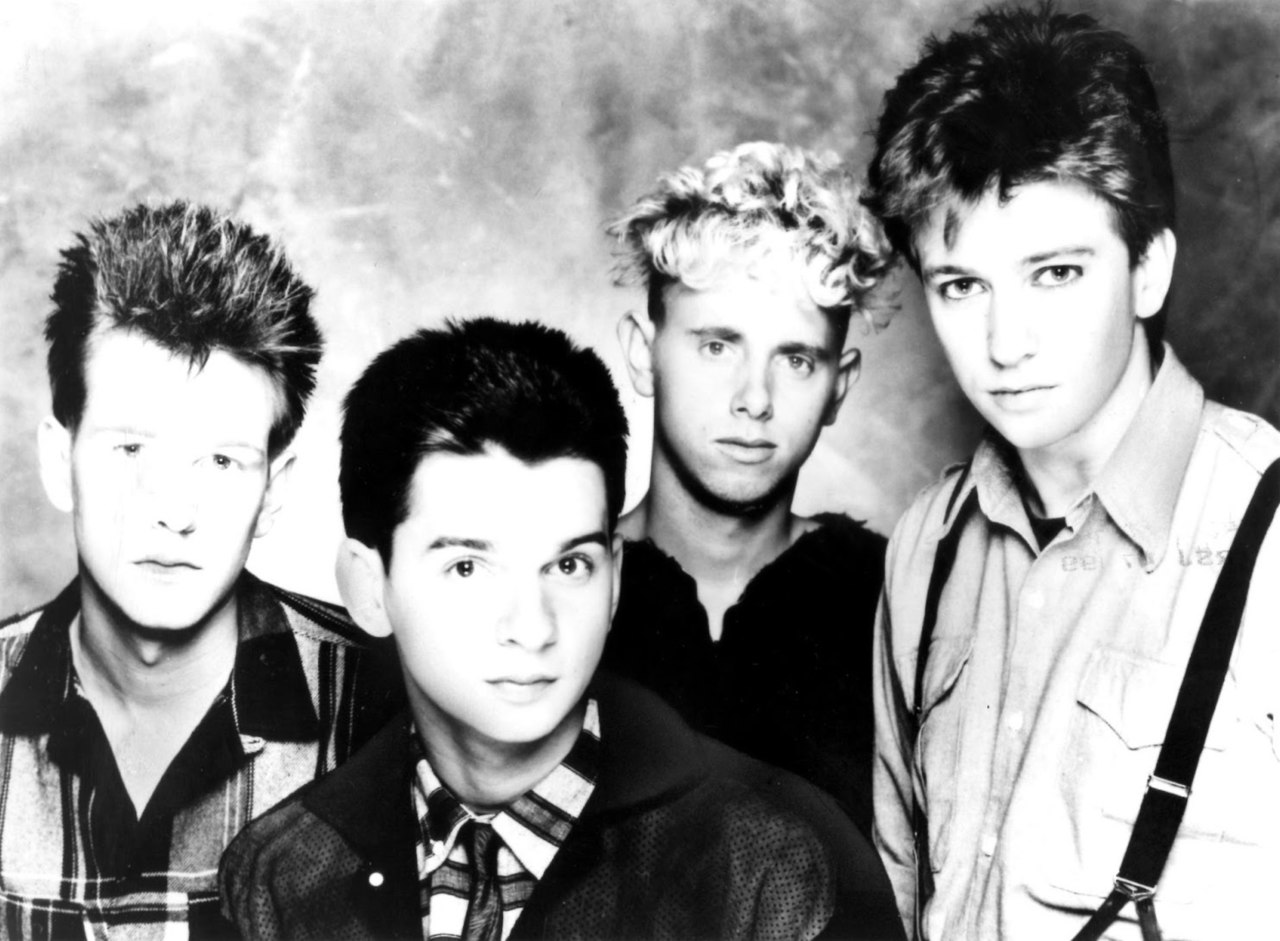


Members and lineup
The band's creative core has centered on vocalist Dave Gahan and principal songwriter Martin Gore. The original lineup also included Vince Clarke and Andy Fletcher; Clarke left after the debut album and later formed other projects. Alan Wilder joined later as a key musical arranger and touring member before departing in the mid‑1990s. Andy Fletcher was a long‑time member until his death in 2022. The group has continued to record and tour with Gahan and Gore at the forefront. Band history provides detailed timelines.
Musical style and characteristics
Depeche Mode began with catchy, synth‑based pop but quickly explored deeper textures: layered synthesizers, sampling, sequenced rhythms, and emotionally charged lyrics addressing desire, faith, alienation and politics. Their sound evolved through experimentation with darker tones, live instrumentation, and production approaches that borrowed from alternative rock and industrial music. The result is a distinctive combination of danceable electronics and brooding atmosphere. Musical influences and production notes outline this development.
Key recordings and songs
Several albums and singles have defined their career and widened their audience. Notable records include:
- Speak & Spell (early synth-pop era)
- Black Celebration and Music for the Masses (artistic maturation)
- Violator (broader international breakthrough)
- Songs of Faith and Devotion and subsequent releases that expanded their palette
Popular singles such as "Just Can't Get Enough," "People Are People," "Personal Jesus" and "Enjoy the Silence" remain staples of their catalogue and of alternative and electronic playlists worldwide.
Live performance and legacy
Depeche Mode are known for ambitious stadium tours that emphasize visual design, strong setlists mixing hits and deep cuts, and a devoted global fanbase. Their influence extends to electronic, alternative and pop musicians who cite the band's production approaches and songwriting as formative. In recognition of their career, the band was inducted into the Rock and Roll Hall of Fame in 2020 and continues to be cited in discussions of modern electronic music and live performance practice. Honors and awards.
Why they matter
Beyond record sales and chart success, Depeche Mode played a central role in demonstrating how electronic instrumentation could carry serious songwriting and dramatic live shows. Their work bridged club culture and stadium rock, influencing production standards and the aesthetics of numerous artists across genres. For listeners and musicians alike, they represent a sustained example of innovation within popular music. For further reading, see discographies and retrospectives at critical sources.
Related articles
Author
AlegsaOnline.com Depeche Mode: English electronic band and cultural influence Leandro Alegsa
URL: https://en.alegsaonline.com/art/26689