
Basildon, Essex
Basildon is a large post‑war new town in Essex, England, developed after WWII to relieve London. It is a mixed residential, commercial and light‑industrial centre with over 100,000 residents.
Overview
Basildon is a large town in the county of Essex, England. Historically small in the early 20th century, the settlement was transformed after the Second World War into one of the country's designated new towns. Population grew from a few thousand before expansion to more than 100,000 people in the wider area today. The town functions as a suburban centre serving housing, retail and regional services.
Image gallery
10 Images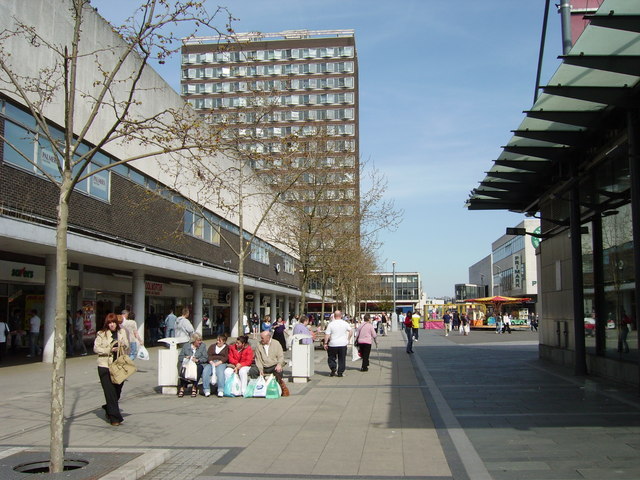



History and development
Following wartime housing shortages and plans to relocate people from central London, Basildon was selected for planned growth in the late 1940s. Its expansion followed mid‑20th century town‑planning principles, with new residential estates, civic buildings and shopping areas constructed to meet the needs of an expanding population. Over decades the original layout has been altered by redevelopment, but the post‑war origins remain visible in its road patterns and community facilities.
Layout, economy and transport
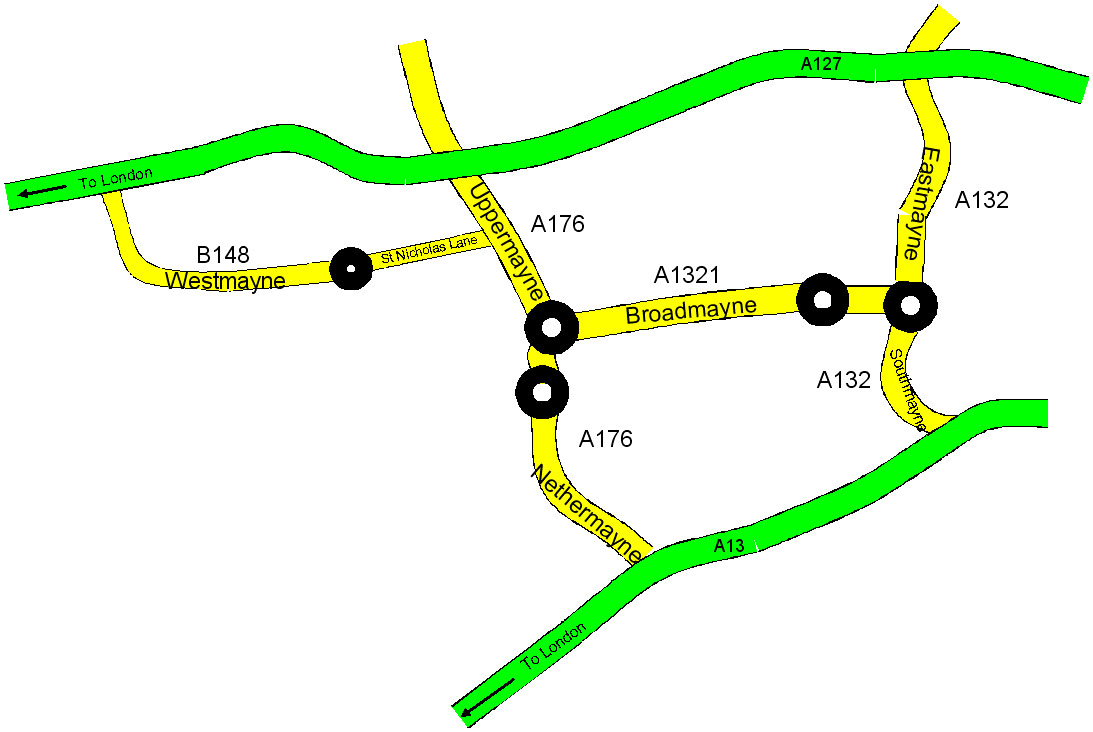
The town combines residential neighbourhoods with commercial and light industrial zones. Key local services include hospitals, schools and leisure provision that serve surrounding communities. Transport links connect Basildon to London and to other parts of Essex: regional roads and rail services provide commuter access, while local public transport links neighborhoods to the town centre.
Culture, amenities and examples
Basildon’s town centre contains retail, dining and cultural venues that act as focal points for the borough. There are parks, community centres and theatres that host local events, and leisure complexes that draw visitors from nearby towns. The town’s housing ranges from post‑war council estates to more recent private developments, reflecting successive phases of urban change.
Notable facts and distinctions
- Designated a post‑war new town to absorb London overspill, which strongly shaped its identity.
- Today it is a mixed economy hub combining retail, health services and light industry.
- In public discourse Basildon is sometimes cited as a representation of suburban voting patterns and social change.
For more detailed administrative, demographic or transport information consult local planning resources and regional guides.
Tags
Related articles
Author
AlegsaOnline.com Basildon, Essex Leandro Alegsa
URL: https://en.alegsaonline.com/art/9244
Sources
- basildon.com : "Basildon History Services Information Guide"