
Denial of the Armenian Genocide: definitions, forms, and consequences
Overview of the denial of the Armenian Genocide, its historical context, typical arguments and tactics, scholarly consensus, legal responses, and political consequences.
Overview
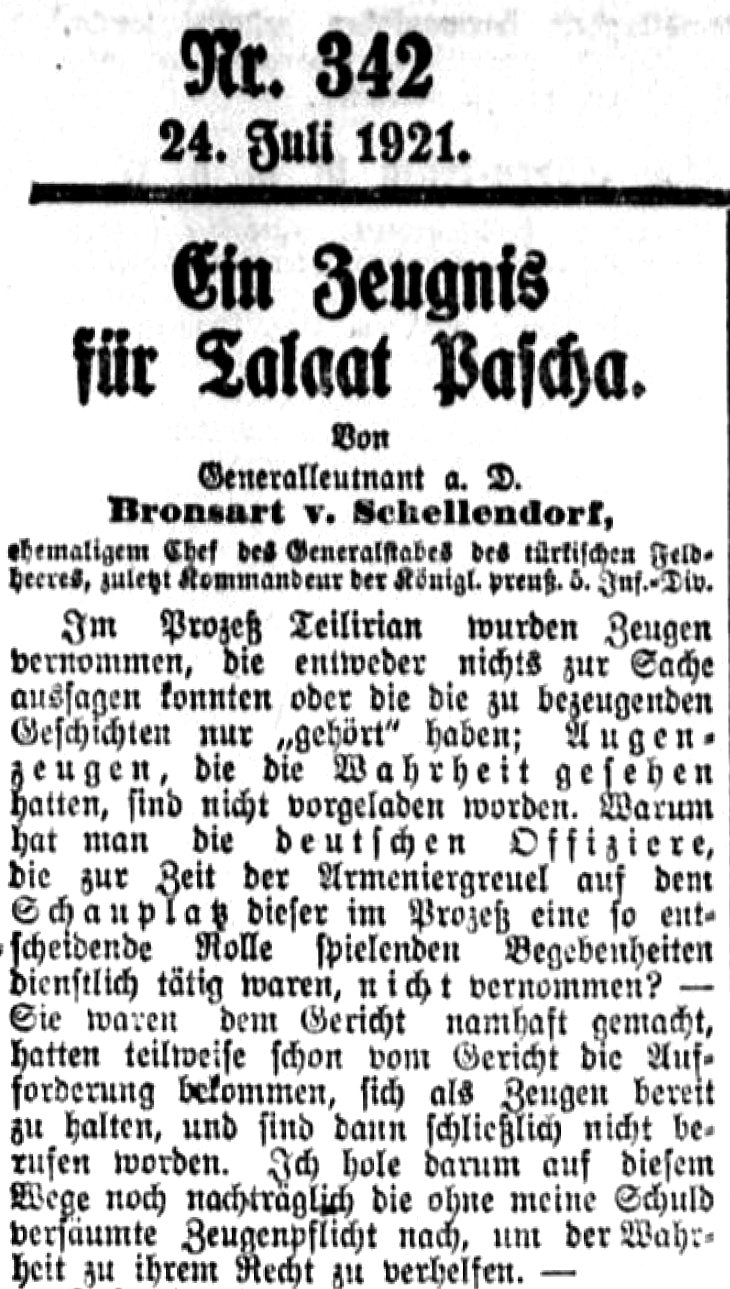
Denial of the Armenian Genocide refers to efforts to reject, minimize, or reinterpret the mass killings, deportations and other atrocities that affected Ottoman Armenians during and after World War I. The term covers a spectrum of positions—from arguing that the events did not occur at all, to acknowledging large losses but denying that they constitute genocide under the legal or historical definitions of that word. For a general explanation of the legal term, see genocide.
Image gallery
10 Images




Historical context
Between 1915 and the early 1920s, populations of Armenian Christians in the late Ottoman Empire suffered mass deportations, forced marches, massacres and other violent measures that removed them from many historic communities. These events took place in the territory of the former Ottoman Empire and during the political upheavals that accompanied the empire’s collapse and the emergence of the Republic of Turkey. Scholars examine wartime conditions, state directives, local actions and refugee accounts to assess intent, scale and context.
Common themes and tactics of denial
Denial takes many forms and is pursued by individuals, interest groups, and some governments. Typical approaches include:
- Asserting that casualties were solely the result of war, famine, disease, or intercommunal conflict rather than a coordinated policy to destroy a group.
- Questioning casualty figures or casting doubt on the reliability of sources and testimonies.
- Reframing the events as mutual suffering or as part of population exchanges and civil conflict.
- Legal and diplomatic measures such as contesting recognitions, lobbying foreign governments, and seeking laws that criminalize certain terminology.
Denial narratives sometimes target Armenian communities and institutions by disputing survivor testimony or archival evidence. These tactics can overlap with legitimate historical debate, but when they intentionally misrepresent records they function as denial.
Scholarly consensus and contested claims
A large majority of historians and genocide scholars conclude that Ottoman authorities implemented policies that led to the deaths of very large numbers of Armenians and that, given available evidence, these actions meet widely used definitions of genocide. Nonetheless, official positions vary: some states and organizations formally recognize the events as genocide, while other governments maintain different descriptions for political or legal reasons. For example, the policies of the United States toward official recognition have changed over time and feature debates within and between branches of government (United States context), and the Republic of Turkey maintains a long-standing rejection of the genocide label (Republic of Turkey).
Legal, political, and social consequences
Denial affects memory, justice, and international relations. It can impede reconciliation, complicate diplomatic ties, and influence education and public discourse. Some countries have enacted laws that criminalize denial of recognized genocides; others defend broader free-speech protections that allow critical discussion. Distinctions among denial, historical revisionism, and legitimate scholarly inquiry are important: careful scholarship reassesses evidence and interpretation, while denial often involves selective use of sources and rhetorical strategies designed to obscure or dismiss established facts.
Notable facts and continuing debates
- Research draws on survivor testimony, diplomatic records, military archives, and demographic studies; debates focus on questions of intent, responsibility, and terminology.
- Recognition campaigns and counter-campaigns make the subject politically charged beyond academic circles, affecting diasporas and international law discussions.
- Understanding the difference between legal definitions, historical assessments, and political positions helps clarify why disagreement persists and why many scholars stress evidence-based analysis over partisan claims.
For further reading on the legal concept and broader comparative studies, consult general resources on genocide and mass atrocity studies as starting points (genocide, Ottoman history).
Questions and answers
Q: What is denial of the Armenian Genocide?
A: Denial of the Armenian Genocide is the claim that the Armenian Genocide either did not occur or that what happened was not genocide.
Q: When did the Ottoman/Kemalist government try to get rid of some Armenian people in the Empire?
A: The Ottoman/Kemalist government tried to get rid of some Armenian people in the Empire between 1915-1923.
Q: How did the Ottoman/Kemalist government try to get rid of some Armenian people?
A: The Ottoman/Kemalist government tried to get rid of some Armenian people by killing between 800,000 and 1,800,000 Armenian people and making many others leave their homes through relocation.
Q: What is relocation in the context of the Armenian Genocide?
A: Relocation in the context of the Armenian Genocide refers to the act of making Armenians leave their homes.
Q: What do people who deny the Armenian Genocide claim?
A: People who deny the Armenian Genocide claim that these things partially or never happened. They also claim that the Ottoman government never tried to commit genocide against the Armenian people in an organized way.
Q: Which two countries do not accept that the Ottoman government tried to get rid of all the Armenian people in the Empire?
A: The United States of America and the Republic of Turkey do not accept that the Ottoman government tried to get rid of all the Armenian people in the Empire.
Q: How many Armenian people were killed during the Armenian genocide?
A: Between 800,000 and 1,800,000 Armenian people were killed during the Armenian genocide.
Related articles
Author
AlegsaOnline.com Denial of the Armenian Genocide: definitions, forms, and consequences Leandro Alegsa
URL: https://en.alegsaonline.com/art/26571
Sources
- cnn.com : "8 facts about the Armenian genocide 100 years ago - CNN.com"
- huffingtonpost.com : "100 Years Ago, 1.5 Million Armenians Were Systematically Killed. Today, It's Still Not A 'Genocide.'"
- news.bbc.co.uk : "Q&A Armenian 'genocide'"
- swissinfo.org : "Turkish politician fined over genocide denial"
- washingtonpost.com : "In Turkey, a Clash of Nationalism and History"
- financialmirror.com : financialmirror.com
- news.pseka.net : news.pseka.net/index.php?module=article&id=6444