
Dhulbahante Garaadship: traditional monarchy of the Dhulbahante clan
The Dhulbahante garaadship was the traditional chieftaincy of the Dhulbahante (a Darod clan). It developed from the early modern period and was largely superseded by the Dervish (Darwiish) movement around 1899.
Overview
The Dhulbahante garaadship was the customary political institution of the Dhulbahante, a sub‑clan of the Darod family in the Horn of Africa. Rooted in the clan‑based governance of Somali pastoral societies, the garaadship combined hereditary leadership with selection by elders and broad popular recognition. Its origins are commonly traced back to the early modern period (often dated in local traditions to the 16th century), and it remained a central authority for Dhulbahante affairs until the turn of the 20th century when wider regional movements and colonial pressures altered local power structures.
Image gallery
2 Images
Structure and roles
Garaad (literally a chieftain or traditional ruler) functioned as the political, judicial and military head of the clan. The office typically passed within a recognised lineage, but succession could involve consultation or election by elders and leading households. The garaad mediated internal disputes, negotiated blood compensation (diya), administered customary law, organized collective defence, and represented the clan in dealings with neighbouring groups and outside powers.
History and major developments
Over centuries the garaadship adapted to shifting economic and political conditions in the region of present‑day northern Somalia and adjacent areas. By the late 19th century the rise of the Dervish movement under Sayyid Maxamed Cabdulle Xasan (the Sayid) changed the balance of authority. In 1899 the Dervish polity consolidated support among many Dhulbahante segments, and the formal role of the garaadship was in practice subordinated within the broader Dervish organisation, even where traditional titles continued to be used.
Notable succession and internal contests
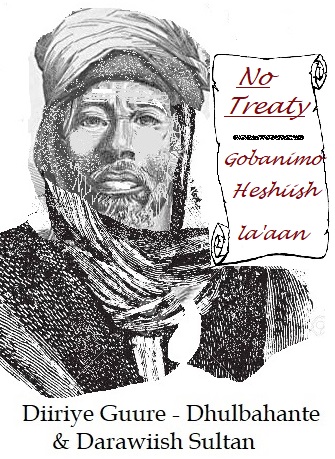
Local accounts record episodes of schism and unusual accessions. One noted leader, Diiriye Guure, is described in oral history as the first Dhulbahante ruler to be chosen through a broadly consultative process and to adopt the title of sultan. By aligning with the Sayid he accepted a position that was in practice subordinate to the Dervish leadership. Traditions also mention a previous long‑running division between rival lineages, sometimes associated with figures named Ali (rendered in some sources as Ali Harran or Ali Xaram) and Garaad Ali III; Diiriye Guure is credited with healing that rift decades later. Another figure, Aar Dheel, is cited in clan memory as an example of someone who reached the throne despite falling outside the main hereditary line.
Decline and legacy
The combined impact of the Dervish campaigns, colonial interventions by the British and others, and later political changes eroded the autonomous power of many traditional rulers. Nevertheless the garaadship remains significant in Dhulbahante social memory and contemporary identity. Garaads continue to serve as customary leaders and mediators on issues such as clan reconciliation, land and pastoral rights, and local dispute resolution; their moral authority persists even where formal state institutions now exist.
Notable figures
- Diiriye Guure — prominent late 19th‑century leader associated with adopting the title “sultan” and aligning with the Dervish movement.
- Garaad Ali III — a named predecessor in oral tradition linked to earlier succession disputes.
- Aar Dheel — remembered as an exception who ascended the garaadship outside strict hereditary succession.
Related articles
Author
AlegsaOnline.com Dhulbahante Garaadship: traditional monarchy of the Dhulbahante clan Leandro Alegsa
URL: https://en.alegsaonline.com/art/27063