
Denmark–Norway (1536–1814): the dual monarchy of Scandinavia
A unified kingdom under a single monarch from 1536 to 1814 that combined Denmark and Norway with shared institutions, colonies, and a Copenhagen-centered administration.
Overview
The Kingdom of Denmark–Norway was a dual monarchy that linked the realms of Denmark and Norway under a single crown. Its formation followed the end of the medieval Kalmar Union and it is conventionally dated from 1536 until its dissolution in 1814. The two kingdoms shared a monarch, centralized government institutions and a common capital at Copenhagen, while some Norwegian institutions and local laws continued to exist in varying degrees.
Image gallery
7 Images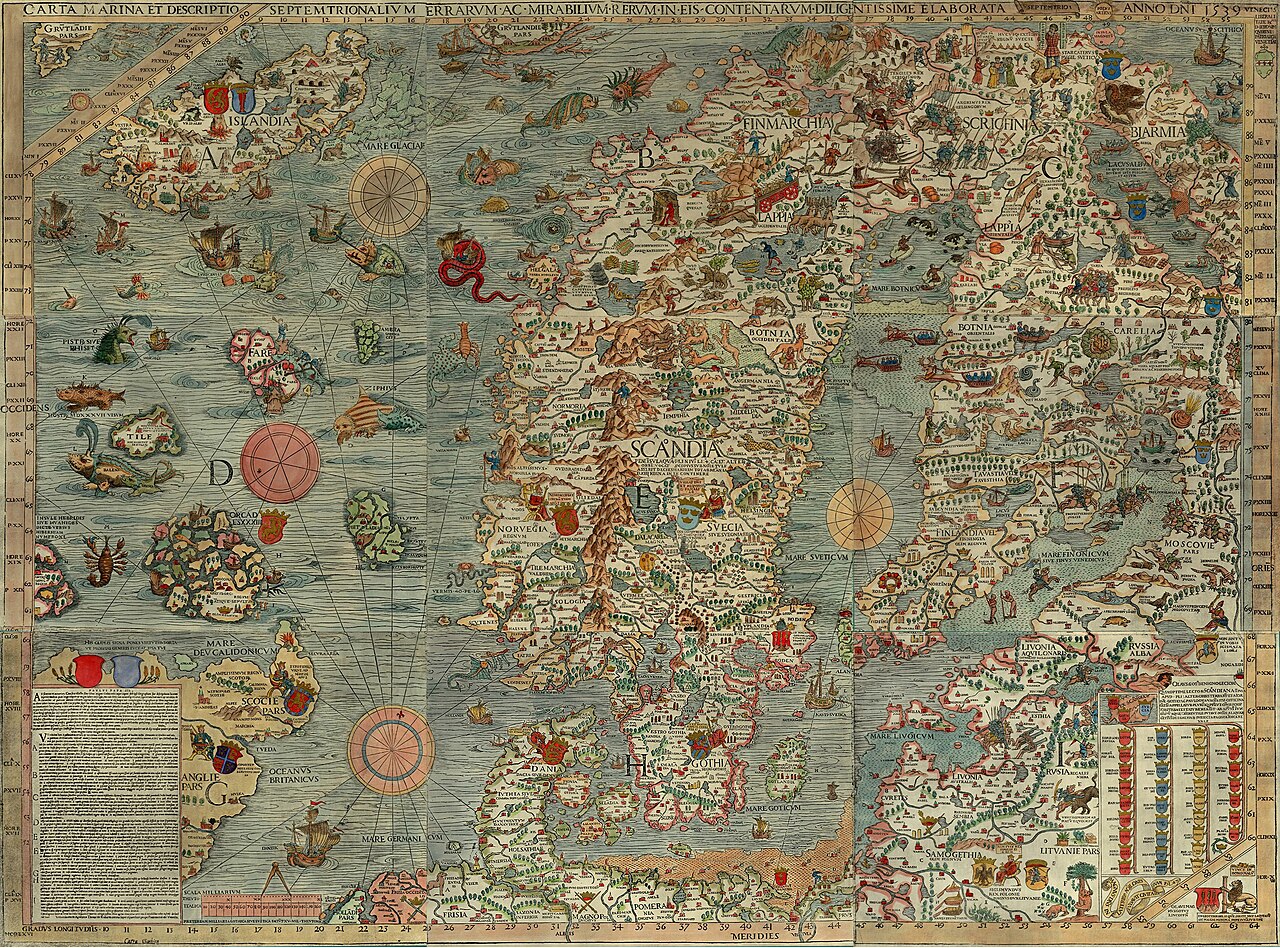


Government and institutions
The union operated as a composite monarchy rather than a single unitary state. Executive power resided with the king and his Copenhagen-based administration. The realm maintained a single foreign policy and common economic regulations in many areas, and it fielded a combined armed forces. The Lutheran church became the state church after the Reformation, which shaped cultural and legal life across both kingdoms.
Economy, society and maritime role
Denmark–Norway was an important maritime power of northern Europe. Trade, fishing, timber and shipbuilding were central to its economy, and its ports connected Baltic, North Sea and Atlantic routes. Urban elites and a growing bureaucratic class in Copenhagen administered overseas trade and revenue, while rural Norway retained a largely agrarian and coastal fishing economy.
Overseas possessions
The kingdom possessed overseas dependencies and trading stations, which supported commerce and colonial trade. Notable possessions included:
- Greenland and Iceland — North Atlantic territories with long-standing ties to Norway.
- Settlements and forts in Africa, trading posts in India, and sugar-producing colonies in the Caribbean.
History and decline
Across the 17th and 18th centuries the kingdom engaged in Baltic and global rivalries with other European powers. Military setbacks, costly wars and the diplomatic upheavals of the Napoleonic era weakened its position. British naval actions and economic blockade during the early 1800s damaged trade and naval strength. The union was effectively ended by international settlement in 1814, when Norway was transferred to Sweden while Denmark retained its North Atlantic possessions.
Legacy and distinctions
Denmark–Norway left a marked imprint on law, language and administration in Scandinavia. Danish became the administrative written language in Norway for centuries, maritime trade networks expanded, and the colonial holdings influenced overseas cultural and demographic patterns. The period is studied for its role in the rise of state bureaucracy, northern European diplomacy, and the early modern Atlantic economy.
For further reading on related topics, see entries on Denmark, Norway and the earlier Kalmar Union.
Questions and answers
Q: What was the Kingdom of Denmark-Norway?
A: The Kingdom of Denmark-Norway was a union between the two kingdoms Denmark and Norway.
Q: How long did the Kingdom of Denmark-Norway last?
A: The Kingdom of Denmark-Norway lasted from 1536 to 1814.
Q: What was the previous union that Denmark and Norway were in?
A: Denmark and Norway were previously in the Kalmar Union with Sweden.
Q: What was the capital of both Denmark and Norway during the Kingdom of Denmark-Norway?
A: Copenhagen was the capital of both Denmark and Norway during the Kingdom of Denmark-Norway.
Q: Did Denmark-Norway have colonies?
A: Yes, Denmark-Norway possessed colonies in Greenland, Iceland, Africa, the Caribbean and India.
Q: Did Denmark and Norway share the same military during the Kingdom of Denmark-Norway?
A: Yes, Denmark and Norway shared the same military during the Kingdom of Denmark-Norway.
Q: When did the Kingdom of Denmark-Norway end?
A: The Kingdom of Denmark-Norway ended in 1814.
Related articles
Author
AlegsaOnline.com Denmark–Norway (1536–1814): the dual monarchy of Scandinavia Leandro Alegsa
URL: https://en.alegsaonline.com/art/26600
Sources
- regjeringen.no : "A Forerunner to the Norwegian Council of State"
- worldstatesmen.org : "Denmark"
- worldstatesmen.org : "Norway"