
Democratic Republic of Georgia (1918–1921)
Short-lived independent Georgian republic (1918–1921) formed after the Transcaucasian Federation's collapse; Menshevik-led, based in Tbilisi, later occupied by Soviet forces and influential in Georgia's democratic tradition.
Overview
The Democratic Republic of Georgia emerged on May 26, 1918, as the first modern independent Georgian state after the disintegration of the Transcaucasian Federation. Centered on Tbilisi, it declared the Georgian people sovereign and made the Georgian language a state language while seeking recognition and support from the international community. Political leadership rested with the Social Democratic (Menshevik) party under figures such as Noe Zhordania. The republic aimed to create a parliamentary, social-democratic state in a region overwhelmed by war, revolution and competing national claims.
Image gallery
10 Images


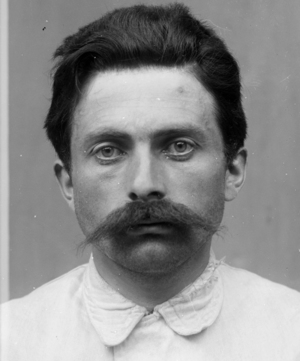
Structure, rights and institutions
The DRG established a multi-party parliament, a cabinet responsible to that legislature, and civil institutions intended to guarantee civic liberties and social protection. It pursued progressive labor and social policies typical of social-democratic governments of the time, including efforts at land reform, workers' protections and expanded political participation. Minority rights and cultural autonomy were addressed in law as the republic tried to accommodate diverse groups living within its borders.
Society, economy and administration
Administratively the republic sought to modernize public services and revive economic life disrupted by war. Agriculture remained the backbone of the economy, supplemented by urban crafts, trade and nascent industry in provincial towns. Educational and cultural initiatives expanded public schooling and supported the Georgian language and national institutions. However, chronic shortages, refugee flows, and limited foreign investment constrained economic recovery.
Foreign relations and military challenges
From its founding the DRG confronted contested frontiers and tense relations with neighboring peoples and emerging states. It negotiated and sometimes clashed with neighboring republics while seeking diplomatic recognition and security guarantees from the Western powers. The newly established Soviet Russian state viewed the existence of a non-Bolshevik Georgia as a political threat, and Bolshevik agitation and border incidents weakened the young republic's position.
Collapse and exile
Under combined pressure from internal unrest and foreign intervention, the republic was unable to withstand the armed advance of Soviet forces in early 1921. The Red Army entered Georgian territory during campaigns that culminated in the fall of the government in February–March 1921. The Soviet takeover transformed Georgia into a Soviet republic. Many members of the government and political émigrés went into exile, forming an émigré community that sought to preserve the idea of an independent and democratic Georgia.
Legacy and historical significance
Although brief, the Democratic Republic of Georgia left a lasting imprint on the country's political memory. Its efforts to build parliamentary government, extend social and civic rights, and promote national culture provided a reference point for later independence movements. Historians and public debates often contrast the republic's democratic aspirations with the subsequent Soviet period. For further reading on the language and cultural policies, the capital and regional affairs, and the military and diplomatic episodes, see linked resources: Georgian language and identity, Georgia, state structures, invasion events and contemporary assessments of Russia and the Red Army role. Additional context on the transformation into a Soviet republic and the international response are provided in historical surveys and archives.
- Founding date: May 26, 1918 (declaration of independence).
- Government form: Parliamentary republic led by the Menshevik party.
- End: Overrun by Soviet forces in early 1921; government went into exile.
The Democratic Republic of Georgia remains an important episode in Caucasian history: a short-lived attempt to reconcile national self-determination with democratic and social-democratic governance amid the upheavals of the post-World War I era.
Related articles
Author
AlegsaOnline.com Democratic Republic of Georgia (1918–1921) Leandro Alegsa
URL: https://en.alegsaonline.com/art/26503