
Deltoid muscle
Large triangular shoulder muscle that shapes the shoulder, produced by three heads, enabling arm abduction, flexion, extension and rotation. Important in movement, clinical assessment and injections.
The deltoid is the large, triangular muscle that forms the rounded contour of the lateral shoulder. It overlies the glenohumeral joint and is the most prominent muscle visible on the shoulder. For a general introduction see the deltoid muscle and its relation to the shoulder.
Image gallery
9 Images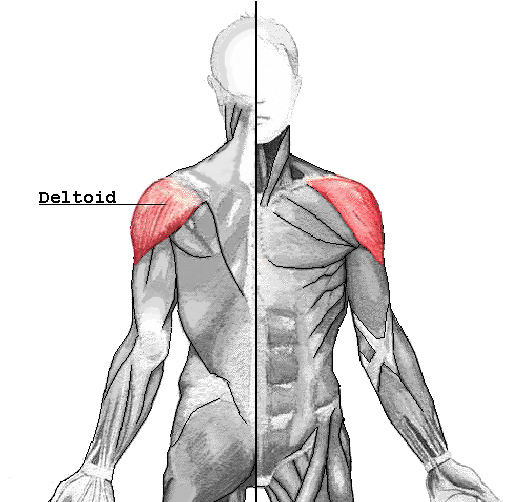



Anatomy and structure
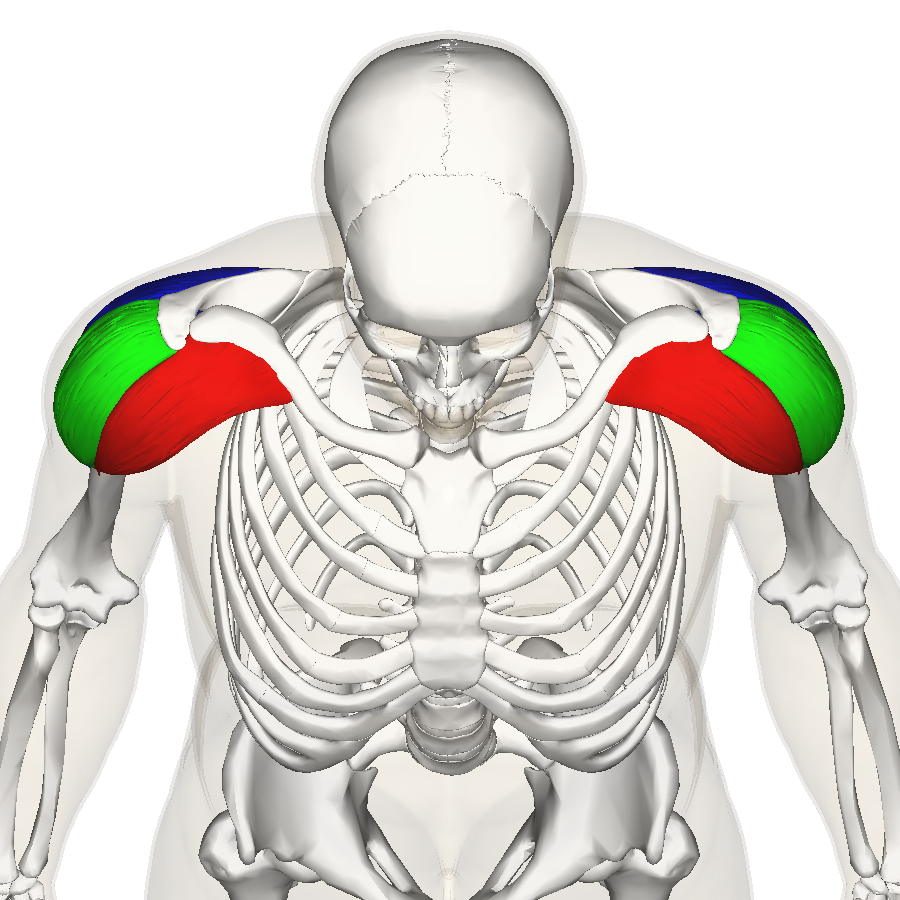
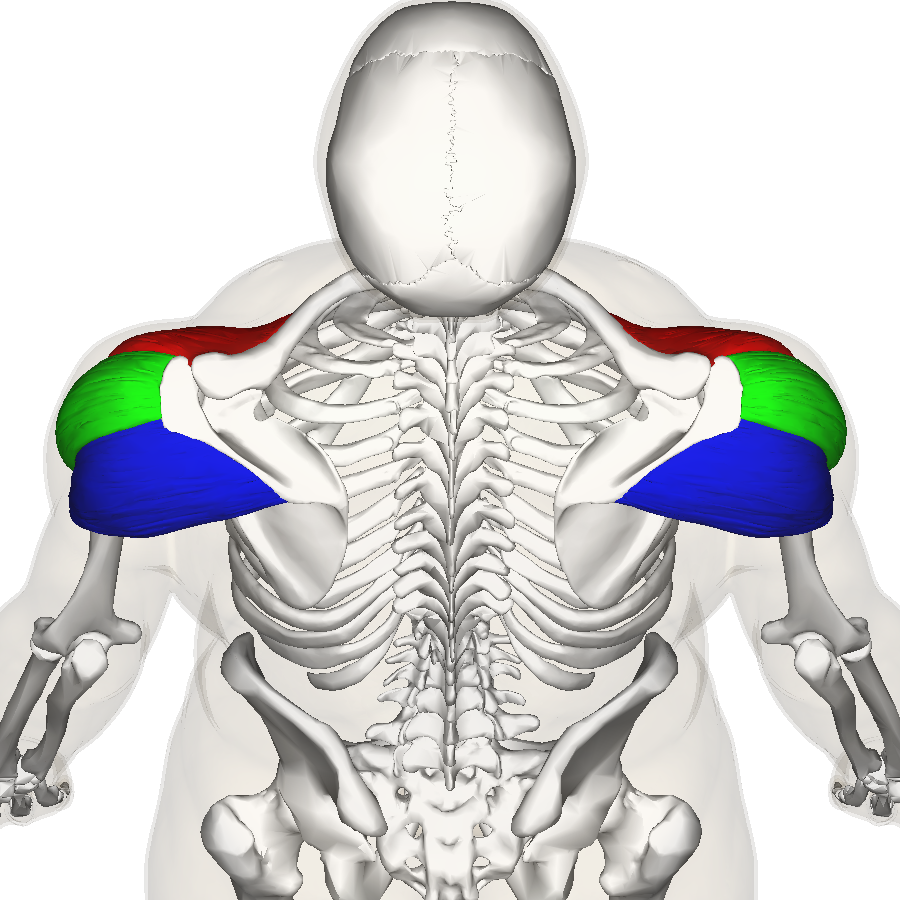
Classically described as having three heads—anterior (clavicular), middle (acromial) and posterior (spinal)—the deltoid originates from the lateral third of the clavicle, the acromion, and the spine of the scapula and inserts on the deltoid tuberosity of the humerus. Its broad attachment and pennate fibers allow it to generate powerful, multi‑directional forces.
Function and coordination
The deltoid contributes primarily to arm abduction above the first 15 degrees, working with the supraspinatus, and also assists in flexion, extension and medial and lateral rotation of the humerus depending on which fibers are active. Electromyography and anatomical studies indicate the muscle can be functionally subdivided into multiple independently coordinated regions, a pattern explored in modern motor control research (electromyography studies).
Innervation and blood supply
- Innervation: axillary nerve (C5–C6 roots).
- Blood supply: primarily the posterior circumflex humeral artery and branches from the thoracoacromial trunk.
Because its nerve and vessels pass close to the surgical neck of the humerus, injuries, fractures or compression can impair deltoid function and shoulder contour.
Clinical and practical notes
The deltoid is a common site for intramuscular injections in adults because of its superficial location, though correct placement and needle depth are important to avoid neurovascular injury. Atrophy or weakness of the deltoid produces a flattened shoulder and reduced abduction and is commonly assessed in neurological and orthopedic exams. Strengthening and rehabilitation often target specific heads with exercises such as front raises, lateral raises and rear delt rows.
Etymology: The name comes from the Greek letter delta (Δ), reflecting its roughly triangular shape.
Related articles
Author
AlegsaOnline.com Deltoid muscle Leandro Alegsa
URL: https://en.alegsaonline.com/art/26453
Sources
- ncbi.nlm.nih.gov : PMID 16458022
- dx.doi.org : 10.1016/j.jelekin.2005.10.007