
Dementia with Lewy bodies (DLB)
Progressive neurodegenerative dementia characterized by Lewy body protein deposits, fluctuating cognition, visual hallucinations, parkinsonism and sleep disturbances; second most common degenerative dementia.
Dementia with Lewy bodies (DLB) is a progressive neurodegenerative disorder marked by cognitive decline combined with characteristic changes in behavior, movement and sleep. It is caused by abnormal protein deposits called Lewy bodies that form inside nerve cells and disrupt brain function. DLB is one of the most common causes of dementia after Alzheimer disease and affects over a million people in the United States.
Image gallery
10 Images


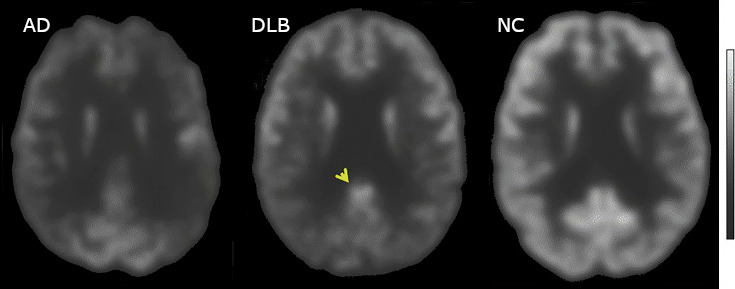


Core clinical features
- Fluctuating cognition: pronounced variations in attention and alertness from hour to hour or day to day.
- Visual hallucinations: well-formed, recurrent visions are common early symptoms.
- Parkinsonism: slowed movement, rigidity and tremor similar to Parkinson disease.
- REM sleep behavior disorder: acting out dreams, often occurring years before other signs.
- Autonomic dysfunction: problems such as orthostatic hypotension, constipation and urinary difficulty.
The disorder is linked to deposits of abnormal proteins known as Lewy bodies; further information about dementia in general is available at this resource. The characteristic inclusions—Lewy bodies—are composed largely of misfolded alpha-synuclein and other proteins; see Lewy bodies and the role of alpha-synuclein in neuron damage.
Diagnosis and investigation
Diagnosis is clinical and supported by imaging and sleep testing. Specialist criteria classify cases as probable or possible DLB based on core and suggestive features. Brain imaging such as dopamine transporter (DAT) SPECT/PET may show reduced striatal uptake; cardiac MIBG scintigraphy and polysomnography for REM sleep behavior disorder can add supportive evidence. Definitive diagnosis remains pathologic, requiring examination of brain tissue for Lewy bodies.
Treatment focuses on symptom management: cholinesterase inhibitors can help cognitive and neuropsychiatric symptoms, levodopa may relieve parkinsonism but can worsen hallucinations, and melatonin or low-dose clonazepam are often used for REM sleep behavior disorder. People with DLB can have severe sensitivity to typical antipsychotic medications and require careful medication selection and close monitoring.
Historically, Lewy bodies were first described in the early 20th century and the clinical concept of DLB has been refined through consensus diagnostic criteria over recent decades. DLB often overlaps clinically and pathologically with Parkinson disease dementia and Alzheimer disease, which makes individualized assessment and multidisciplinary care important for patients and families.
Related articles
Author
AlegsaOnline.com Dementia with Lewy bodies (DLB) Leandro Alegsa
URL: https://en.alegsaonline.com/art/26464